Hormuz on the Brink: Iran Eyes European Targets as Oil Surges and Hegseth Faces Concealment Accusations
How this was made Verified AI
Every Intellegix briefing is generated from that day's broadcast and run through automated checks before it publishes — with a human paged on any flag. Here is the trail for this edition.
Iranian military planners have formally assessed the option of striking U.S. military assets in Bulgaria and Cyprus should the Trump administration escalate its current posture, according to the Financial Times, which cited regime insiders directly. Bulgaria is a full NATO member; Cyprus hosts British sovereign base areas and maintains deep ties to the alliance. Many insiders in Tehran, the FT reported, now view renewed direct conflict with the United States not as a possibility but as an inevitability — a psychological posture that fundamentally changes how risk is calculated.
Simultaneously, the United Arab Emirates has publicly severed trade ties with Tehran, closing what has historically been one of Iran's most critical back-channels for moving goods around Western sanctions. Dubai in particular has served as an informal clearing house for Iranian commerce. The Emirates' decision signals both a firmer alignment with the U.S.-Gulf security architecture and a judgment that Iran's trajectory has become too risky to remain economically entangled with.
Inside Washington, the more politically explosive story may be the accusations against Defense Secretary Pete Hegseth. Sources apparently inside the Pentagon allege that Hegseth suppressed information about Iran destroying a key U.S. military base in Bahrain — a cornerstone of the Fifth Fleet's operational presence in the Persian Gulf. Deliberately concealing a major military setback from the public and Congress is categorically different from the earlier controversies Hegseth has survived, and pressure from Republican hawks in the Senate who care deeply about force protection and military transparency could become impossible to manage if the reporting holds.
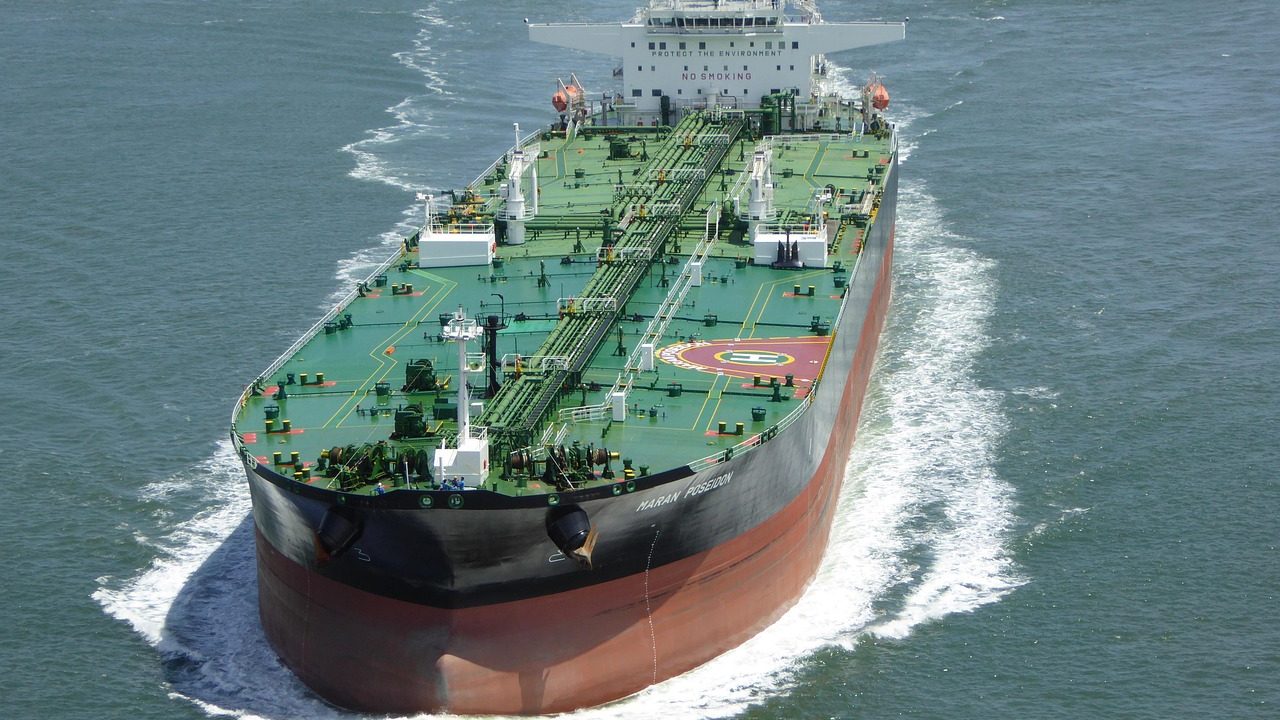
Crude oil rose for a fourth consecutive trading session on the back of the standoff, with S&P futures sitting around 7,715 — suggesting equities markets are not yet panicking but that energy markets are clearly pricing in risk. The Strait of Hormuz handles roughly 20 percent of global oil trade, approximately 17 million barrels per day. Two Chinese supertankers physically reversed course rather than transit the strait, a decision representing millions of dollars in fuel and logistics costs. When operators conclude that transit risk exceeds that cost, the threat assessment has crossed a meaningful threshold. Beijing has historically resisted joining Western sanctions as Tehran's largest oil customer, but those commercial reversals suggest that political solidarity has limits when vessels and cargo are at stake.