NATO's Eastern Air Patrol Has Become a Live Combat Operation
How this was made Verified AI
Every Intellegix briefing is generated from that day's broadcast and run through automated checks before it publishes — with a human paged on any flag. Here is the trail for this edition.
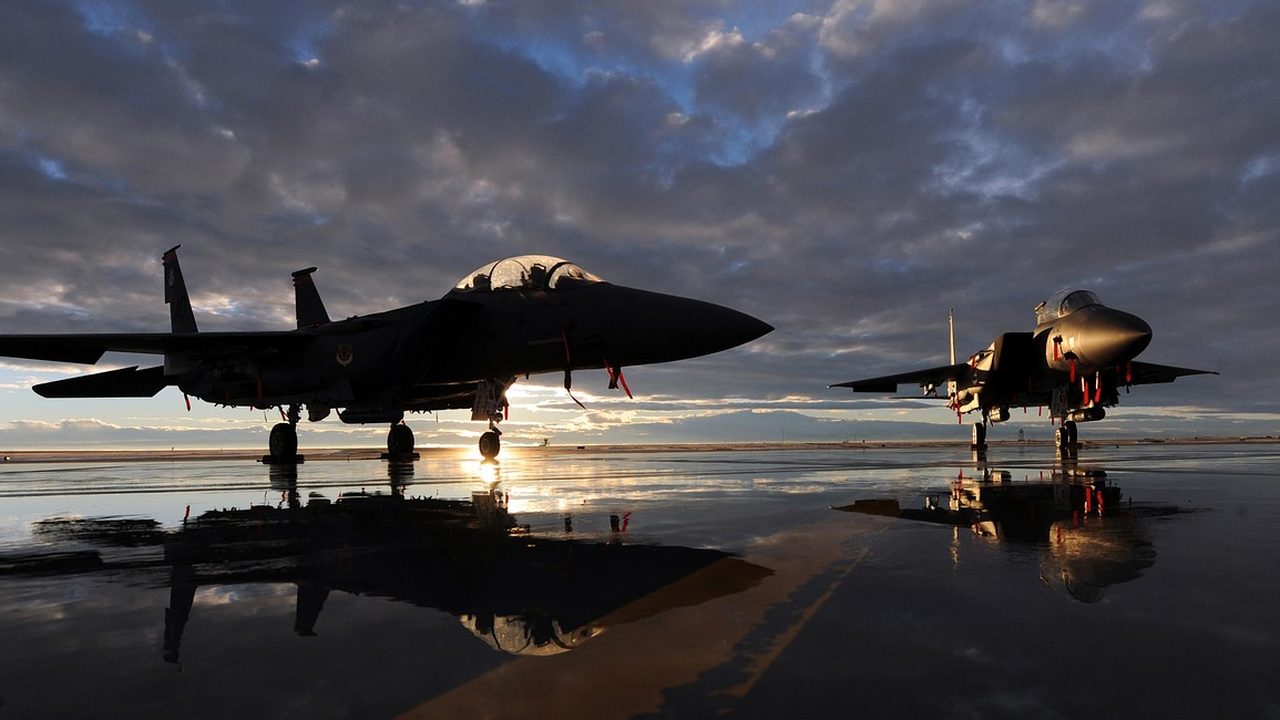
On Sunday morning local time over Galați, Romania, a Spanish F-18 on NATO air patrol detected an unidentified drone that had crossed from Moldovan airspace into Romanian territory. Seventeen minutes later, the drone was debris. The intercept — Romania's fourth of 2026 — signals a quiet but consequential transformation: NATO's air policing mission over Eastern Europe has shifted from deterrence exercise to live combat operation.
Moldova's role gives the incident particular strategic weight. The country is not a NATO member, harbors the Russian-backed breakaway region of Transnistria, and shares a long border with Ukraine. Drones transiting its airspace could be Russian munitions that went off course, loitering weapons that missed Ukrainian targets, or deliberate probes of NATO's eastern response threshold. Four intercepts in under eight months suggests the pattern is not accidental.
The seventeen-minute detection-to-kill timeline reveals how significantly NATO's rules of engagement have evolved. A Spanish pilot on rotation — not a Romanian pilot — engaged a threat in Romanian airspace without waiting for lengthy consultations, indicating the alliance has pre-authorized rules that allow rapid lethal action. Should any intercepted drone carry Russian military markings, or should Moscow publicly acknowledge that its munitions are being shot down over a NATO member state, Brussels would face an Article 5 conversation it is not eager to have.
That vulnerability extends beyond Romania's skies. Lieutenant General Joseph Jarrard, the NORTHCOM deputy commander, stated publicly that the U.S. military lacks sufficient sensors and interceptor weapons to defeat a drone attack originating from inside American borders. The admission reflects a defense architecture designed for Cold War threats — ICBMs, bombers, manned aircraft — that leaves low-altitude drone swarms able to exploit radar gaps and overwhelm expensive kinetic interceptors with cheap, numerous targets.
A defense contractor demonstration witnessed by Bloomberg this week underscored the urgency. Autonomous, AI-powered drones independently identified and attacked a tank target in Maryland without any human control input, operating in coordinated swarms and executing strikes on their own decision cycle. International humanitarian law experts have long warned about the legal concept of 'meaningful human control' over targeting decisions; that concept has never been codified in a binding international instrument, and the Maryland showcase illustrated precisely why the gap matters.