Trump Asks Americans to Absorb Higher Gas Prices as Iran Conflict Deepens
How this was made Verified AI
Every Intellegix briefing is generated from that day's broadcast and run through automated checks before it publishes — with a human paged on any flag. Here is the trail for this edition.
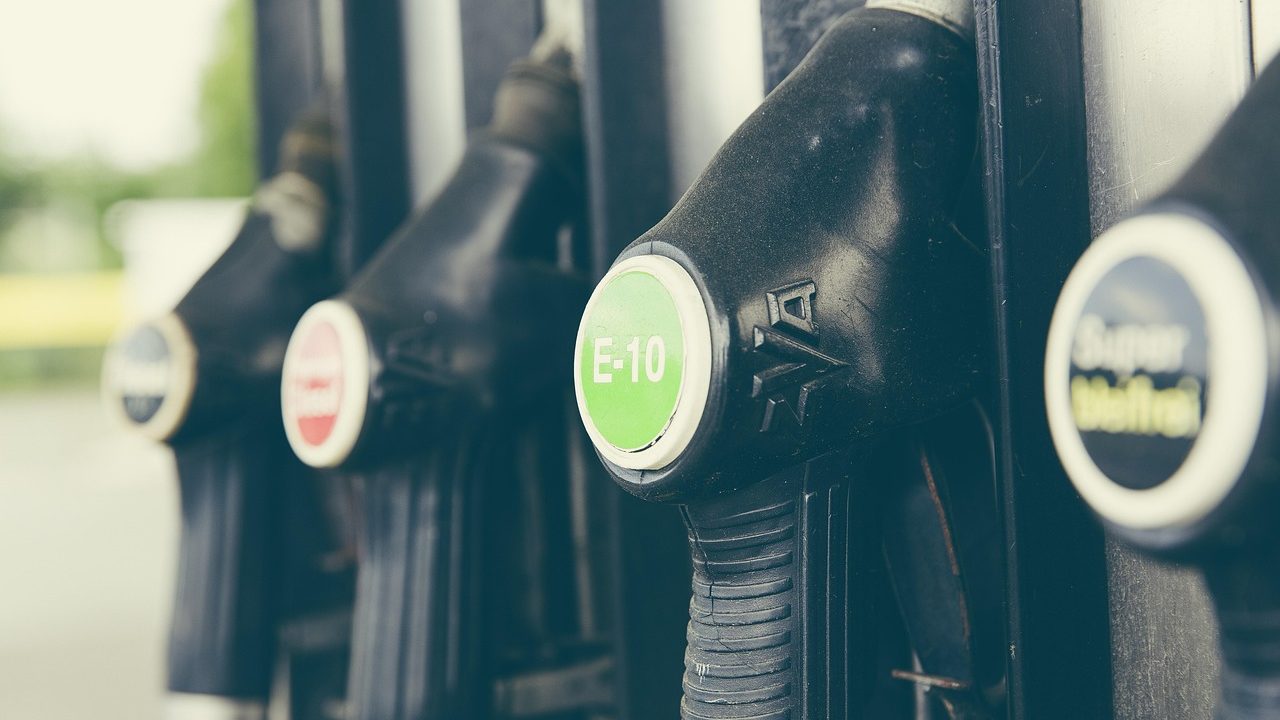
President Trump's public appeal for Americans to accept higher gas prices as the cost of the Iran conflict represented a notable rhetorical departure. For four decades, the standard political playbook either kept gas prices out of foreign policy justification or promised they would fall as a result of military action. Framing elevated prices as a patriotic sacrifice is historically rare and, analysts noted, degrades fairly quickly when the connection between sacrifice and outcome is not clearly visible to the public.
The U.S.-Iran military confrontation has been escalatory in fits and starts since early 2026 but has not involved a full ground engagement or naval blockade of the Strait of Hormuz — the scenario that would most severely shock global oil markets. A CSIS analysis characterized Iranian-linked water infrastructure cyberattacks as 'opportunistic' rather than 'escalatory,' suggesting Iran's current posture is about demonstrating capability and applying pressure rather than forcing a decisive negotiation.
That distinction matters for energy markets, but only up to a point. Physical oil infrastructure — pipelines, terminals, refineries — is increasingly exposed to cyber intrusion, and Iran has demonstrated technical capacity to probe those systems. If the conflict's calculus shifts from opportunistic probing to targeted action, the economic consequences could arrive through a vector that produces market disruption without involving a conventional military strike.
The domestic political arithmetic compounds the pressure. Trump campaigned on energy dominance and low prices, and the American public has historically punished incumbent parties for sustained pain at the pump. The administration's simultaneous instruction to Apple not to purchase Chinese memory chips adds a further inflationary dimension: companies absorbing higher component costs from alternative suppliers and consumers absorbing higher energy costs represent compounding pressures heading into the fall.
The $432 billion July deficit — cited by DeSantis as proof of DOGE's failure — is not disconnected from these dynamics. Defense spending escalations, energy subsidies, and supply chain restructuring incentives all appear in the federal budget, and the arithmetic of offsetting those costs with efficiency savings was, observers noted, always suspect. The July figure made the tension undeniable.