Pyongyang's Choreographed Provocation — and the Weapons Gap Behind It
How this was made Verified AI
Every Intellegix briefing is generated from that day's broadcast and run through automated checks before it publishes — with a human paged on any flag. Here is the trail for this edition.
North Korea's missile launch from the Wonsan area on Wednesday arrived precisely one day after Kim Yo Jong issued a specific threat about 'additional military options' against Japan over its defense buildup — a sequence that analysts described as deliberate choreography rather than opportunistic provocation. The trigger was Japan's first test of US-supplied Tomahawk cruise missiles, an offensive strike weapon with a range of roughly 1,000 miles that represents a historic departure from Japan's pacifist constitutional posture. From Pyongyang's perspective, the Tomahawk is a first-strike capability pointed at its leadership.
The regional security picture has grown markedly more complex. Japan's defense budget has nearly doubled since 2022, moving toward 2 percent of GDP, while South Korea is expanding its 'Kill Chain' preemptive strike doctrine. The peninsula is, by most assessments, genuinely rearming — and North Korea's launch was its announcement that it is watching.
Underneath the Korea story runs a more operationally significant development in Washington: a crisis meeting at the Pentagon following a reported angry call from President Trump over weapons shortfalls. The US military is simultaneously managing deterrence commitments in Europe, the Pacific, the Middle East — following Iran's strikes on Gulf smelters last month — and the Korean Peninsula, and the shelves are reportedly not fully stocked. Zelenskyy's statement that allied missile deliveries to Ukraine have fallen to one-third of previous levels is one symptom of that same supply problem; Pentagon war games had reportedly already flagged the aluminum supply chain vulnerability — critical for missile casings and aircraft components — before the Gulf smelter strikes made it real.
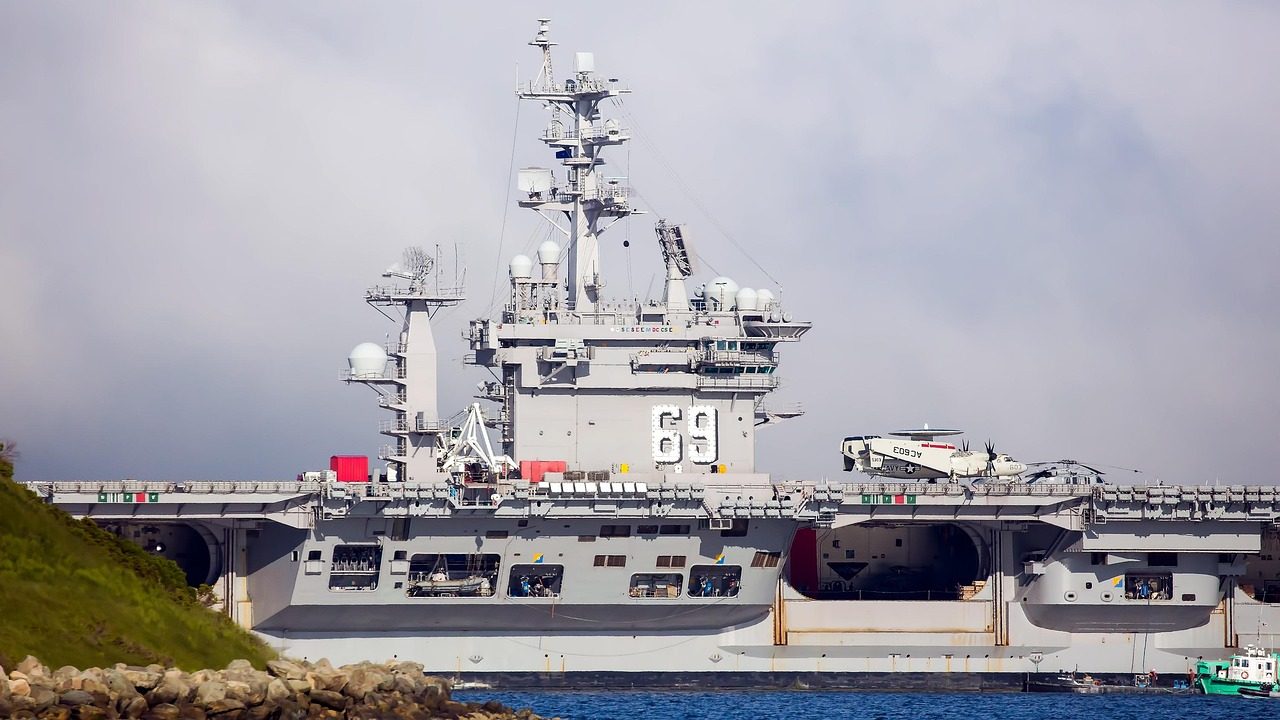
The Congressional Budget Office released a $275 billion price tag for Trump's Golden Fleet naval expansion program, which envisions building up to 355 battle-force ships, potentially including a new generation of nuclear-powered surface combatants. The CBO estimate underscored that the timeline for fielding those ships runs decades into the future, offering no relief for the near-term inventory gap.
Secretary Hegseth is managing this while also fielding public criticism from Tucker Carlson over the Iran conflict. Whether projecting external confidence is sustainable given actual inventory numbers remains, in the words of those tracking the situation, an open question.