Bombs and Diplomacy: The U.S. and Israel Are Now in Direct Conflict With Iran
How this was made Verified AI
Every Intellegix briefing is generated from that day's broadcast and run through automated checks before it publishes — with a human paged on any flag. Here is the trail for this edition.
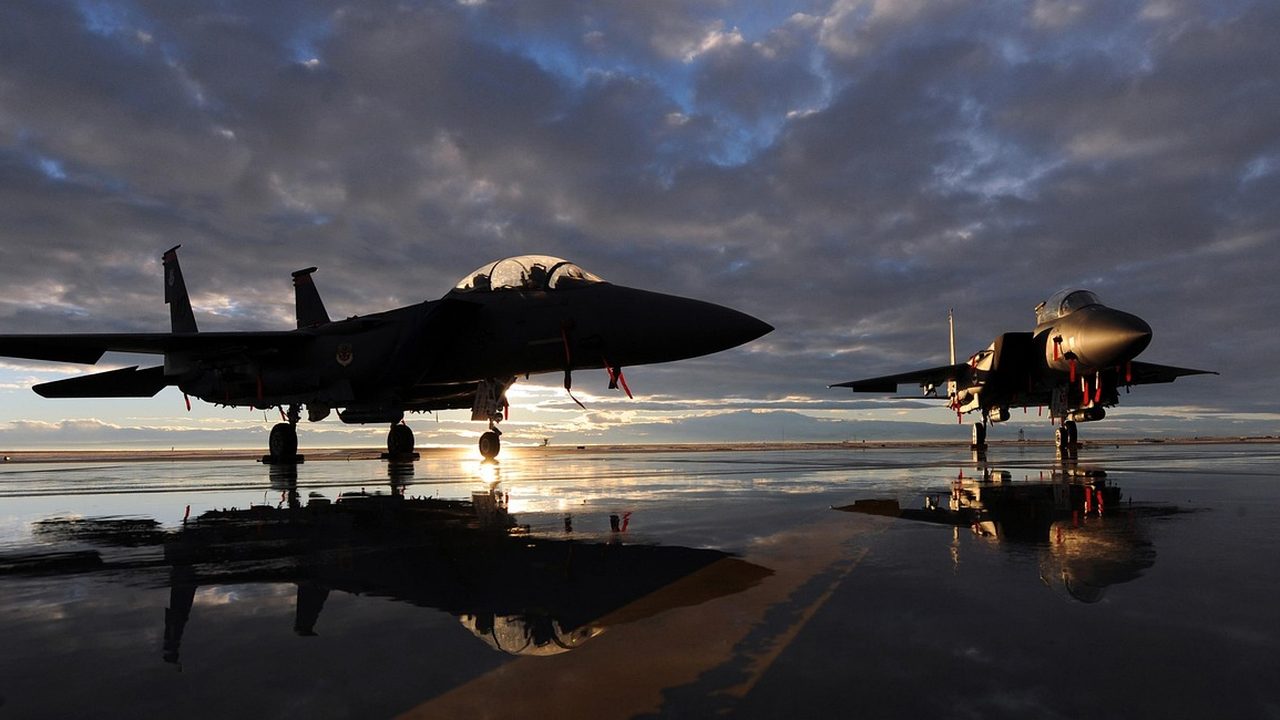
The Middle East tipped into a new and more dangerous phase this week as the United States and Israel moved from supporting each other's operations against Iran to conducting them jointly and openly. Israeli Defense Minister Katz confirmed that U.S. warplanes used Israeli bases to strike Iran — closing off any American deniability and marking a categorically different level of commitment than backing an ally from a distance.
Overnight, Israel struck again, hitting two Iranian nuclear facilities, steel plants, and a power plant. Tehran immediately threatened retaliation. The strikes arrive against a disorienting diplomatic backdrop: U.S. and Iranian negotiators are nominally still engaged in nuclear talks, meaning bombs and diplomacy are running simultaneously on parallel tracks, each undermining the other.
President Trump separately threatened to strike Pickaxe Mountain, a known hardened Iranian nuclear facility, and warned against Iran's energy grid as the U.S. reimposed a naval blockade. An attack on Iran's aging power infrastructure, analysts note, would affect approximately 88 million civilians before it reached the Revolutionary Guard.
The conflict has spread beyond the battlefield. An outlet linked to Iran's Revolutionary Guard released video targeting Melania and Barron Trump by name — framing that U.S. law enforcement treats as a domestic terror threat rather than conventional military signaling. Iran is simultaneously fighting through conventional strikes, nuclear diplomacy, information warfare, and direct psychological pressure on the American president. Meanwhile, the U.S. and Saudi Arabia launched joint strikes on Iran-backed militias in Iraq after Iran fired ballistic missiles at a U.S. base in Jordan, which CENTCOM said it fully intercepted.
Iran formally indicted Donald Trump for the killing of Ayatollah Khamenei on charges carrying the death penalty under Iranian law. While Tehran cannot enforce the indictment, it functions as a signaling document: the Iranian government considers Khamenei's death a direct result of American action and frames Trump personally as responsible — setting a rhetorical floor for any future negotiation. An Economist/YouGov poll showing 49 percent of Americans support enforcing the ICC warrant against Israeli Prime Minister Netanyahu adds a domestic political constraint to an already volatile equation.