Anduril's Fury Drone Rolls Off an Ohio Line in 557 Days; SpaceX Shares Sit 51% Off Peak
How this was made Verified AI
Every Intellegix briefing is generated from that day's broadcast and run through automated checks before it publishes — with a human paged on any flag. Here is the trail for this edition.
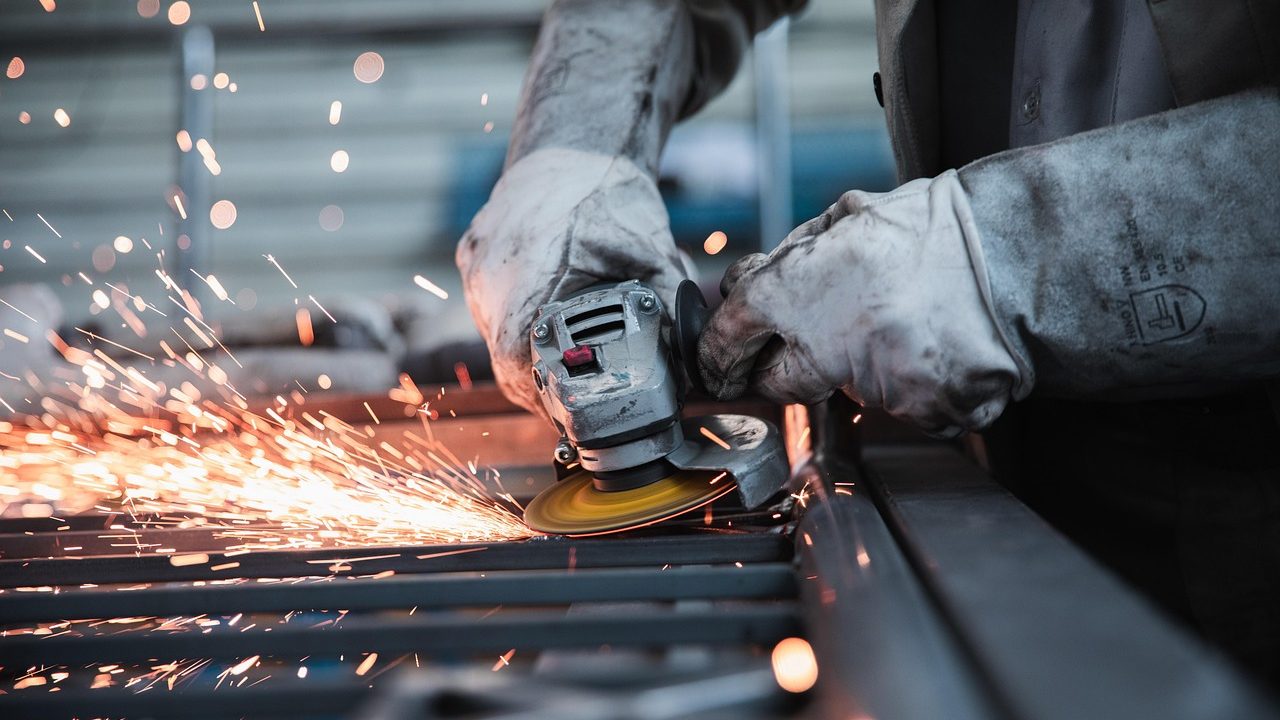
Five hundred and fifty-seven days after Anduril announced plans for its Arsenal-1 facility in Pickaway County, Ohio, the first production Fury autonomous combat aircraft emerged from the factory floor. For comparison, the F-35 program required eleven years from initial concept to first flight. The Fury is designed as a 'loyal wingman' — an autonomous aircraft intended to fly alongside manned fighters, absorb enemy fire, or execute missions that would put human pilots at risk. That it rolled off a line in Ohio, built by a company founded in 2017, rather than at a legacy contractor's facility, marks a geographic and cultural shift in the American defense industrial base.
SpaceX's financial picture presents a starker contrast. Shares of the private-market darling have fallen 51 percent from their mid-June peak, wiping out well over $150 billion in paper value from what had been a $300-plus billion valuation. Short sellers are reported to be accumulating positions ahead of a significant lock-up expiration in early August, when early employees and investors will be legally permitted to sell shares for the first time — a transition that historically creates documented selling pressure.
On the scientific side, the joint NASA-ISRO NISAR Earth observation satellite revealed that earthquakes in Venezuela shifted the ground surface by two feet in certain areas — a measurement made possible by the satellite's synthetic aperture radar, which can detect millimeter-level surface deformation from orbit. The Venezuelan data connects to a separate oversight question: the Trump administration acknowledged collecting what the president described as $13 billion in Venezuelan oil revenues, while providing vague answers about where those funds ultimately flowed — a question Congress is now actively pursuing.
Looking further ahead, the Trump administration announced it is building a 24-nation alliance focused on 6G telecommunications standards, framed explicitly as a counter to China's infrastructure ambitions. Commercial 6G deployment remains at least a decade away, but the standards bodies and spectrum allocation processes shaping the technology are active now. China's influence over 5G standards, channeled through Huawei and ZTE participation in technical working groups, demonstrated the strategic value of having engineers in the room when definitions are being written.