Markets Hold Their Breath Before Wednesday's Fed Decision
How this was made Verified AI
Every Intellegix briefing is generated from that day's broadcast and run through automated checks before it publishes — with a human paged on any flag. Here is the trail for this edition.
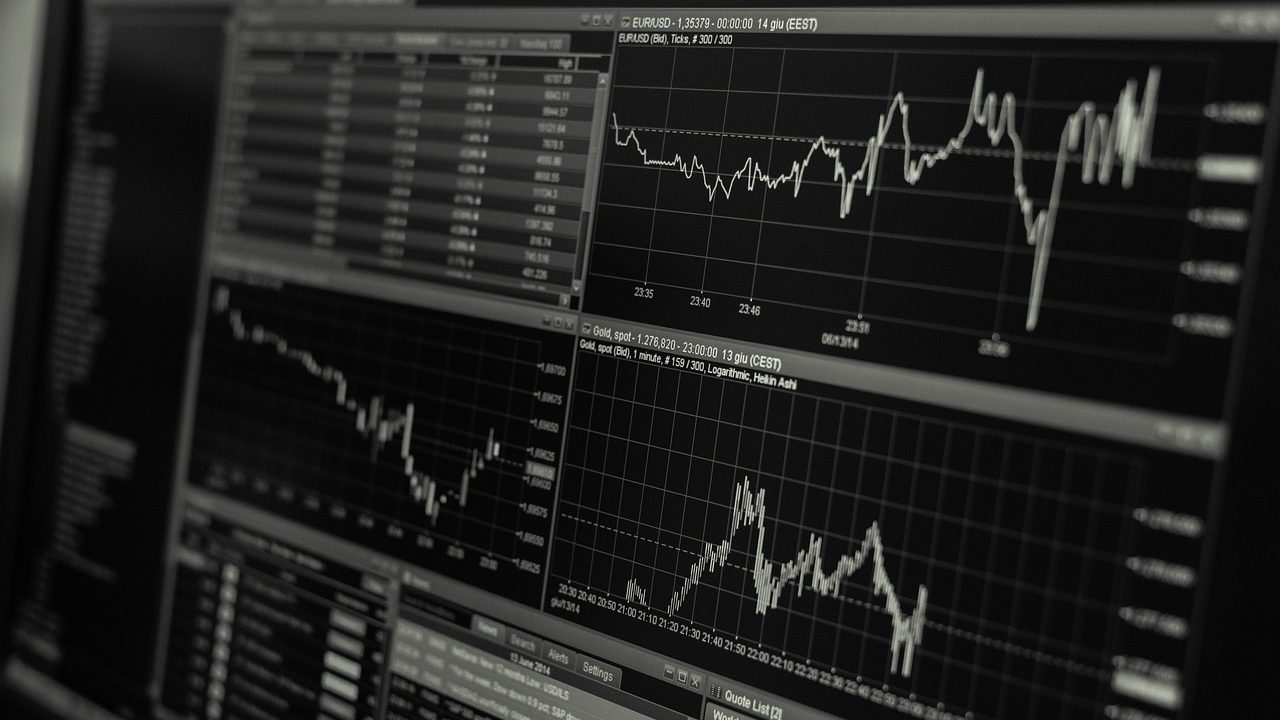
S&P futures trading at approximately 7,522 Monday morning — up roughly one percent — reflect two coincident weekend developments: the U.S.-Iran strike pause eased a major geopolitical risk premium, and Bitcoin's climb on improved risk appetite is being read as a sentiment leading indicator. When crypto moves first and equities follow, the underlying driver is risk appetite rather than fundamentals. Everything in the financial markets is downstream of one question: what does the Federal Reserve do Wednesday? A hold with dovish forward guidance would be constructive for equities. A hold with hawkish language — particularly anything citing inflationary pressure from oil disruption — would reverse the rally quickly.
Bitcoin mining's pivot to AI data centers is accelerating. Mining difficulty is down 20 percent from peak, and major mining firms are finding that power infrastructure built for hash computation can be repurposed for AI inference at roughly three to four times the revenue per megawatt at current Bitcoin prices. The transition is, as one analysis framed it, mathematically obvious.
Intel posted its fastest revenue growth in fifteen years, a figure Trump highlighted alongside the government's Intel stake gaining $70 billion in value over eight months. But a non-cash charge related to CHIPS Act accounting produced an $11 billion GAAP net loss. The choice of which number to lead with — revenue growth or net loss — produces entirely different narratives about whether the federal semiconductor investment strategy is working. Intel's antitrust history adds further complexity: its 2009 FTC complaint centered not on market size but on specific exclusionary rebate practices designed to prevent PC manufacturers from carrying AMD chips, illustrating the legal distinction between possessing large market share and using monopoly power to harm competition.
The Wall Street Journal reported that United Airlines CEO Scott Kirby called Delta's Ed Bastian to pitch a merger; talks ended before advancing. A United-Delta combination would control roughly 60 percent of domestic capacity by available seat mile, consolidating the U.S. airline industry from more than a dozen major carriers in 2000 to an effective duopoly alongside American and Southwest. Brazilian President Lula used a Washington Post op-ed to call U.S. tariffs a 'strategic mistake,' warning that the 25 percent duties are shifting Brazilian trade flows toward China — a direct appeal to American business readers designed to mobilize constituencies affected by tariff costs, and the argument most likely to register in an administration that frames tariffs as tools for limiting Chinese economic reach.