A Grain Ship Sunk, a Navy Day Speech, and Interconnected War Zones
How this was made Verified AI
Every Intellegix briefing is generated from that day's broadcast and run through automated checks before it publishes — with a human paged on any flag. Here is the trail for this edition.
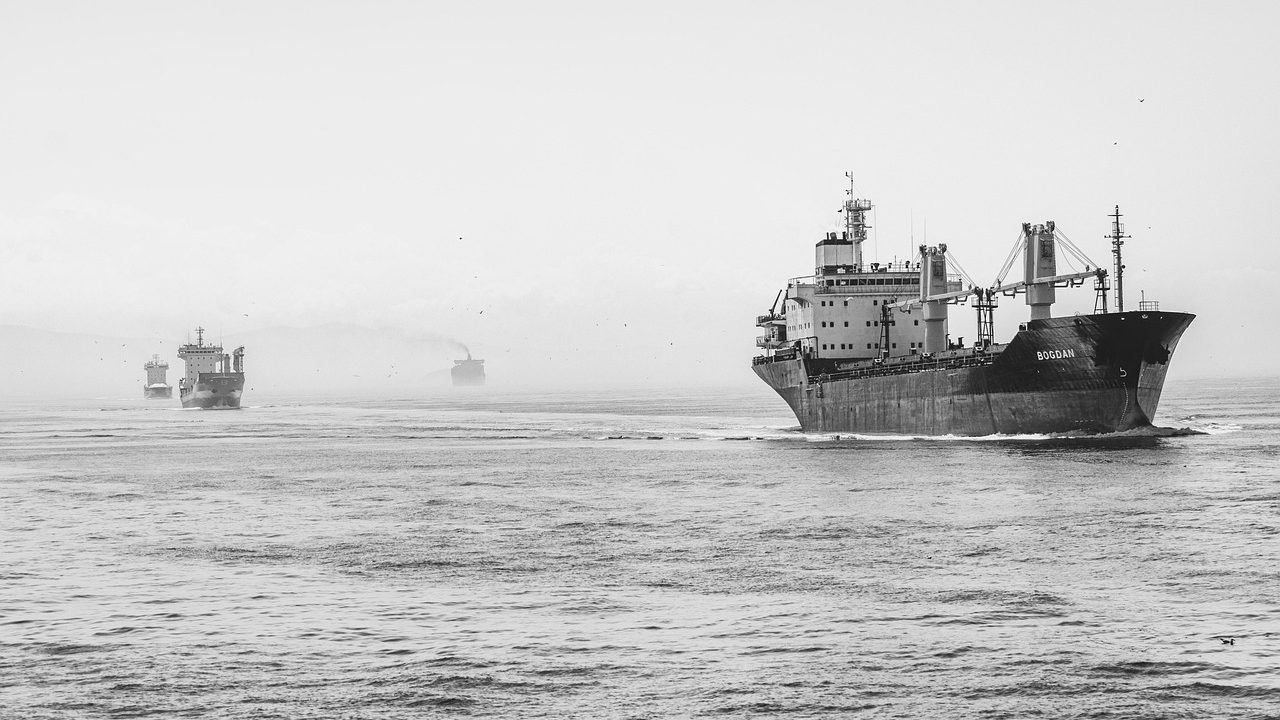
The MV Golden Leo, a bulk carrier hauling corn, was struck by three Russian cruise missiles on July 19 and capsized and sank Sunday, killing ten crew members. The ship was carrying grain. That detail — a civilian cargo vessel destroyed for its cargo of food — crystallizes the current state of the Black Sea, where Russia has demonstrated willingness to absorb international condemnation because the reputational cost is already priced into the Kremlin's calculus. Ukrainian President Zelenskyy responded on two tracks: approving updated long-range strike targets reaching deep inside Russian territory, and telling reporters the Kyiv arms exhibition struck by a Russian missile — which caused casualties — 'should never have taken place.' A wartime president second-guessing a public event in his own capital suggests the brutal calculus now governing civilian life in the city.
Putin's Navy Day speech in St. Petersburg drew scrutiny for its timing and audience. Before naval personnel, he reiterated that Russia was 'only responding to hostilities initiated by Kyiv with Western backing' — a framing delivered more than two years after a full-scale invasion and directed not at international observers but at the armed services whose morale and ideological commitment the Kremlin needs to maintain. The choice of a day of patriotic military pride to restate the origin narrative suggests internal pressure to reinforce justification among the uniformed rank and file.
The conflict zones are no longer cleanly separate. Iran's Foreign Minister Araghchi told Russian Foreign Minister Lavrov directly that a reported Ukrainian drone strike on an Iranian vessel in the Caspian Sea 'will not go unanswered.' Ukraine's strategic logic for targeting Iranian assets is clear — Tehran has been supplying Russia with Shahed drones used against Ukrainian cities — but the operation risks drawing Iran into a multi-front posture that complicates the U.S.-Iran pause in the Gulf. Simultaneously, the UK defense secretary argued Europe would ultimately 'thank' Trump for pressuring NATO members to raise defense spending, pointing to Germany crossing the two-percent-of-GDP threshold and several Eastern European nations reaching three percent. The gratitude framing felt premature to many observers given ongoing uncertainty about U.S. commitment to Article 5.
Europe faces a parallel security crisis of a different kind: wildfires have displaced 300,000 people in southwestern France and northern Spain, with flames closing in on the Bordeaux wine region — an agricultural and economic zone representing billions of euros in annual production. The EU's joint firefighting aircraft pool is under simultaneous strain from multiple member states, revealing the limits of cross-border civil protection coordination. Southern Europe is experiencing its third consecutive summer of extreme fire conditions; these are no longer anomalies but patterns reshaping infrastructure, insurance, and emergency resource decisions for the next decade. Hurricane Genevieve, strengthening in the Pacific and potentially the first major storm of the season, arrives in a summer when multiple concurrent climate-driven emergencies are competing for the same finite pool of emergency management attention.