Thirteen Nights In: The Iran War's Military, Diplomatic, and Economic Toll
How this was made Verified AI
Every Intellegix briefing is generated from that day's broadcast and run through automated checks before it publishes — with a human paged on any flag. Here is the trail for this edition.
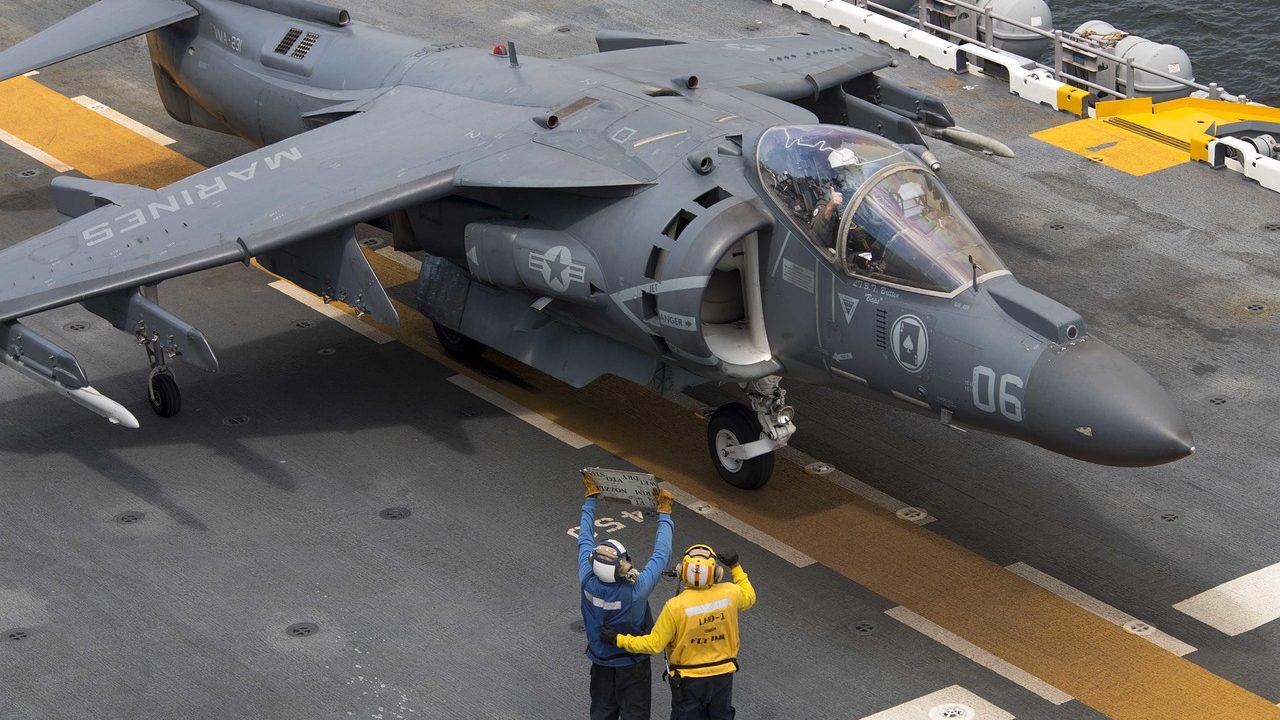
CENTCOM confirmed the thirteenth consecutive American airstrike package on Iranian military targets completed at 9 p.m. Eastern on July 23rd — a sustained bombing campaign against a major regional power with few recent parallels. The diplomatic picture has deteriorated in lockstep: Iran formally rejected President Trump's ceasefire proposal, with Tehran insisting it will not accept any 'temporary deal' that does not resolve the Strait of Hormuz dispute at its core.
The economic consequences of that impasse are now priced into global markets. Oil crossed $100 a barrel — its highest level since mid-2022 — driven by the simultaneous threat to two critical energy chokepoints: the Strait of Hormuz and the Red Sea, where Houthi attacks on Saudi tankers have compounded the risk premium. When two major chokepoints face active threat simultaneously, commodity traders move before conditions worsen further.
Secretary of State Rubio, speaking after a 35-minute meeting with Russian Foreign Minister Lavrov in Manila, said Iran is 'begging for a deal' but will keep paying 'a higher price' — language that suggests the administration believes maximum pressure is working and intends to maintain it rather than pursue a near-term negotiated off-ramp.
Perhaps the most consequential development of the week is a reported U.S. notification to Israel of planned heavy bomber strikes on Iran's Pickaxe Mountain — known in Farsi as Kuh-e Kolang — which Western intelligence has assessed as a potential hardened nuclear facility. If those strikes occur, analysts warn that $100 oil will look like the floor, not the ceiling, and that the entire diplomatic architecture of the conflict would be reset.
On Capitol Hill, the House passed a resolution 214 to 208 to halt the Iran war — one day after narrowly approving a $95 billion budget blueprint funding it. The war has already cost a growing number of American service members' lives, a figure the administration has both attempted to justify and, according to reporting, sought to downplay. The Pentagon's confirmation that four fallen soldiers' names were dropped from the Defense Casualty Analysis System on the same day Trump attended their dignified transfer at Dover Air Force Base has intensified scrutiny of how the administration is managing the public accounting of the conflict's human cost. Separately, Iran used the BRICS summit in Delhi to urge member nations to formally condemn U.S. strikes — a bid to internationalize the cost of continuing the conflict even as Tehran refuses ceasefire terms.