Russia's Silent Blockade: How Missile Strikes Emptied the Black Sea
How this was made Verified AI
Every Intellegix briefing is generated from that day's broadcast and run through automated checks before it publishes — with a human paged on any flag. Here is the trail for this edition.
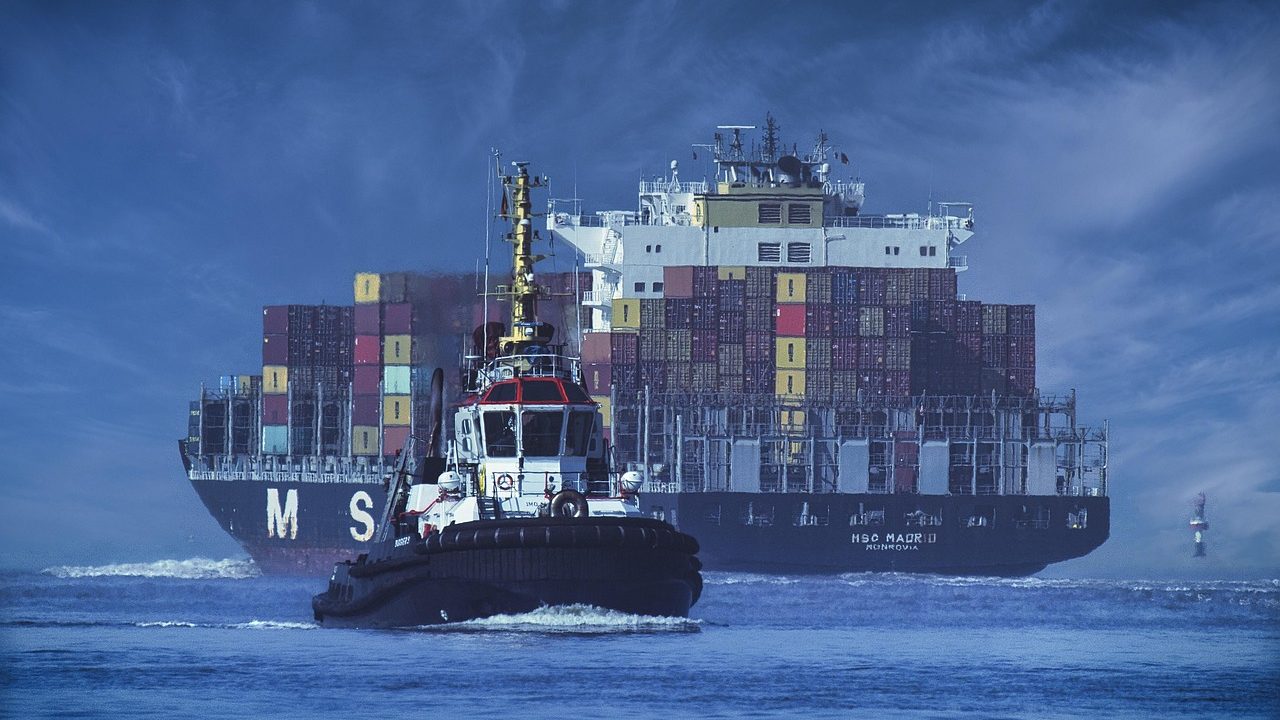
Not a single inbound vessel is heading to Ukraine's Black Sea ports. Ukraine's Deputy Economy Minister Oleksiy Vysotskyi confirmed the figure publicly on Wednesday: a complete commercial shutdown driven not by a formal naval blockade but by the accumulated deterrent effect of Russian missile and drone strikes on port infrastructure. Shipowners have collectively decided that no commercial return justifies the risk.
The mechanism is insurance, not fear alone. When Lloyd's of London and major marine underwriters add a port to their high-risk zone listings, voyage premiums can rise to levels that consume 40 to 60 percent of the cargo's value, according to sources cited in the briefing — making every trip economically irrational. Russia has effectively achieved a blockade's commercial result without the legal and diplomatic exposure a formal naval blockade would carry.
The stakes extend well beyond Ukraine's borders. Ukraine ranks among the world's top five exporters of wheat, corn, and sunflower oil. Russia withdrew from the UN- and Turkey-brokered Black Sea Grain Initiative in July 2023; since then, Ukraine has maintained a unilateral humanitarian corridor bolstered partly by its own naval drone capabilities. Sustained strikes on port infrastructure have now crossed the threshold that insurers will tolerate.
Ukraine is striking back — Ukrainian forces this week destroyed a MiG-29 fighter jet and air defense systems at a Russian airbase in Kursk, inside Russian territory — but the asymmetry is stark. Destroying aircraft in Kursk does not reopen the Black Sea; destroying port infrastructure in Odesa does close it. Meanwhile, Bloomberg reports that Russia has explicitly refused to return occupied Ukrainian territories including parts of Zaporizhzhia, Kherson, Luhansk, and Donetsk — regions it claims as federal subjects — effectively closing the door on any settlement returning to pre-2022 borders.
The economic compression will compound quickly. Alternative export routes through Romania and the Danube or overland through Poland exist, but each carries greater cost and limited capacity. A new consumer survey finds that 81 percent of U.S. consumers already blame the Strait of Hormuz crisis for rising grocery prices; adding Ukrainian port disruption to the same supply chain stress is creating what analysts describe as a dual-front commodity shock affecting wheat futures and edible oil markets globally.