MLB Bans Dugout AI Mid-Season — and Ukraine's Ship Strike Numbers Face Hard Questions
How this was made Verified AI
Every Intellegix briefing is generated from that day's broadcast and run through automated checks before it publishes — with a human paged on any flag. Here is the trail for this edition.
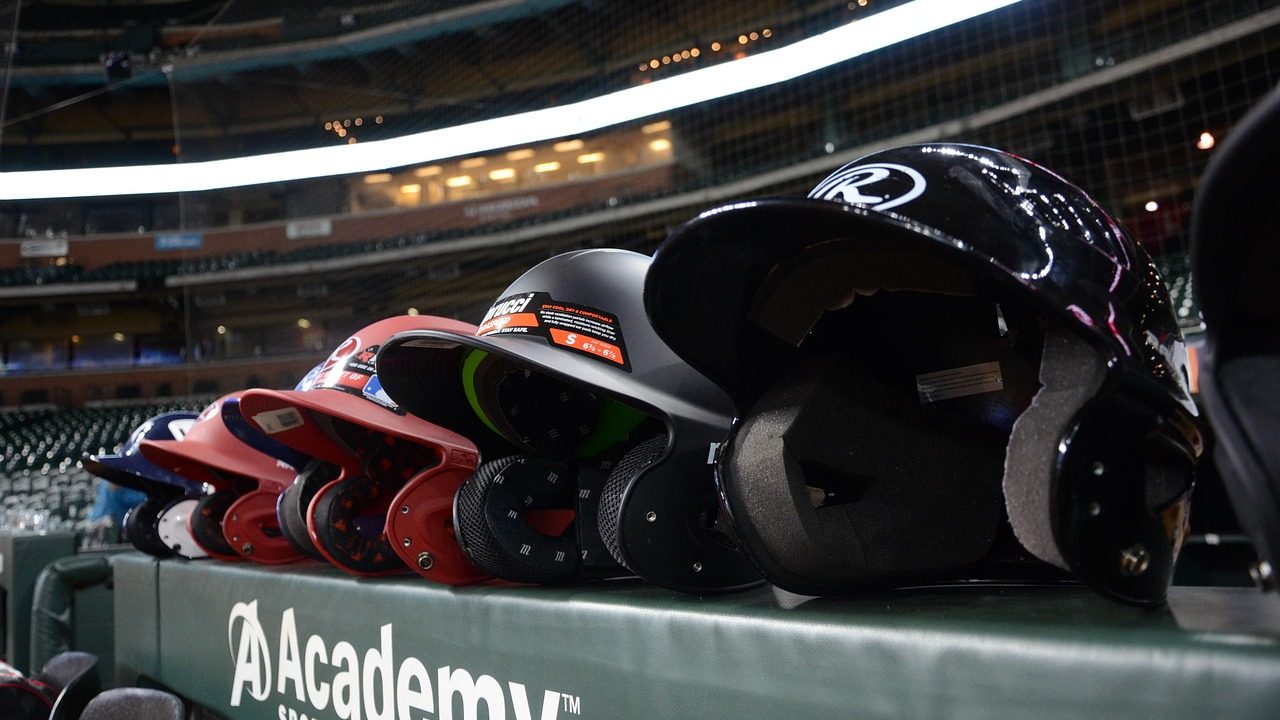
Major League Baseball banned generative AI tools from dugout iPads mid-season, affecting roughly ten franchises — approximately a third of all teams — that had incorporated the tools into real-time tactical decisions including pitching adjustments, defensive shift recommendations, and in-game lineup optimization. Teams that had built workflows around these applications must now rebuild in-game decision processes on the fly. The league's concern centers on competitive asymmetry: teams that adopted AI gained advantages over those that did not, raising fairness arguments that echo debates in every competitive domain from financial markets to academic testing.
United Airlines offered free rebookings away from what it described as 'Trump Airport' — the renamed West Palm Beach facility — accommodating travelers with political objections to the rebranding without the airline taking a public political position. Defense Secretary Hegseth responded to a Navy safety review of a Blue Angels jet that flew what witnesses described as dangerously low over Pensacola Beach by posting 'until morale improves' on social media and vowing the flyovers would continue — a tone that stands in tension with military safety culture, which treats near-miss incidents as mandatory learning events.
The Suno scraping revelation carries distinct cultural implications beyond its cybersecurity dimensions. AI music generation has been positioned as a democratizing technology, but if its foundation was built by ingesting millions of professional musicians' songs without authorization or compensation, the ethical architecture is deeply compromised. The company has not confirmed the leaked source code's authenticity, but the specificity of the reporting makes wholesale fabrication unlikely.
This week's 'What If We're Wrong?' exercise targeted the shadow fleet campaign's apparent success. The confident claim — that striking 159 vessels in twelve days is crippling Russia's oil export capacity — rests on assumptions worth scrutinizing. The figure may count vessels damaged but not destroyed; repair can return ships to service. The shadow fleet is also not a fixed asset pool: Russia has been actively acquiring additional vessels through intermediaries in Turkey, the UAE, and India throughout the war, and if acquisition velocity even partially offsets attrition, the net impact on export volume could be substantially smaller than headline numbers suggest.
Crucially, if the campaign were genuinely crippling Russian exports, the Urals crude discount to Brent would be expected to widen as buyers struggled to access Russian supply. The discount has reportedly narrowed somewhat — a data point that cuts against the strong form of the claim. Three indicators to watch: satellite imagery of Russian export terminals for queuing tankers, Urals crude pricing relative to Brent, and Russian central bank foreign reserve data. Those streams will reveal whether the shadow fleet campaign is hitting as hard as the headline numbers suggest, or whether Russia has found sufficient workarounds to blunt the impact.