Heat Dome, Wildfire, and Saharan Dust: Ninety Million Americans Under Pressure
How this was made Verified AI
Every Intellegix briefing is generated from that day's broadcast and run through automated checks before it publishes — with a human paged on any flag. Here is the trail for this edition.
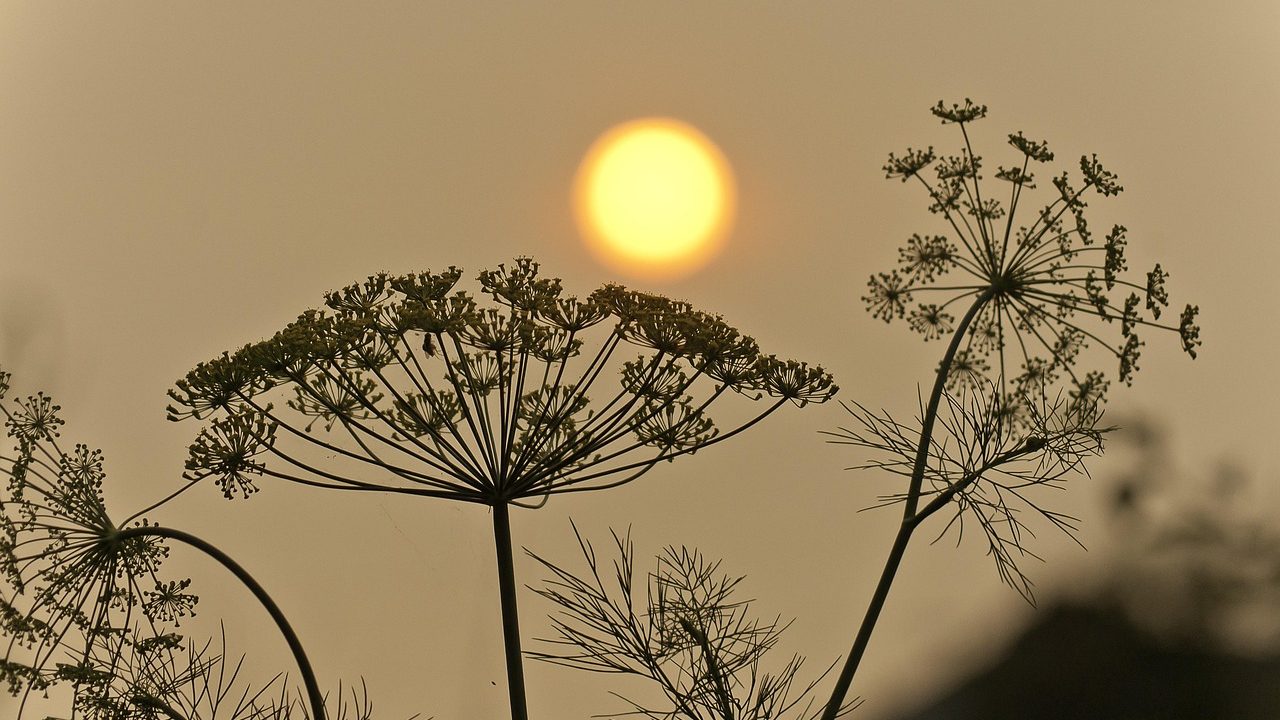
A heat dome that baked the Rockies has shifted toward the Dakotas and is moving eastward, with triple-digit temperatures forecast across a wide section of the Midwest this week. Heat domes form when a high-pressure system traps hot air in place, preventing the convection that would normally mix surface heat with cooler air above. The result is compounding heat that intensifies over days rather than dissipating overnight. Ninety million Americans are currently within the affected zone.
The Elephant Fire near Loyalton in California's Tahoe National Forest has surged past 6,400 acres and is approximately 6,436 acres (per CAL FIRE as of Jul 12). Smoke is drifting into the Reno, Nevada area. Fire conditions and heat dome conditions are mutually reinforcing: drought-stressed vegetation ignites more readily, and the resulting smoke creates air quality emergencies that make outdoor labor — including firefighting — more hazardous.
A massive Saharan dust plume has already blanketed Cuba and is moving toward Florida. Saharan dust events, which occur each summer as trade winds carry particles across the Atlantic, can suppress Atlantic hurricane formation by creating a dry atmospheric layer. For people on the ground, the air quality effects are more immediate: fine particulate matter from the dust can trigger serious respiratory complications, particularly for those with asthma or COPD.
The three events — a major wildfire, a regional heat emergency, and a transcontinental dust plume — are distinct meteorological phenomena sharing a common context of elevated baseline temperatures that make each more intense than it would have been in a cooler climate. Emergency response systems across the affected region are simultaneously managing fire suppression, heat illness, and air quality advisories, with institutional capacity under genuine strain.