Hormuz on a Hair Trigger: The Gulf Crisis and Its Global Stakes
How this was made Verified AI
Every Intellegix briefing is generated from that day's broadcast and run through automated checks before it publishes — with a human paged on any flag. Here is the trail for this edition.
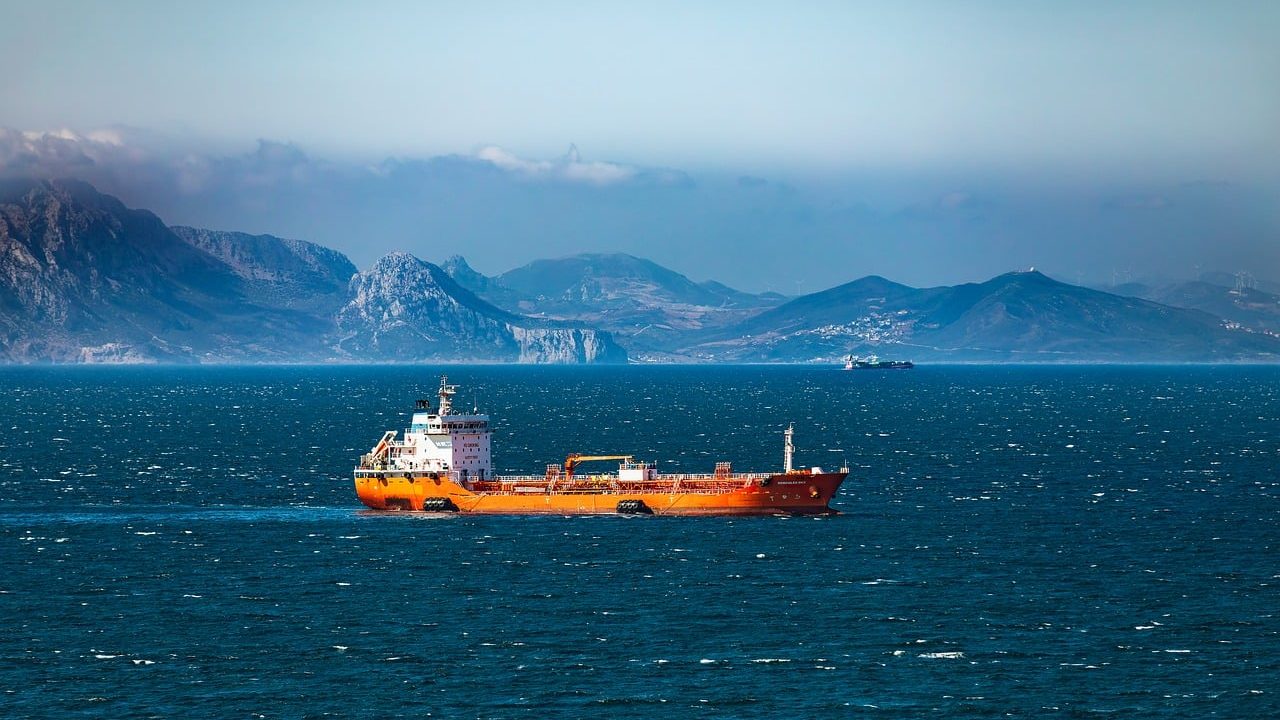
Trump declared the Strait of Hormuz open to traffic over the weekend and called a permanent deal with Iran 'very possible' — even 'one of the great deals' he could make. Yet Qatar moved in the opposite direction, suspending all maritime navigation, a decision that carries enormous economic self-harm for an economy built on liquefied natural gas exports. That Qatar was willing to absorb that cost signals how acutely Gulf states are reading the regional threat.
Saudi Arabia separately denounced Iran's attacks on Gulf states — a significant rupture given that Riyadh and Tehran had been engaged in a Chinese-brokered diplomatic normalization process since 2023. Trump presented Tehran with a fourteen-point proposal, which Iran is reportedly reviewing. But a sitting Iranian lawmaker warned publicly that the White House is 'no longer safe' for Trump, a statement calibrated to play to domestic hardliners and signal that the Revolutionary Guard and parliamentary hawks are not prepared to accommodate any deal. The moderates around President Pezeshkian may be willing; the hardliners emphatically are not.
Israeli Prime Minister Netanyahu has publicly backed Trump's diplomatic approach — a notable shift given Israel's historical preference for maintaining permanent maximum pressure on Iran. Analysts attribute the endorsement to Netanyahu's calculation that a deal requiring verifiable nuclear rollback is preferable to escalation he cannot fully control. But a reported rift persists: Israel wants complete nuclear dismantlement; Trump may be willing to accept significant curtailment in exchange for economic relief. That gap is not minor.
Experts are also noting that while Trump has reportedly left standing orders to strike Iran in the event of his assassination, no president can legally bind a successor's military decisions — Vice President Vance would make his own call. The Strait of Hormuz carries roughly twenty-one million barrels of oil per day. Even elevated tension, short of an actual blockade, is sufficient to sustain the risk premium now rippling through energy markets, affecting airlines, plastics manufacturers, and consumers with heating bills worldwide.