Rockets, Robots, and the Race to Reuse: SpaceX, Tesla, and China's Booster Catch
How this was made Verified AI
Every Intellegix briefing is generated from that day's broadcast and run through automated checks before it publishes — with a human paged on any flag. Here is the trail for this edition.
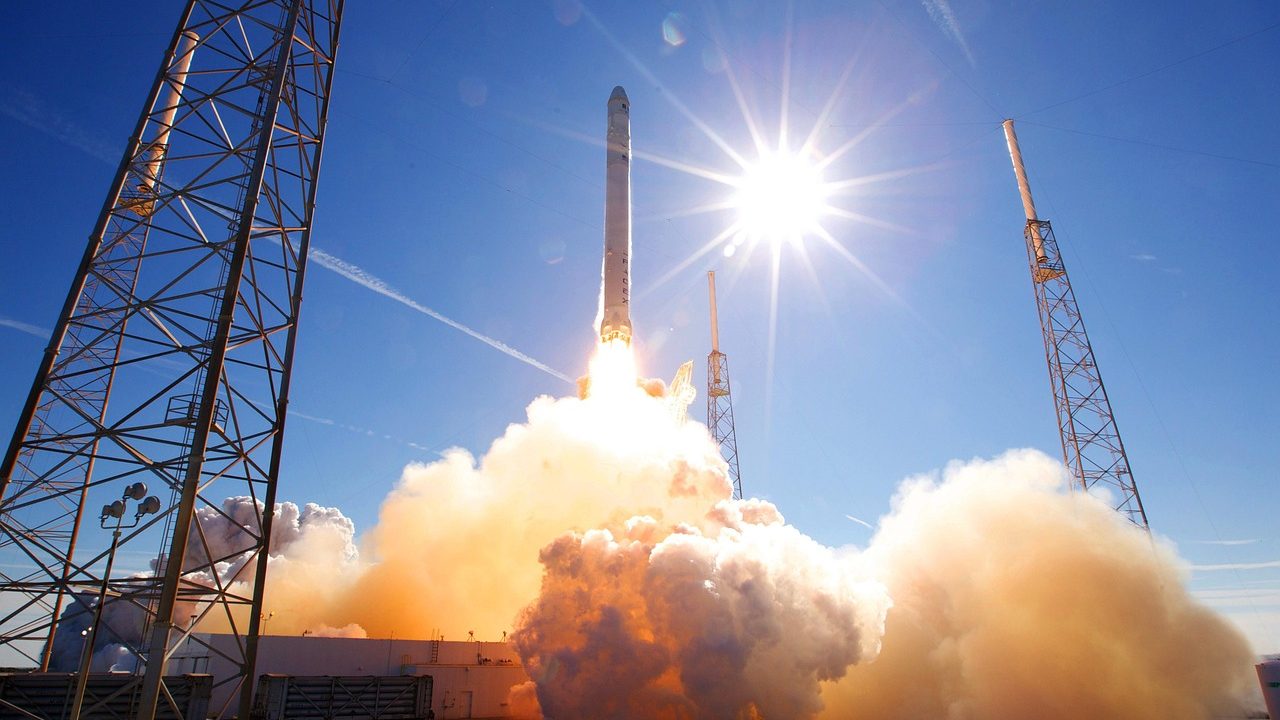
SpaceX successfully fired all 33 Raptor engines on the Super Heavy booster in a full-duration static fire test at Starbase, Texas, targeting Flight 13 of Starship for July 14 — three days from the broadcast date. Starship is designed to carry 100 to 150 metric tons to low Earth orbit, forming the foundation of NASA's Artemis lunar landing architecture and virtually every other ambitious near-term deep-space mission.
SpaceX's financial picture is more complicated than its engineering success narrative. Musk claimed this week the company could eventually be worth more than Earth — a statement analysts categorized as aspirational hyperbole — while SpaceX shares recently hit an all-time low, weighed down by billions in AI spending and accelerating quarterly losses. Analysts expect terrestrial compute contracts, using Starlink-adjacent satellite infrastructure for AI processing, to generate over 28 billion dollars this year, dwarfing launch and subscription revenue and making SpaceX, in a meaningful sense, an AI compute company that also launches rockets.
China recovered a rocket booster at sea using a net system this week, demonstrating independently developed reusability technology. Whether the approach matches the mass efficiency of SpaceX's mechanical-arm 'chopstick' system remains unproven, but the achievement confirms that the technical barriers to booster reuse are falling — with significant competitive implications for launch services pricing globally.
Tesla dismantled its entire Model S and Model X production line in 46 days to make room for Optimus humanoid robot manufacturing, releasing a time-lapse video of the clearing. Production is targeting late July. Analysts drew comparisons to early iPhone adoption curves, arguing Tesla's autonomy and robotics stack might follow a similar S-curve trajectory — though the decision to exit the premium sedan market coincides with a broader 25.1 percent contraction in battery EV sales in the first half of 2026, raising questions about the timing of the pivot.
New York City adopted a 'click to cancel' subscription rule requiring cancellations to be as easy as sign-ups, filling a federal regulatory vacuum after the FTC's version of the rule was struck down in court. Google VP Josh Woodward publicly solicited and published user complaints about the Gemini app on X, committing to fix most of the top ten issues — an unusual exercise in public product accountability that creates meaningful transparency but also measurable risk if resolution timelines slip.