SpaceX's Millionaire Moment and an 81% El Niño Warning
How this was made Verified AI
Every Intellegix briefing is generated from that day's broadcast and run through automated checks before it publishes — with a human paged on any flag. Here is the trail for this edition.
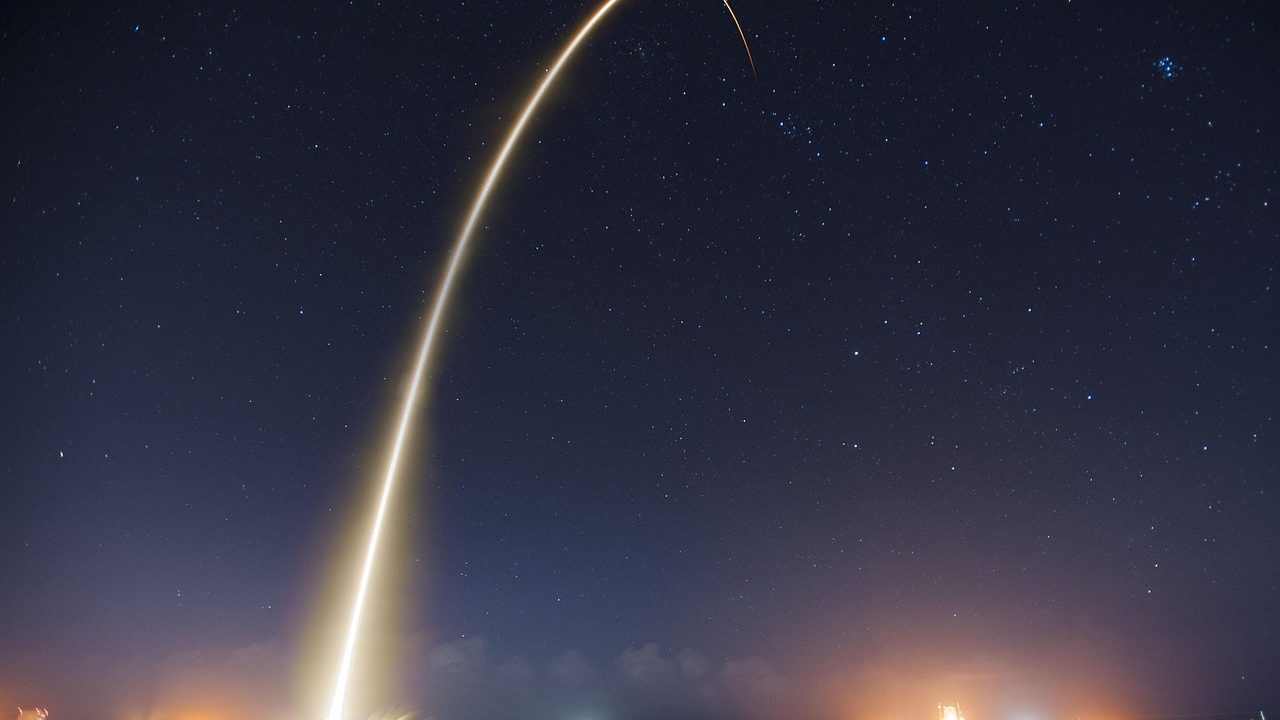
SpaceX's record IPO generated wealth creation that Elon Musk said made thousands of company workers millionaires. During a radio appearance this week, Musk laid out a lunar timeline: landing within three years, a permanent lunar base within a decade, and AI satellites launching next year. The AI satellite announcement describes onboard processing capability that would allow earth observation, communication routing, and sensor fusion tasks without relying on ground station uplinks — changing the latency and resilience profile of satellite-based services significantly.
NOAA raised the probability of a 'very strong' El Niño event to 81%, up from 63% in June, with peak intensity expected by late fall. Sea surface temperatures are already 1.2 degrees Celsius above average in the Niño 3.4 region of the equatorial Pacific. A very strong El Niño typically produces severe drought in Australia and parts of South Asia, flooding in South America, and disrupted Atlantic hurricane patterns.
The interaction between the El Niño forecast and the current energy shock is underappreciated. Drought reduces hydropower capacity in South America, Southeast Asia, and parts of the Pacific Northwest. If disrupted oil supplies from the Strait of Hormuz and reduced hydropower from El Niño-driven drought arrive simultaneously, the pressure on electrical grids across multiple regions becomes extremely difficult to manage — creating both an economic and a resilience argument for accelerating renewable deployment in a window measured in months, not years.