One Strait, Many Crises: The Week's Hidden Thread
How this was made Verified AI
Every Intellegix briefing is generated from that day's broadcast and run through automated checks before it publishes — with a human paged on any flag. Here is the trail for this edition.
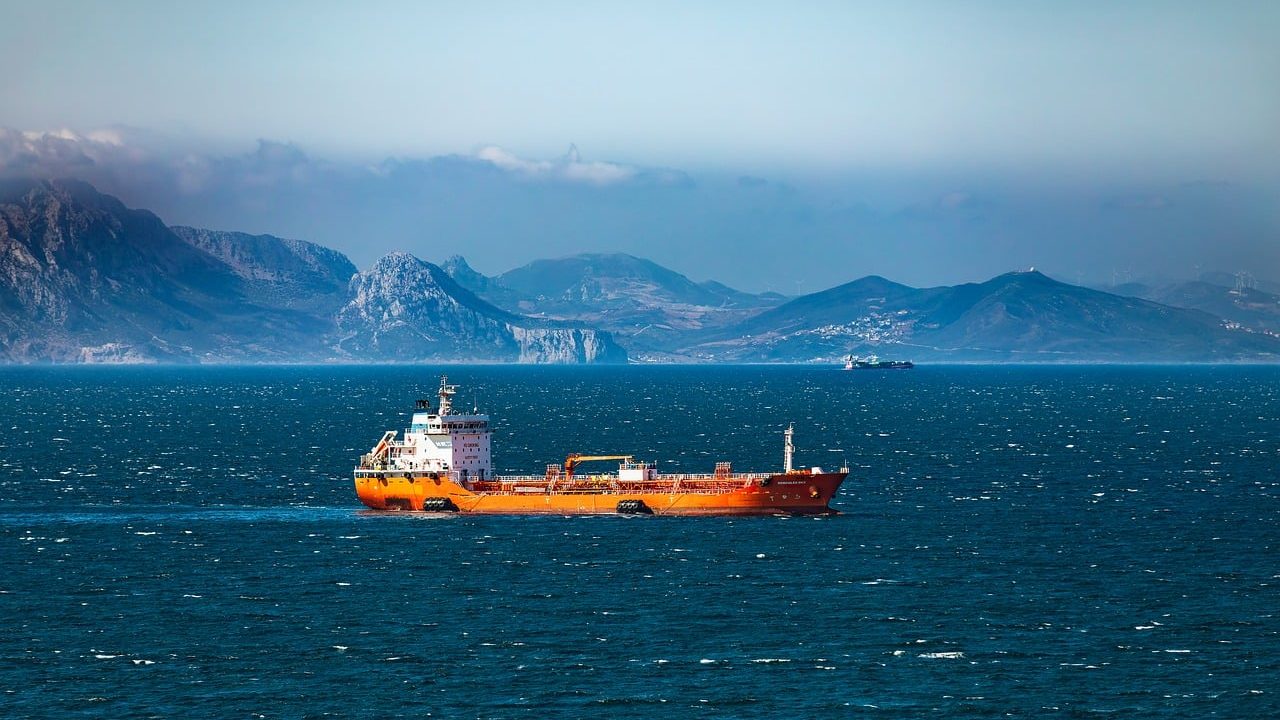
The International Energy Agency's projection that global oil demand will fall by one million barrels per day in 2026 — the first annual decline since the COVID crash — arrived not as a triumph for clean energy advocates but as a warning sign of war. The disruption of shipping through the Strait of Hormuz, through which roughly 20 to 21 million barrels of oil flow every day, has pushed prices high enough to destroy demand while simultaneously reshaping diplomatic, financial, and military calculations from Brussels to Beijing.
That single pressure point threads through the week's most consequential stories: a bond market flashing its most alarming signals since 2007, European defense ministries racing a two-month clock before Russia's September elections, an AI industry generating vast wealth while drawing accusations of espionage, and a 81% probability forecast for a record-strength El Niño arriving just as food and energy systems are already under strain.
The week's news was not a collection of unrelated events. It was a stress test of multiple interconnected systems, running simultaneously.