Pacific's Last Tropical Glacier Has Months Left, as Nuclear Cubesat Reaches Orbit
How this was made Verified AI
Every Intellegix briefing is generated from that day's broadcast and run through automated checks before it publishes — with a human paged on any flag. Here is the trail for this edition.
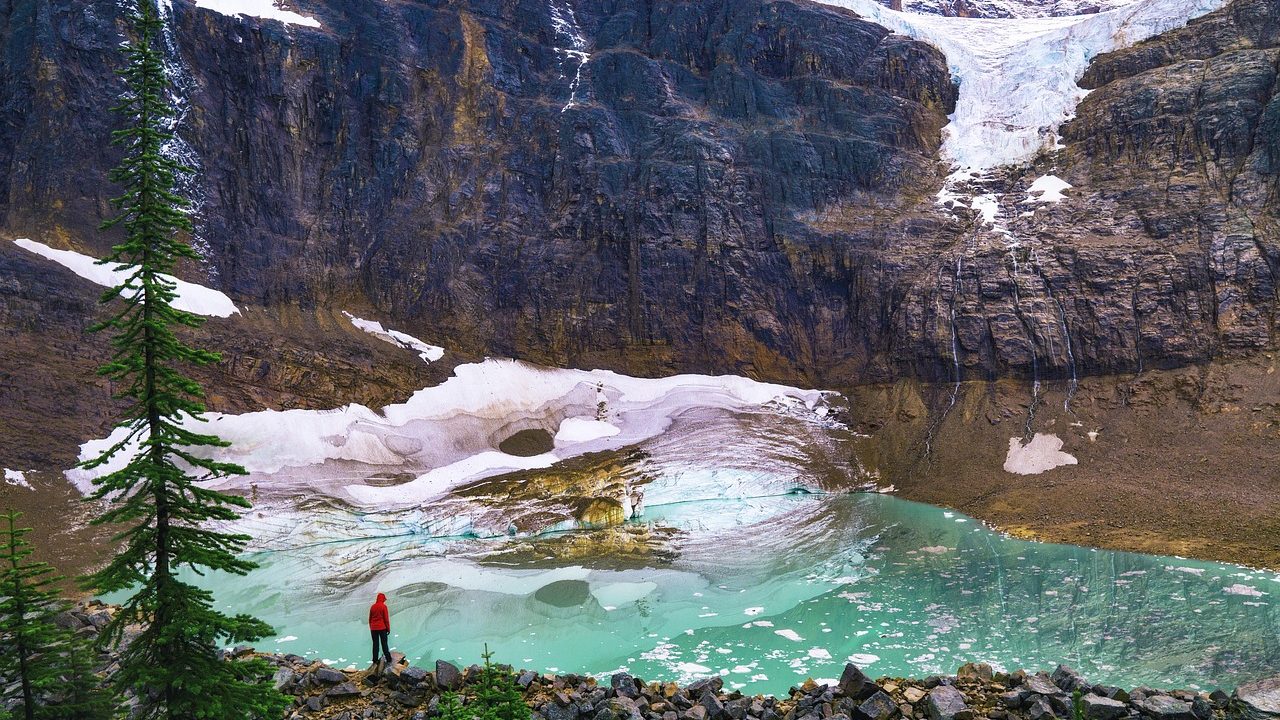
The World Meteorological Organization has announced the Puncak Jaya glacier in Papua, Indonesia — the last tropical glacier in the Pacific region — may vanish by early 2027. The timeline is a concrete, measurable prediction with a specific date attached, making it a natural experiment that will either confirm or challenge the climate models. It also represents the permanent loss of a scientific reference point for understanding long-term climate variability in the tropics.
The practical consequences extend beyond data. Tropical glaciers function as natural reservoirs, releasing meltwater during dry seasons. Communities downstream in Papua have depended on that cycle for freshwater timing. The glacier's disappearance eliminates that seasonal regulation permanently — a supply chain disruption for water in one of the world's most remote and least-resourced regions.
City Labs launched its BOHR cubesat aboard SpaceX's Transporter-17 rideshare flight from Vandenberg on Tuesday, testing tritium-based battery technology in orbit. Tritium, a hydrogen isotope, produces low-level, consistent energy through radioactive decay and could solve one of the most persistent constraints in small satellite design: power availability during eclipse periods when solar panels go dark. If the technology validates, it could dramatically expand the capability and operational lifetimes of the small commercial satellites that have democratized orbital access.
A UMass Amherst and MIT Sea Grant research team confirmed reproducing Manila clam colonies in Massachusetts waters, completing the invasive species' establishment on every major coastline in the Northern Hemisphere. For New England's shellfish industry — dependent on oysters, native clams, and mussels — a competing invasive species capable of reproducing in those waters creates real pressure on the native populations underpinning the regional economy.
A Turkish cave study has overturned prevailing assumptions about Neanderthal-human coexistence, showing both species hunting the same prey, using the same tools, and collecting the same shells in the same location over a period spanning roughly 30,000 years. That duration is not a brief overlap but multi-generational coexistence producing genuine cultural convergence, raising serious questions about the speed and mechanism of Neanderthal extinction and suggesting far more extensive cultural exchange between the species than previously credited.