Toyota Bets on San Antonio, While States Battle Tariffs and Meta Faces $1.4 Trillion Lawsuit
How this was made Verified AI
Every Intellegix briefing is generated from that day's broadcast and run through automated checks before it publishes — with a human paged on any flag. Here is the trail for this edition.
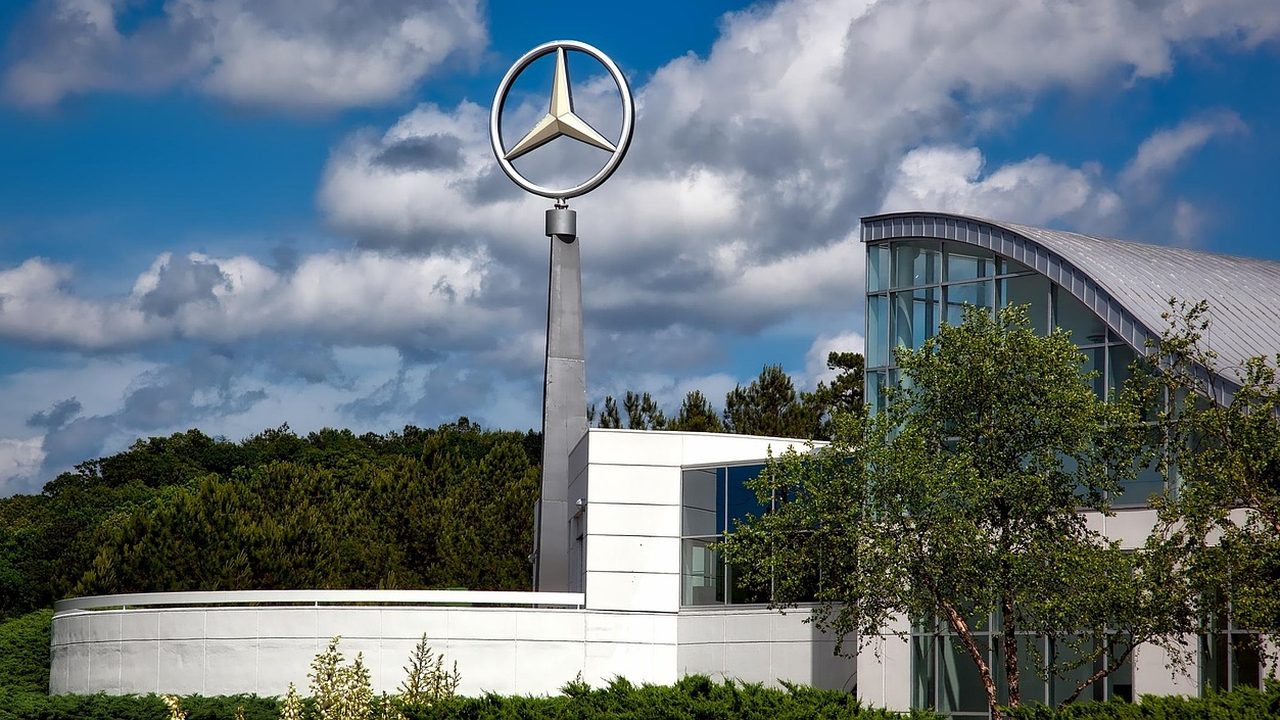
Toyota announced a $3.6 billion investment to move Tacoma production from Mexico to San Antonio, creating 2,000 jobs and doubling the size of its Texas plant by 2030. The Tacoma is Toyota's best-selling truck in the United States, making this a substantial capital commitment rather than a symbolic gesture. The administration cited the announcement as evidence that its trade policy is producing results, though the full picture is more ambiguous: Toyota has been expanding its American manufacturing footprint for two decades, and the degree to which tariff pressure, long-range corporate planning, or the economics of producing near the primary market drove the decision cannot be cleanly separated.
That ambiguity forms the backdrop for a formal legal challenge: twenty-two state attorneys general filed opposition this week to Trump's proposed tariffs on 59 countries, arguing the measures constitute an unconstitutional executive overreach — using emergency trade statutes to impose what amounts to a permanent tax regime without congressional authorization. The structural argument partially succeeded on narrower tariff questions in lower courts. A coalition of 22 AGs brings significant legal resources and political weight to the challenge.
California, Colorado, Kentucky, and New Jersey filed a four-state lawsuit against Meta seeking $1.4 trillion in penalties — a figure exceeding the company's current market capitalization — for claims that its platforms, primarily Instagram, addicted children and caused documented harm. An August trial date has been set. No court will award the full claimed amount, but the scale of the litigation creates enormous settlement pressure and will force internal documents into the public record through discovery. The suit arrives alongside parallel antitrust scrutiny of whether the FTC should have approved Meta's $1 billion acquisition of Instagram in 2012.
Rivian launched a 75-million share offering to fund repayment of its DOE loan, diluting existing shareholders at a moment when the stock is already under pressure. The company faces persistent manufacturing cost challenges despite genuine consumer demand for its products. The DOE loan program was designed to bridge capital-intensive early production phases; whether Rivian reaches profitability on the other side remains genuinely uncertain.