Huawei Rewrites the Chip Playbook While Samsung Eyes an 18-Fold Profit Surge
How this was made Verified AI
Every Intellegix briefing is generated from that day's broadcast and run through automated checks before it publishes — with a human paged on any flag. Here is the trail for this edition.
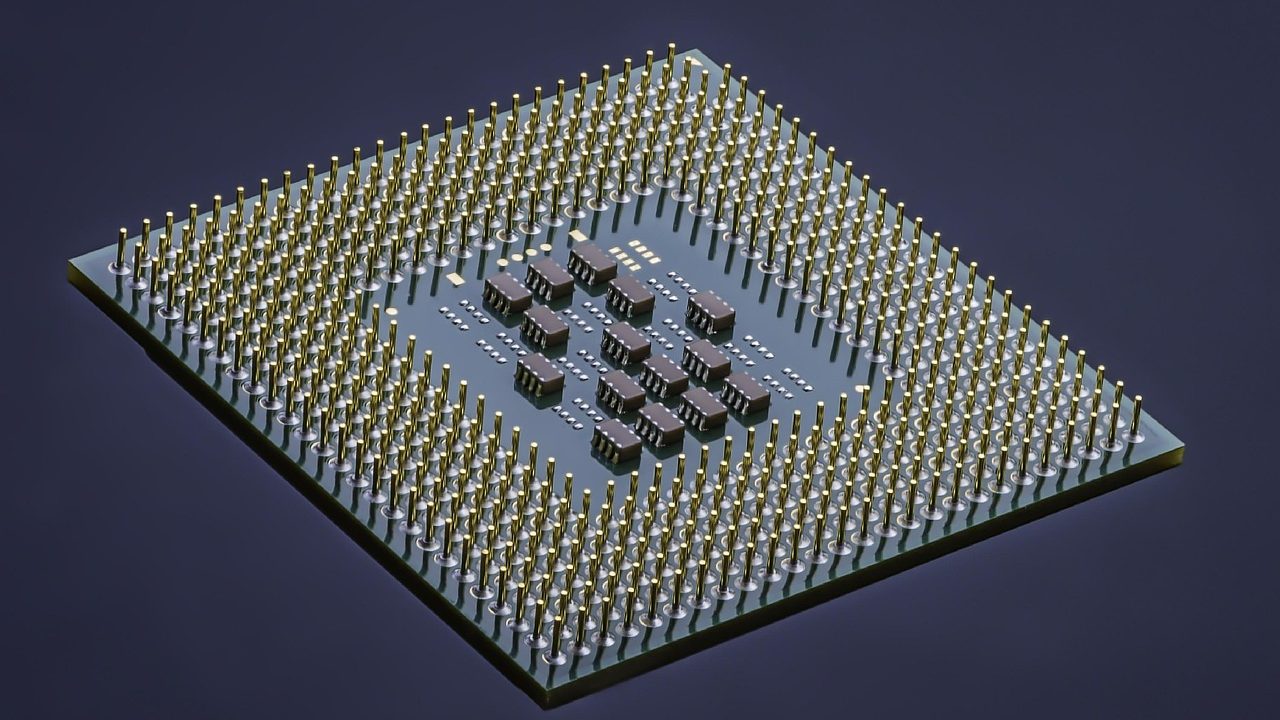
Huawei's publication of mass production data validating the Tau Scaling Law — using its Kirin 2026 chip — represents the first real-world production verification of an alternative to traditional transistor miniaturization. Moore's Law, the decades-long reliable prediction that transistors would shrink on a predictable schedule, has been slowing as physical limits make miniaturization increasingly expensive. Huawei's Tau Scaling Law proposes an alternative: improve chip performance by optimizing the entire system architecture — memory bandwidth, interconnect efficiency, computational organization — rather than simply shrinking transistors. Cut off from TSMC's most advanced process nodes by U.S. export restrictions, Huawei effectively turned a constraint into a research direction, and the mass production data suggests the approach is working at commercial scale.
Apple's reported lobbying for access to CXMT — a Chinese DRAM manufacturer on the U.S. Entity List — is, according to Bank of America analysis, primarily a negotiating tactic rather than a genuine supply chain pivot. By credibly threatening to source memory from a blacklisted Chinese supplier, Apple gains leverage over Samsung, SK Hynix, and Micron — which together supply roughly 95 percent of global DRAM — to extract better pricing. It is a classic monopsony maneuver: a buyer large enough to manipulate supplier behavior through the credible threat of switching, even without ever switching. The concentration of the global DRAM market among three suppliers is precisely what gives Apple that leverage, and it is also what draws antitrust scrutiny to the sector.
Samsung's second-quarter earnings, due Tuesday, are expected to show operating profit of approximately 85 trillion won — analysts project roughly an 18-fold increase year-over-year, driven almost entirely by surging memory chip prices as AI infrastructure buildout requires enormous quantities of high-bandwidth memory. The question hanging over the report is whether Samsung can maintain production discipline or whether forward guidance will be dampened by the AI investment jitters Jefferies flagged. Overlaying all of it is a geopolitical risk: Samsung's most advanced production is concentrated in South Korea, a country within China's projected military reach, and Huawei's Tau Law advances underline Beijing's active effort to reduce dependence on that production base.