Wildfires, Blackouts, and Energy Policy Contradictions in a Record Heatwave
How this was made Verified AI
Every Intellegix briefing is generated from that day's broadcast and run through automated checks before it publishes — with a human paged on any flag. Here is the trail for this edition.
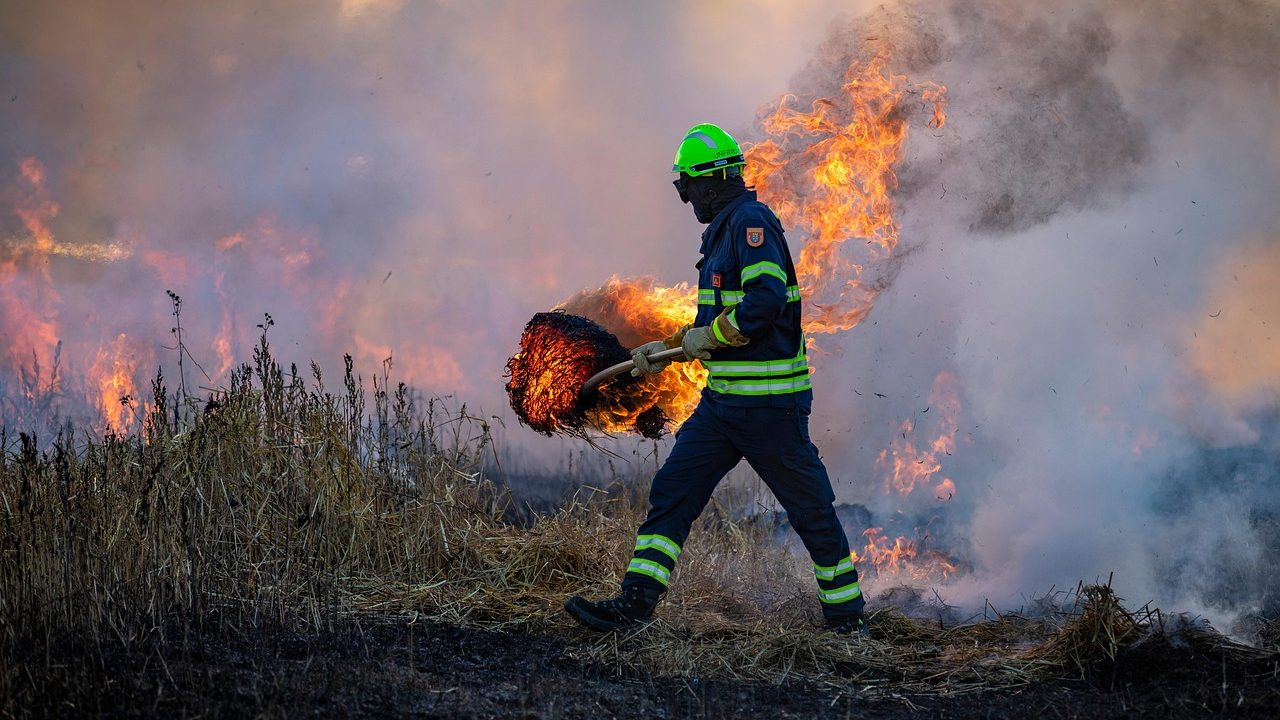
The Fourth of July weekend produced a concentrated expression of the extreme-weather conditions climatologists have projected for the mid-2020s. The Chelan Hills Fire in Washington State grew from roughly 400 acres at dawn Saturday to approximately 20,000 acres by evening — a fifty-fold expansion in a single day driven by wind, low humidity, and drought conditions. Dozens of homes were destroyed. California deployed firefighters to Colorado's Aspen Acres fire, which reached 85,000 acres and ranks among the largest in Colorado's recent history.
Simultaneously, severe storms knocked out power to 80,000 Maryland residents on July 4th — the same storms that forced the National Mall evacuation and delayed Trump's address. Over 100 people were sickened at a Philadelphia train stop during 106-degree heat. Philadelphia canceled its July 4th parade entirely because of the temperature. The convergence of extreme heat, severe storms, and rapid-onset wildfires across multiple regions simultaneously is not a series of isolated weather events.
The Department of Energy's actions during this heatwave are difficult to explain on grounds other than political sensitivity. The DOE deleted 6,000 energy conservation pages from its website during the emergency. Separately, a DOE webpage recommending thermostat settings of 75 to 78 degrees Fahrenheit for summer — guidance consistent with decades of energy efficiency research — was quietly removed after New York City Mayor Mamdani's identical recommendation sparked conservative political backlash. The removal of evidence-based conservation guidance while a heat emergency is actively unfolding represents a policy contradiction operating in real time.
One constructive development embedded in the weekend's chaos: electric school buses feeding power back to the grid during peak demand. Vehicle-to-grid technology — in which electric vehicles function as distributed energy storage that can discharge during high-demand periods — is increasingly viable, and school buses are a near-ideal candidate. They are stationary during peak summer afternoon hours when grid demand is highest. The fact that this is occurring at meaningful scale during an actual emergency, rather than a controlled pilot program, is a substantive development. The Trump administration's proposed changes to Section 702 of the Foreign Intelligence Surveillance Act, which governs intelligence collection on foreign targets and whose rule modifications would expand the practical scope of permissible collection, were released over the holiday weekend with minimal attention.