Trump Calls Putin on the Fourth of July — NATO Watches Ankara
How this was made Verified AI
Every Intellegix briefing is generated from that day's broadcast and run through automated checks before it publishes — with a human paged on any flag. Here is the trail for this edition.
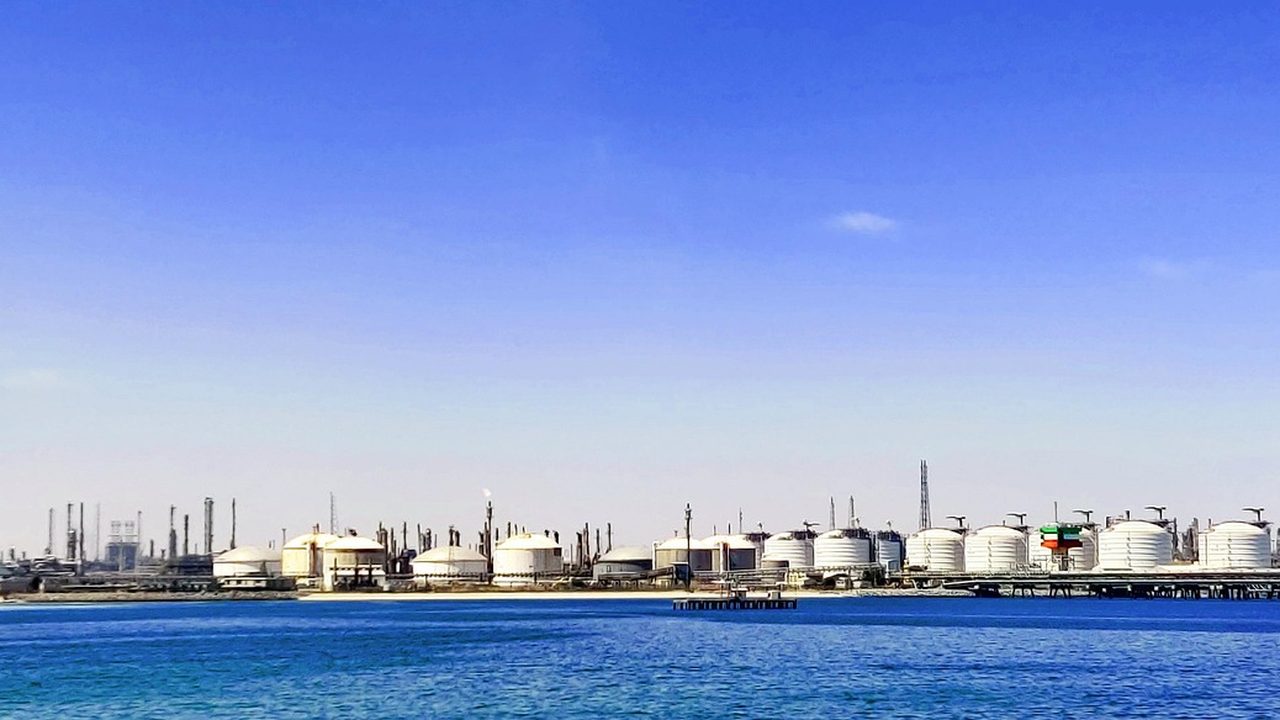
Ukraine struck a major oil terminal in St. Petersburg on the same day Donald Trump and Vladimir Putin spoke for 85 minutes by phone, with the two leaders discussing ending the war ahead of the NATO summit in Ankara. The St. Petersburg strike — a deep-strike operation targeting one of Russia's key fuel distribution nodes on the Baltic coast — signals Kyiv's continued capability and willingness to hit targets far behind Russian lines, even as diplomatic pressure mounts for a negotiated pause.
Russian fuel supply was already strained by sanctions, earlier Ukrainian strikes on refineries, and wartime economic dislocation. Hitting a St. Petersburg terminal deepens that pressure in Russia's second-largest city. Ukrainian President Zelensky simultaneously denied Russian claims of capturing Kostiantynivka, a strategic logistics hub in Donetsk, and pressed German Chancellor Merz for additional Patriot missile systems — a request that connects directly to the global Patriot supply shortage playing out simultaneously in Saudi Arabia.
The Trump-Putin call is the piece that will dominate diplomatic analysis heading into the week. Eighty-five minutes is a substantial conversation; the choice of July 4th as the date for that call is either coincidental or deliberate staging. Trump has consistently signaled his desire for a Ukraine deal, and the Ankara summit represents the first major multilateral venue where the shape of such a deal might be articulated publicly. European NATO members are watching with particular anxiety, because a deal that trades Ukrainian territory for a ceasefire would establish precedents affecting every member's security calculus.
The version of events that concerns European capitals most is not that negotiations fail, but that they succeed on terms set bilaterally before allies are consulted. If Trump and Putin sketched a framework during their 85-minute call, the Ankara summit may present NATO members with a fait accompli rather than a genuine consultation. That distinction — being informed versus being consulted — matters enormously for the long-term cohesion of the alliance.