Heat Wave Rewrites the Holiday as Grid Infrastructure Buckles Across the Northeast
How this was made Verified AI
Every Intellegix briefing is generated from that day's broadcast and run through automated checks before it publishes — with a human paged on any flag. Here is the trail for this edition.
The heat wave physically reshaped July 4th for tens of millions of Americans. More than 22,000 Con Edison customers in the New York City area remained without power as temperatures topped 105 degrees. Philadelphia canceled its Independence Day parade outright. More than 100 people were sickened in Pennsylvania, and an event in Berks County where thousands gathered to see the historic Union Pacific Big Boy steam locomotive at 106-degree heat was declared a mass casualty incident. The Chicago region was simultaneously hit by 80-mile-per-hour storm winds. The American holiday weekend was being unmade by weather.
Scientists from the World Weather Attribution group formally assessed the event and concluded it was 'virtually impossible' without climate change — meaning the background warming from greenhouse gas accumulation made temperatures of this magnitude achievable during this event in a way the pre-industrial climate baseline would not have permitted. Attribution science has grown markedly more precise over the past decade, moving from characterizations of climate change 'loading the dice' toward extreme weather to specific probability statements about individual events.
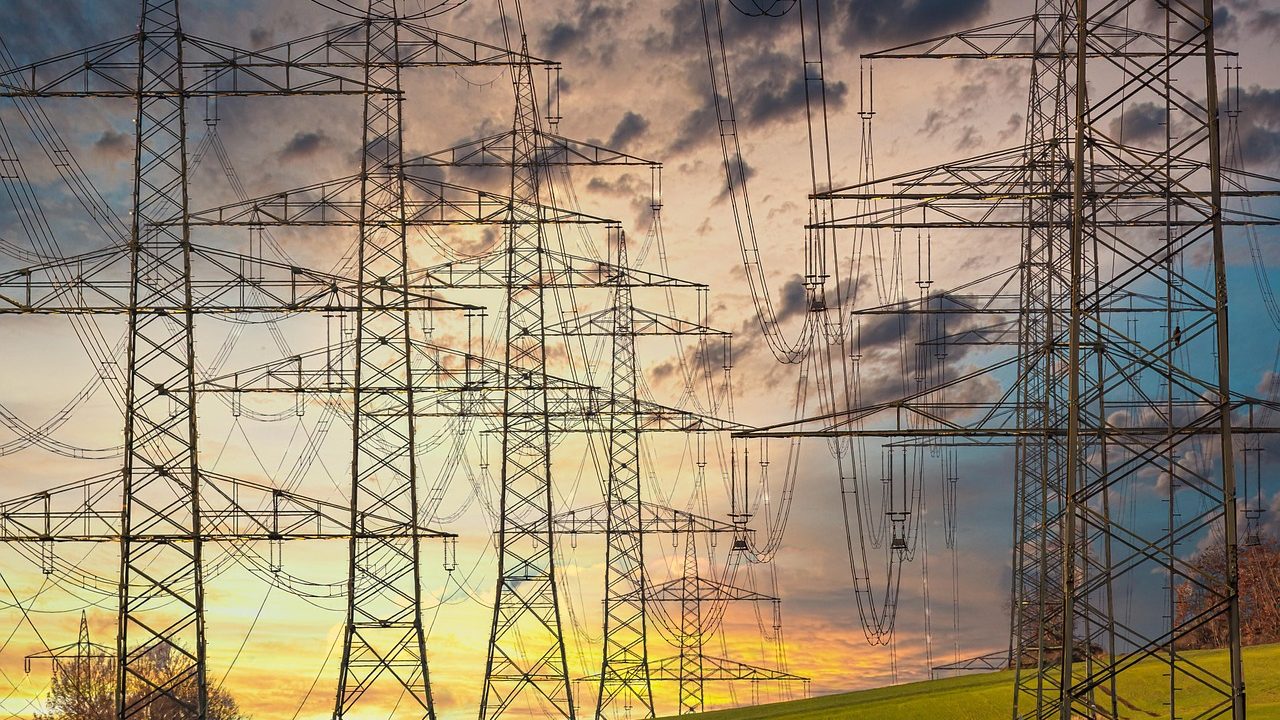
Infrastructure stress effects cascaded in ways the grid was not designed to absorb simultaneously. In New Hampshire, heat knocked out transformers at a nuclear plant site — an irony given that nuclear power is central to many decarbonization plans for its reliable baseload generation, but extreme heat creates operational challenges for plants that depend on water cooling. The broader Northeast corridor electrical grid was not engineered for continuous above-100-degree temperatures during peak cooling demand periods.
A counterpoint to the crisis narrative arrived in the form of electric school buses feeding power back to the grid through vehicle-to-grid technology during peak demand periods. Idle in summer, a standard electric school bus carries a battery pack in the range of 120 to 220 kilowatt-hours; a fleet of 100 buses can collectively discharge several megawatt-hours during a demand spike. The technology does not resolve the grid capacity problem, but it demonstrates how distributed battery storage embedded in the transportation fleet could become a meaningful grid resource as electrification scales. NASA, separately, launched a robotic spacecraft to boost the orbit of the Swift space telescope — a 22-year-old observatory studying gamma-ray bursts that would otherwise reenter the atmosphere and burn up — in what the agency described as the first attempt at this kind of operational life extension for an observatory.