Freedom Fuel, Firearms Conflicts, and the F-150's Forty-Year Reign Ends
How this was made Verified AI
Every Intellegix briefing is generated from that day's broadcast and run through automated checks before it publishes — with a human paged on any flag. Here is the trail for this edition.
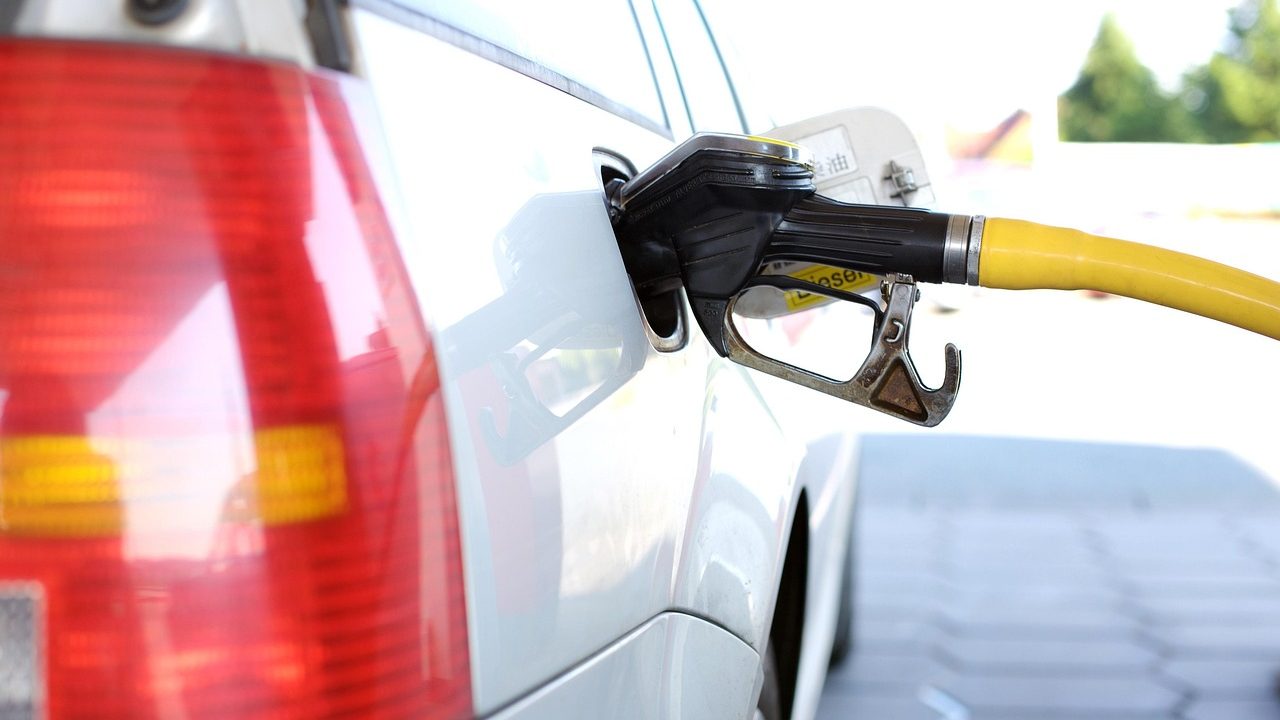
President Trump's 'Freedom Fuel' initiative brought price cuts to 25 Philadelphia-area gas stations Friday, as the administration publicly pressured retailers to pass along falling oil costs to consumers ahead of the July 4th weekend. Amazon Prime simultaneously offered a 50-cent-per-gallon discount at more than 7,500 BP and Amoco stations — a private loyalty subsidy landing in the same political space as presidential jawboning, though through an entirely different mechanism. The underlying commodity has dropped to four-month lows as oil flows through the Strait of Hormuz recover from the disruption caused by the Iran conflict, meaning market forces were already moving in the administration's favor regardless of the public pressure campaign.
The ATF's proposal to allow home delivery of firearms has drawn scrutiny because Donald Trump Jr. reportedly holds a stake in GrabAGun, a major online gun retailer that would directly benefit from the rule change. Current federal law requires gun transfers to go through a licensed dealer in the buyer's state; expanding home delivery would require either broadening who can conduct background checks or altering the background check requirements themselves. The overlap between the proposed rule and the financial interests of the first family makes evaluating the policy on its substantive merits considerably more difficult.
Trump's comments in the CNBC interview questioning whether capital gains taxes should apply to Bitcoin transactions generated significant attention in the cryptocurrency community. The IRS currently treats cryptocurrency as property, making every transaction a taxable event. Eliminating capital gains treatment for Bitcoin would remove a primary friction point for everyday adoption, though it remained unclear whether the remarks represented a formal policy signal or interview improvisation.
The Ninth Circuit upheld a Southern California ban on natural gas appliances in new construction in a 2-1 ruling, with the split suggesting the legal question is genuinely contested. The dissent presumably argues the local regulations are preempted by federal natural gas law — a question the Supreme Court may eventually weigh in on as California municipalities continue pushing toward building electrification.
Perhaps the most quietly significant domestic story of the day: the Honda CR-V overtook the Ford F-150 as America's top-selling vehicle in the first half of 2026, ending the F-150's run of more than 40 consecutive years at the top of the sales chart. The shift reflects changing buyer demographics, fuel prices, urban-suburban population balance, and reliability records. Though Honda is a Japanese company, significant CR-V production occurs at US plants. The White House separately announced the opening of 171 square miles of previously protected fishing grounds on Georges Bank — protected areas whose closure was based on stock-recovery assessments that, ecologists note, do not expire with a change of administration.