Birthright Citizenship Ruling Could Reshape American Identity
How this was made Verified AI
Every Intellegix briefing is generated from that day's broadcast and run through automated checks before it publishes — with a human paged on any flag. Here is the trail for this edition.
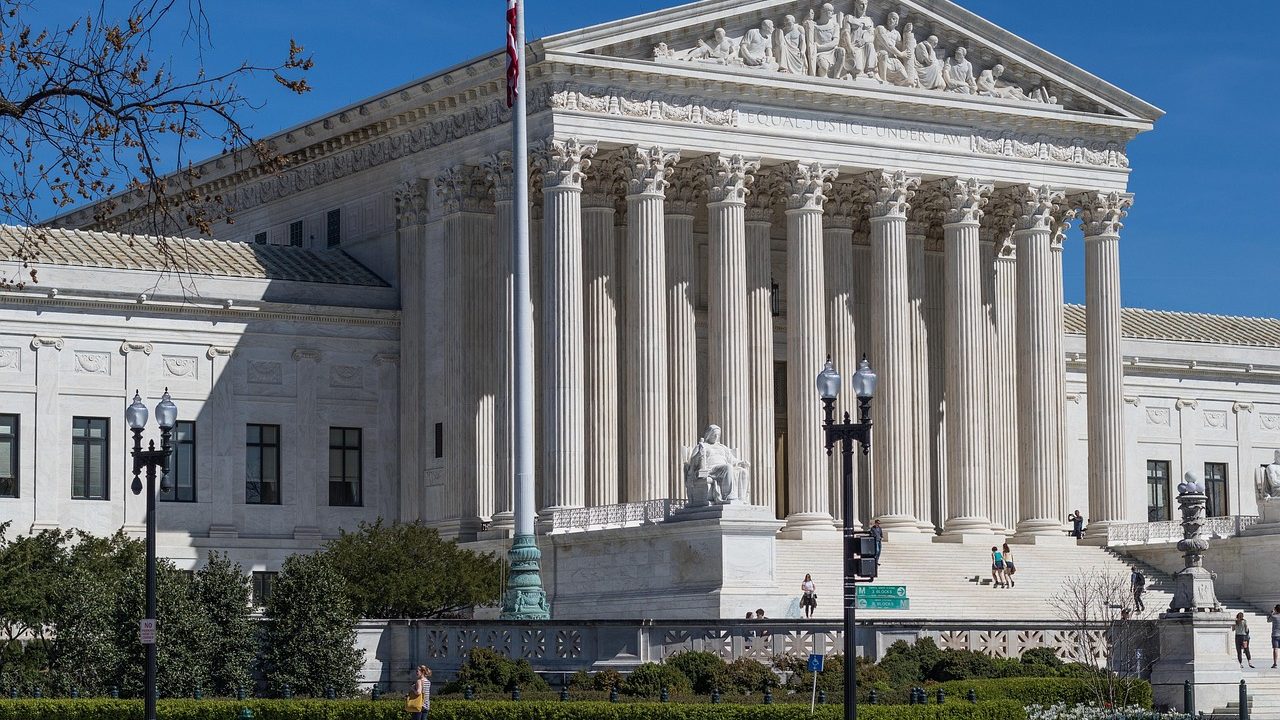
The Supreme Court is expected to issue its ruling imminently on President Trump's executive order challenging birthright citizenship — specifically the order attempting to deny automatic citizenship to children born on U.S. soil to parents without legal status. The case turns on the interpretation of the Fourteenth Amendment's citizenship clause, ratified in 1868, which grants citizenship to all persons born in the United States and 'subject to the jurisdiction thereof.' The administration argues that phrase excludes children of undocumented parents; more than a century of legal precedent, anchored by the 1898 case United States v. Wong Kim Ark, holds that birthright citizenship applies to virtually anyone born on American soil regardless of parental status.
The Court's ruling carries consequences beyond immigration policy. Several justices have signaled interest in whether a president can unilaterally reinterpret a constitutional amendment through executive action, or whether doing so requires congressional legislation. A decision upholding the order — even narrowly — could affect an estimated 150,000 to 200,000 births annually. A decision striking it down could reinforce limits on executive power to circumvent established constitutional interpretation. Either outcome will be immediately weaponized in the 2026 campaign cycle.
Several other domestic political developments are reshaping the landscape. Justice Neil Gorsuch issued a public warning that FCC investigations into ABC may be politically motivated — an unusual act of editorial commentary from a sitting justice that signals the Court may eventually confront First Amendment questions about regulatory capture of the press. A New York Times/Siena poll showing Democratic challenger Graham Platner leading Senator Susan Collins 49 to 47 in Maine has set off alarm bells at the National Republican Senatorial Committee, as Collins has been among the most durable moderate senators in that chamber. And both candidates in Pennsylvania's governor's race are trading accusations of flip-flopping on data centers, previewing an energy-and-land-use fault line expected to appear in at least a dozen state races this cycle.