Drones, Armed Tankers, and the Erosion of Battlefield Rules
How this was made Verified AI
Every Intellegix briefing is generated from that day's broadcast and run through automated checks before it publishes — with a human paged on any flag. Here is the trail for this edition.
Ukrainian drones have now struck eight of Russia's ten largest oil refineries — a systematic campaign against the deep-infrastructure assets that fund Moscow's military operations. Refineries are not frontline targets; they require months or years to repair, and Russia's oil export revenue remains the primary financial engine of its war effort. The strikes represent one of the fastest battlefield technology evolutions in modern military history, with a country that was defending its capital from armor columns in February 2022 now running sustained long-range campaigns against industrial facilities hundreds of kilometers inside Russian territory.
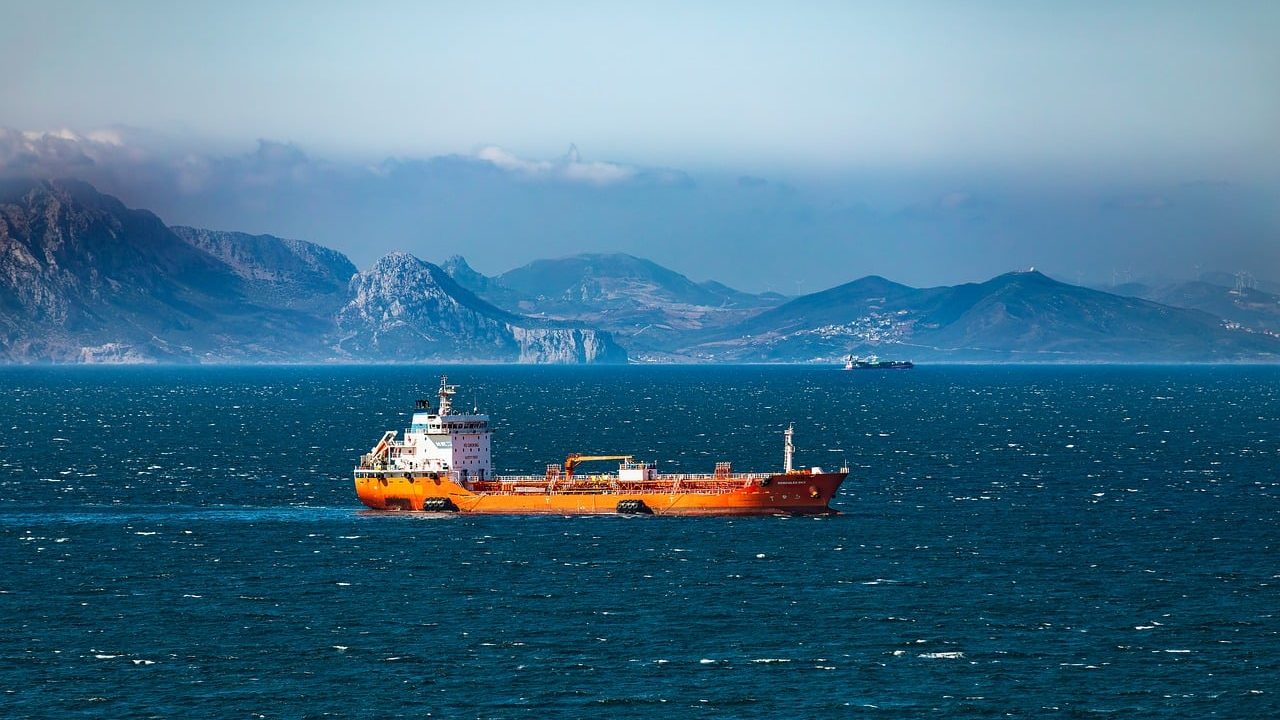
Russia's response on the Baltic Sea revealed a different kind of strategic anxiety. Surveillance photographs obtained by OCCRP show heavy machine guns mounted on a Gazprom LNG tanker supplying Kaliningrad, the Russian exclave surrounded by NATO members Poland and Lithuania that hosts Baltic Fleet assets. The apparent militarization of a commercial vessel suggests Moscow fears supply interdiction — and carries serious legal implications. Under international maritime law, arming a civilian ship blurs its protected status and potentially exposes it to different rules of engagement, while raising difficult questions for any port that might receive it.
NATO's competition seeking weapons capable of striking Russian airfields drew a sharp condemnation from Moscow, which called it 'provocative escalation.' The forceful objection itself suggests the concept is registering as a credible deterrent threat. On Russia's domestic front, Alexander Lunin — a veteran who went viral warning Vladimir Putin of an imminent military mutiny over soldier abuse — was convicted of displaying extremist symbols, an unambiguous message to anyone inside Russia's military contemplating public dissent. Yet the persistence of such videos, decentralized and harder to suppress than a single organized challenge, points to stress fractures that no official narrative can fully contain.