Before Anything Else: Three Firefighters Dead in Colorado
How this was made Verified AI
Every Intellegix briefing is generated from that day's broadcast and run through automated checks before it publishes — with a human paged on any flag. Here is the trail for this edition.
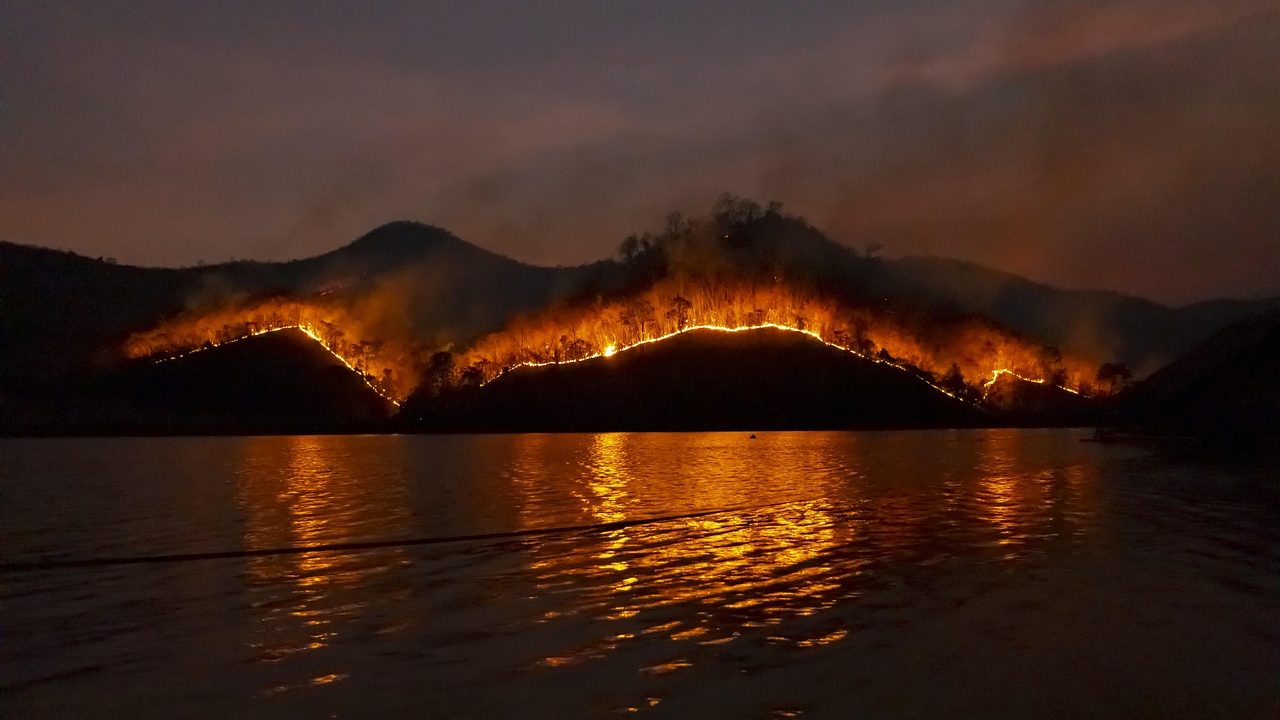
The deadliest wildfire event in the United States this year opened Sunday's news cycle not with geopolitics or market data, but with grief. Three firefighters were killed and two more hospitalized with burn injuries as the Snyder Fire burned 28,000 acres along the Colorado-Utah border with zero percent containment as of early Sunday morning.
Colorado Governor Jared Polis declared a disaster emergency and activated the National Guard — procedurally the right step, unlocking state resources and expediting contracting for additional air tankers and hand crews, while positioning Colorado to request federal major disaster designation if conditions deteriorate. But declarations cannot conjure water in an arid landscape or calm a wind-driven fire.
Zero percent containment on a fire of that scale signals that crews have been unable to establish any meaningful perimeter, a condition that points to extreme wind and fuel-load conditions. The terrain along the Colorado-Utah border — high elevation, dry canyon country, strong afternoon updrafts — is notoriously difficult for aerial suppression. When three firefighters die in a single incident, it almost always indicates an unexpected wind shift that cuts off escape routes, or a burnover in which fire overtakes a crew faster than they can deploy fire shelters.
The broader context is what fire managers have long warned about: the Western United States has accumulated an enormous wildfire debt from decades of suppression policy that allowed fuel loads to build across millions of acres. With July, August, and September — historically the peak months for large fire activity in Colorado and Utah — still ahead, the Snyder Fire could grow substantially before containment lines are established. Residents in Garfield and Mesa counties in Colorado and Grand County in Utah were urged to follow local emergency management directions.