House Paralysis, Supreme Court Tests, and the 2028 Field Takes Shape
How this was made Verified AI
Every Intellegix briefing is generated from that day's broadcast and run through automated checks before it publishes — with a human paged on any flag. Here is the trail for this edition.
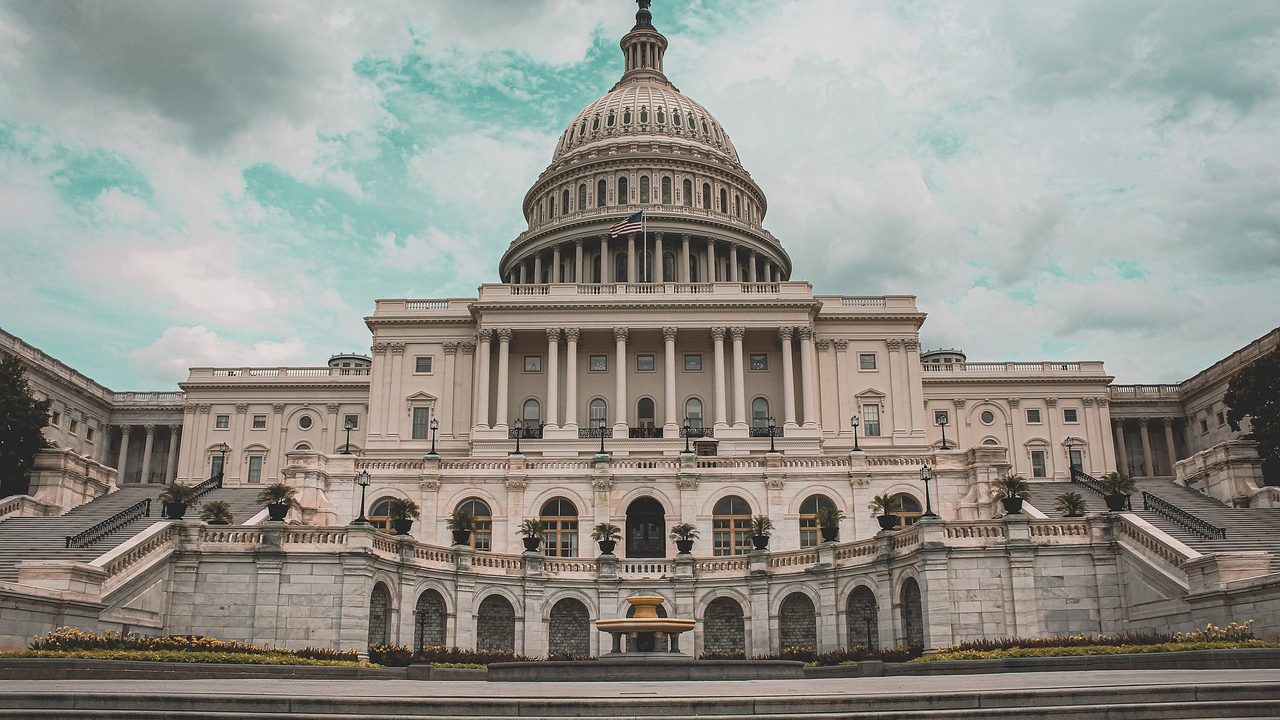
The SAVE Act standoff has frozen the House of Representatives, and the fault lines within the Republican coalition are now fully visible. Steve Bannon — once among Speaker Mike Johnson's most prominent supporters — publicly called Johnson an 'unmitigated disaster' this week. When the populist base's most prominent media voice turns actively against the sitting House speaker, passing legislation through a chamber where the ideological engine of the majority is working against leadership becomes structurally difficult.
The SAVE Act, which would require documentary proof of citizenship to register to vote in federal elections, has become entangled with a broader government funding fight at the same moment a federal judge blocked a USPS proposal to withhold mail ballots from states refusing to share voter data. Senate Democrats, led by Minority Leader Schumer, immediately sent letters demanding Trump officials preserve election records. The voter data fight is now metastasizing across the judiciary, executive agencies, and the legislative standoff simultaneously.
A separate intra-party pressure point emerged when a GOP senator moved to block Trump's $88 billion war funding request over hurricane relief — a member from a hurricane-vulnerable state effectively holding defense appropriations hostage to domestic disaster spending. The Supreme Court produced two significant rulings pulling in different directions: the Court halted fines against a reporter who refused to reveal a source, a meaningful intervention for press freedom in the absence of settled journalist privilege precedent, while the Trump administration separately asked the Court to sanction no-bond immigration detention — a ruling that, if granted, would effectively remove individualized bail hearings that lower courts have repeatedly required.
A public clash between Justices Alito and Sotomayor, characterized in official Court communications as a 'misunderstanding,' is itself an institutional story: public disagreements between justices almost never surface in official channels, and the Court's effort to manage the narrative reflects an institution actively protecting its legitimacy under significant strain. The Florida attorney general's move to arrest a Biden-commuted offender under state law is pushing toward an extraordinary constitutional confrontation — states claiming they can prosecute individuals whose federal sentences were commuted, a position that directly challenges Article II's grant of exclusive executive clemency power to the president.
On the 2028 horizon, Michigan State Police confirmed that an anonymous allegation about Pete Buttigieg being separated from his children was fabricated and politically motivated — a window into the environment awaiting any prospective candidate. Separately, polling shows Kamala Harris's lead in Democratic primary surveys has narrowed from its dominant position of six months ago, suggesting the field is beginning to form in earnest. Texas approving Bible readings for five million public school students will almost certainly face Establishment Clause litigation, with the outcome likely to hinge on the Supreme Court's current composition, which has been notably more receptive to religion-in-schools arguments since the 2022 Kennedy v. Bremerton ruling.