Ukraine Strikes Russia's Fourth-Largest Refinery as Diplomacy Hangs in the Balance
How this was made Verified AI
Every Intellegix briefing is generated from that day's broadcast and run through automated checks before it publishes — with a human paged on any flag. Here is the trail for this edition.
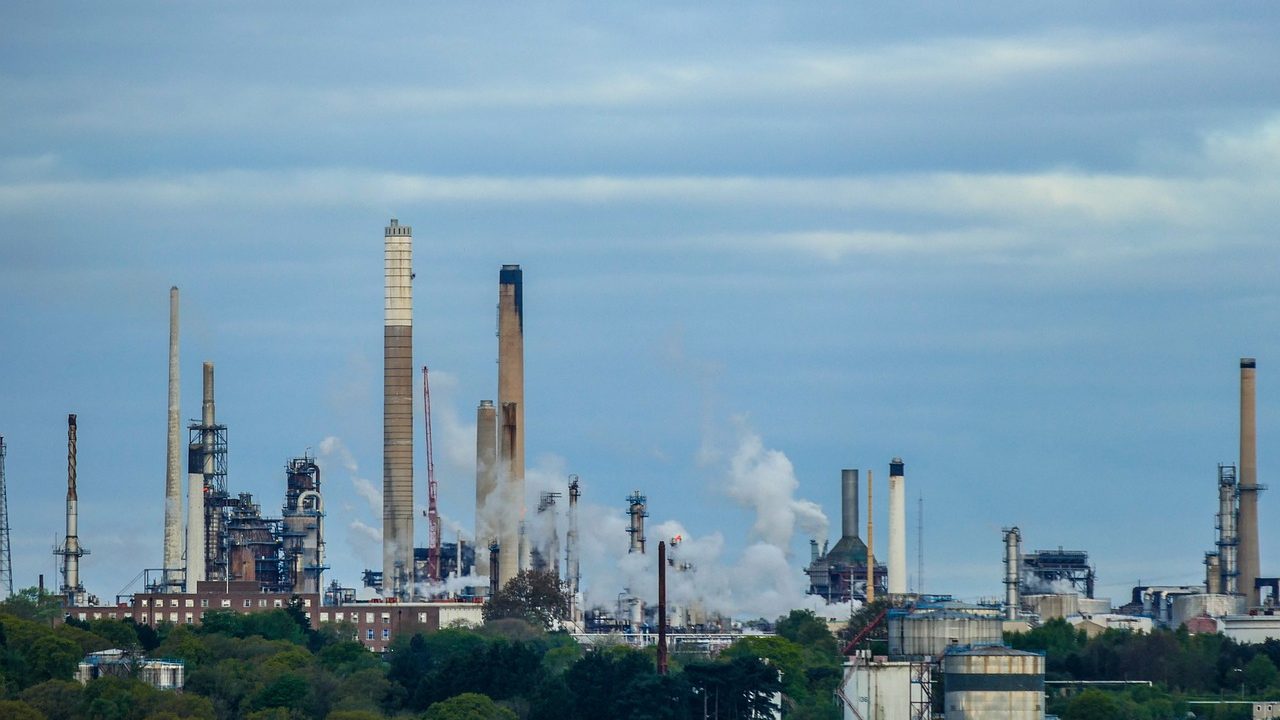
Ukraine this week conducted a drone strike that shut down Russia's fourth-largest oil refinery — a tactically meaningful blow to Moscow's ability to sustain mechanized warfare, which depends heavily on diesel and aviation fuel. Ukraine has been systematically targeting refinery infrastructure for over a year, and battlefield assessments suggest the cumulative effect is beginning to register in Russian logistics.
President Zelenskyy simultaneously issued a public call for Russia to negotiate, a carefully calibrated message aimed at multiple audiences: signaling flexibility to war-fatigued NATO allies in Western Europe, offering Moscow a face-saving diplomatic on-ramp, and reminding domestic audiences that the goal was always an acceptable peace rather than indefinite conflict. NATO offered the sobering counterweight, explicitly warning that Ukraine's window of opportunity will not remain open indefinitely — a reference to ongoing constraints on Western artillery ammunition production, which, while roughly tripling in Europe between 2023 and 2025, still falls short of active combat consumption rates.
Poland amplified the alarm, telling NATO's eastern flank to prepare for Russian escalation. Warsaw's warning carries particular weight: Poland spends more than four percent of its GDP on defense, the highest ratio in the alliance, and sits geographically between Russia and Western Europe. Belarus added a quieter but notable wrinkle, seeking a UN Security Council meeting over the Bryansk bus attack — an unusual act of independent diplomacy from a government that typically operates in Russia's shadow, possibly signaling some distance developing between Minsk and Moscow.
On Taiwan, China conducted military activity on the island's east coast — the Pacific-facing side, harder for Taiwan's defensive systems to engage and representing a capability expansion beyond routine Taiwan Strait signaling. The timing coincides with China's new ethnic unity law taking effect July 1st, which creates legal jeopardy for Taiwanese citizens on the mainland by potentially criminalizing their political views under Chinese domestic law. Western powers issued warnings over the east coast patrols, though meaningful economic leverage is constrained by the roughly 800 billion euros in annual bilateral EU-China trade.
In Latin America, Mexican President Sheinbaum told Colombia to handle its own cartel problem — a sharp rebuke from one leftist government to another and a reflection of Mexico's broader posture of rejecting external framing of its domestic security challenges, particularly as the Trump administration has used cartel designations as leverage in bilateral trade negotiations.