The 'Ceasefire' That Isn't: Iran and the U.S. Trade Blows in the Gulf
How this was made Verified AI
Every Intellegix briefing is generated from that day's broadcast and run through automated checks before it publishes — with a human paged on any flag. Here is the trail for this edition.
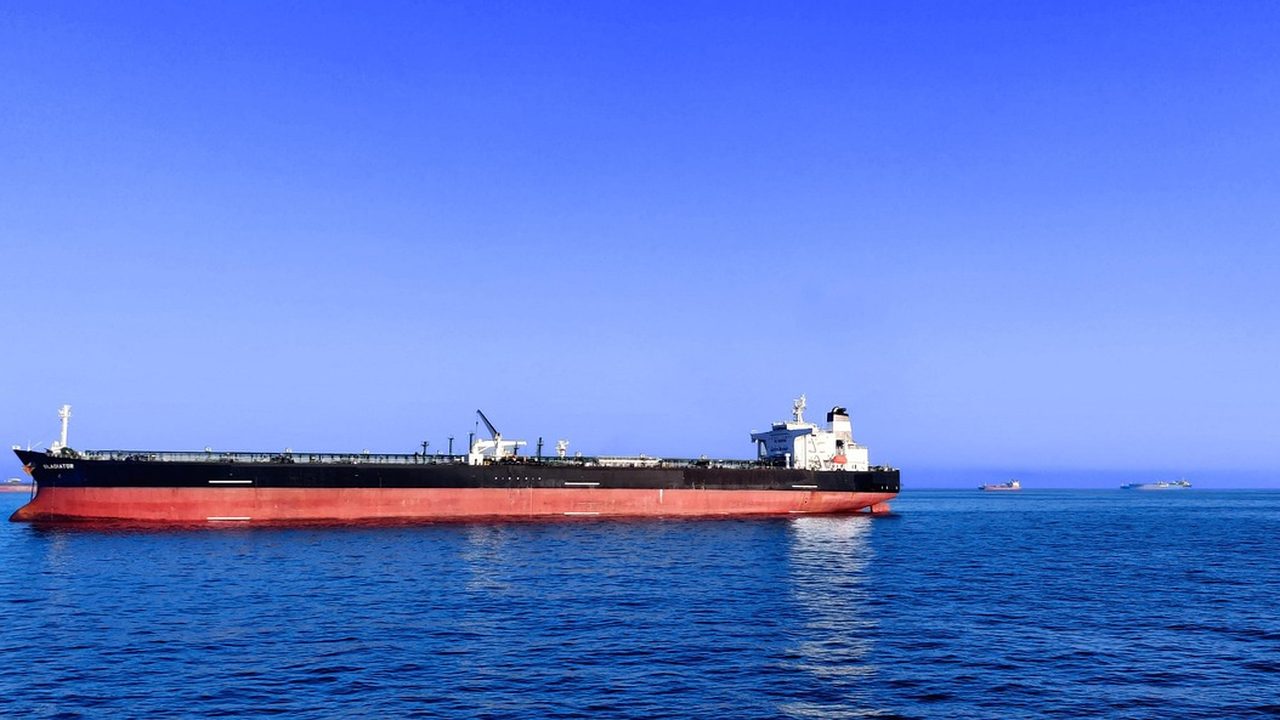
The Strait of Hormuz — roughly 21 miles wide at its tightest point and carrying nearly a fifth of the world's daily oil supply — is simultaneously a battlefield, a diplomatic fiction, and a commodity market stress test. Iran's Islamic Revolutionary Guard Corps claimed this week that it struck U.S. military positions in the Gulf in retaliation for American attacks, itself a response to an Iranian drone attack on a cargo ship that President Trump said violated the June 17th ceasefire. Multiple rounds of tit-for-tat exchanges later, the ceasefire exists largely on paper.
The Wall Street Journal reported that Iran's earlier strikes caused roughly $400 million in damage to a U.S. Navy base — a figure representing real capability degradation given that the entire U.S. Navy's annual surface ship maintenance budget runs approximately $3 to $4 billion. The central question now gripping Washington analysts is at what threshold this exchange stops being 'escalatory signaling' and triggers a formal military response that neither side has publicly authorized.
Compounding the danger is the unraveling of the very communication channel designed to prevent miscalculation. The IRGC publicly called the reported U.S.-Iran Hormuz hotline 'a complete lie' — even as Iran's own state media cited the deal's mediators confirming the channel exists. That internal incoherence is arguably more alarming than unified hostility: the U.S. cannot reliably de-escalate with an institution publicly repudiating its own government's diplomatic arrangements.
The historical parallel to Operation Earnest Will in the late 1980s is instructive. During that Tanker War phase of the Iran-Iraq conflict, operational confusion in a high-pressure environment with unclear rules of engagement led the USS Vincennes to shoot down Iran Air Flight 655, killing 290 civilians. Today's conditions — a nominal ceasefire neither side fully respects and publicly denied communication channels — recreate precisely that dangerous ambiguity.
Commodity markets are watching closely but have not yet panicked. Vitol is reportedly shipping stranded aluminum through the Strait even as the military exchange continues, suggesting traders currently assess disruption risk as elevated but not catastrophic. The Strait handles roughly 20 to 21 million barrels of oil per day; a sustained partial closure would stress European and Asian energy markets well before the IEA's collective reserve holdings — sufficient for perhaps 60 days of supply shortfall — could be meaningfully deployed, with price signals rippling through every energy-importing G20 economy long before physical shortages materialize.