SpaceX Slides from Its Peak as Merger Speculation and a Short-Seller's Warning Grow Louder
How this was made Verified AI
Every Intellegix briefing is generated from that day's broadcast and run through automated checks before it publishes — with a human paged on any flag. Here is the trail for this edition.
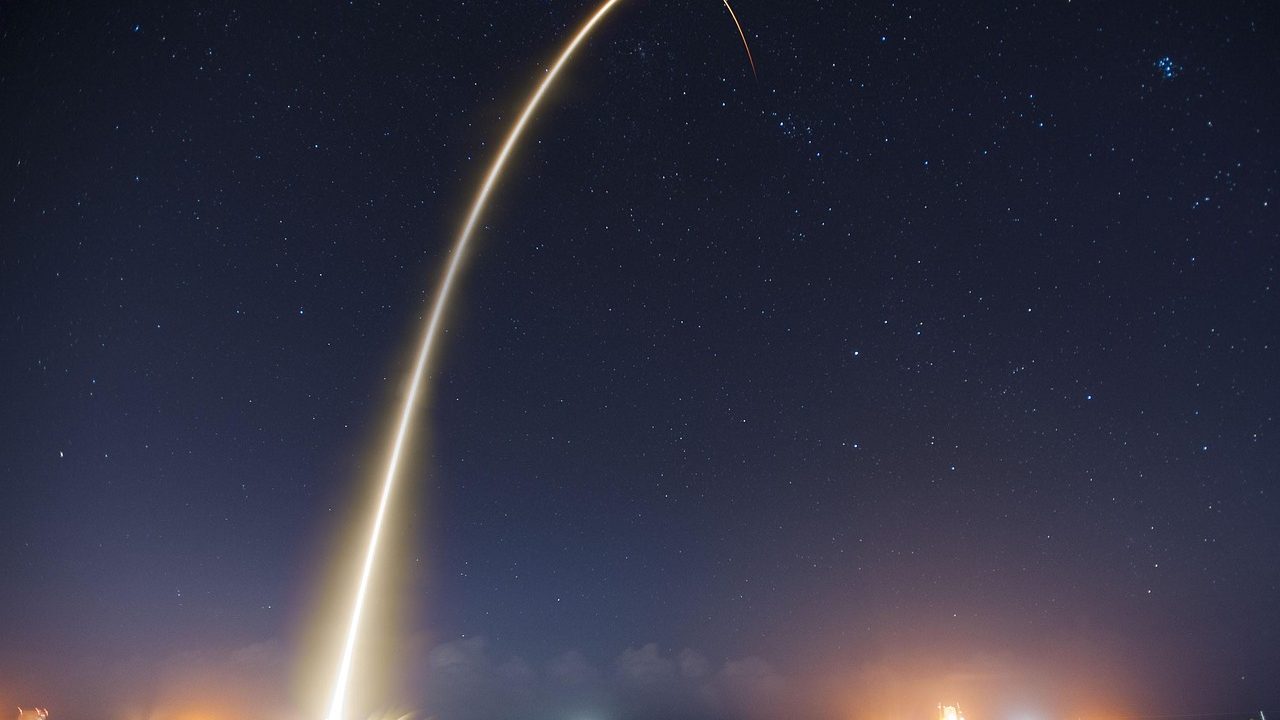
Ten days after SpaceX's June 12 IPO, the stock has shed more than 20 percent from its all-time high above $225, though it remains well above the $135 IPO price. The correction follows a familiar post-IPO pattern: institutional enthusiasm gives way to valuation arithmetic. At peak pricing, SpaceX was valued at roughly $350 billion — a figure that requires an enormous and sustained growth trajectory to justify, particularly in a segment where Starlink subscriber revenue, not rocket launches, is the real earnings engine.
The far more consequential question circulating in prediction markets and analyst notes is a potential SpaceX-Tesla merger. Some analysts are floating a combined entity valued at roughly four trillion dollars, which would make it the largest company on earth by market capitalization, exceeding Apple's current valuation of approximately three-point-two trillion. The strategic narrative — vertically integrating terrestrial electric transportation, satellite connectivity, and space access — is compelling for certain investors, though the operational realities are complicated by the Defense Department contracts and FAA oversight under which SpaceX operates.
On the Tesla product front, Full Self-Driving hardware has been spotted on a Tesla Semi for the first time. Semi has been in limited commercial delivery since late 2022, and adding FSD capability to the heavy truck platform opens the possibility of autonomous long-haul freight — an addressable market measured in hundreds of billions of dollars annually in U.S. logistics alone.
Veteran short seller Jim Chanos issued a warning that received less attention than it deserved. His argument is that the AI profit boom is masking a deferred depreciation problem: companies are booking revenue from AI services now, but the capital expenditure depreciation on the chips and data centers purchased over the past eighteen months — typically hitting in years three through five of an asset's life — has not yet appeared in earnings. Chanos compares the dynamic to the late 1990s telecom and internet infrastructure buildout, where companies showed strong earnings growth until a depreciation wave and overcapacity crash arrived simultaneously. Whether the analogy holds depends on whether AI revenue grows fast enough to offset what is coming.
Also briefly notable: Faraday Future, a company that has had more near-death experiences than almost any other startup in automotive history, is announcing a mobile manipulator robot debut at Automate 2026. The pivot toward robotics — rather than competing directly with Tesla and BYD in electric vehicles — at least places the company in a market with genuine current momentum.