Ukraine Fights on Three Fronts as Patriot Missile Deal Offers a Lifeline
How this was made Verified AI
Every Intellegix briefing is generated from that day's broadcast and run through automated checks before it publishes — with a human paged on any flag. Here is the trail for this edition.
The war in Ukraine is advancing on three simultaneous and strategically distinct tracks. Russian forces have pushed into Kostyantynivka, one of the last Ukrainian-held cities in the Donbas, a development that threatens Ukraine's entire eastern defensive architecture. These are not symbolic gains — Kostyantynivka functions as a logistical chokepoint whose loss would place enormous pressure on the broader regional defense.
Ukraine struck the Crimea Bridge again in what is at least the third major attack on the crossing since 2022. Each strike degrades Russian supply lines into occupied Crimea and signals that no piece of infrastructure behind the front line is permanently secure. The latest strike is reportedly causing significant disruption to ammunition and fuel movements onto the peninsula.
Running in parallel is an intensifying energy war. Russia launched strikes on Ukrainian energy infrastructure following what is described as a record Ukrainian attack on the Tyumen refinery inside Russian territory. Ukraine hitting a refinery in Siberia is not merely about output — it is a demonstration of reach into targets previously considered beyond risk, a development that alters the risk calculus for all Russian energy infrastructure.
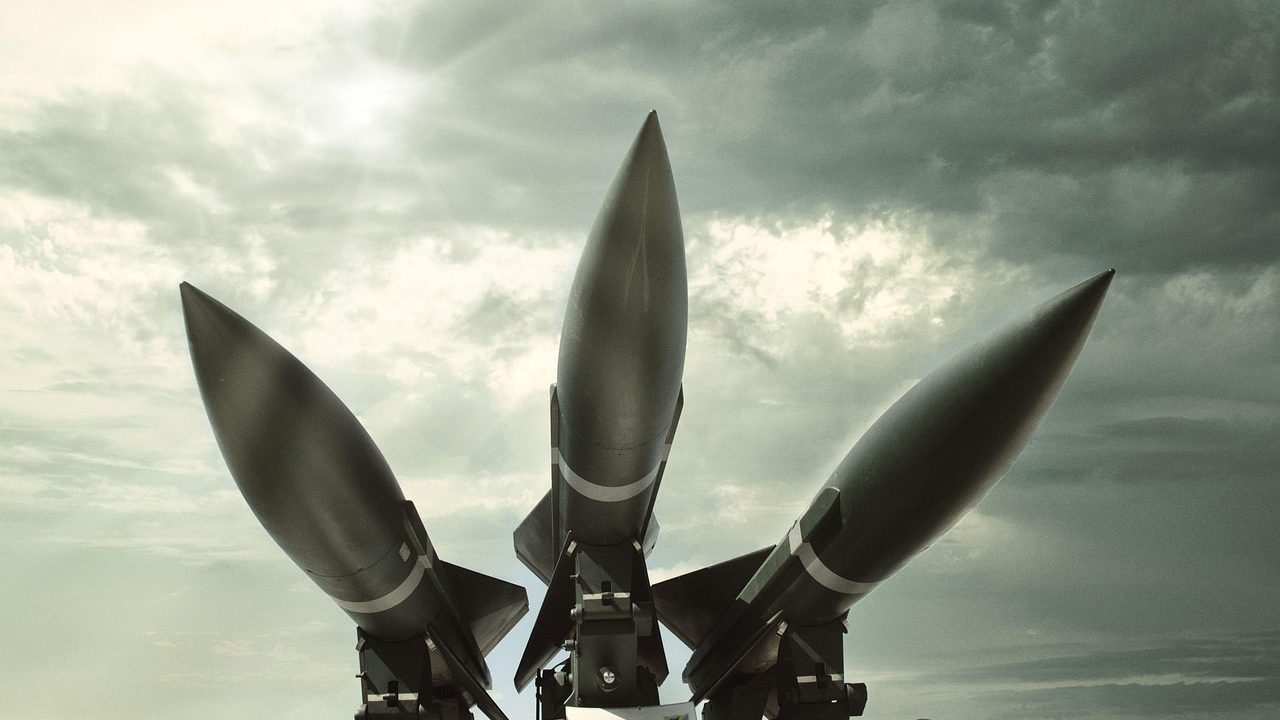
Against that backdrop, President Zelenskyy's agreement with Germany for 600 Patriot missiles represents the most concrete positive development for Ukraine in weeks. A single Patriot battery typically fires two to four missiles per engagement, and Ukraine has burned through air defense munitions faster than resupply has arrived for most of the past two years. Six hundred missiles, if delivered on schedule, would meaningfully extend Ukraine's defensive capacity through at least mid-2027. Zelenskyy also noted that Trump responded positively to the idea of licensing domestic Patriot production inside Ukraine itself — a shift that would move the country from dependence on foreign resupply toward its own defense industrial base.
Diplomatically, Zelenskyy's public comparison of Poland's newly elected president, Karol Nawrocki, to Viktor Orbán — over a medal dispute — is less a sideshow than it appears. Poland has been among the most critical transit and logistics hubs for Western military aid, and Nawrocki has signaled more skepticism toward Ukrainian refugee integration and EU solidarity than his predecessor. Using the Orbán comparison as a deliberate insult within European political discourse reflects how seriously Kyiv regards Polish political alignment. Meanwhile, a senior Kremlin aide stated plainly that Russia seeks victory, not a negotiated deal — a direct rebuke of the diplomatic shuttle diplomacy being floated in Washington.