Texas, New York, and South Carolina Test the Shape of 2026 Politics
How this was made Verified AI
Every Intellegix briefing is generated from that day's broadcast and run through automated checks before it publishes — with a human paged on any flag. Here is the trail for this edition.
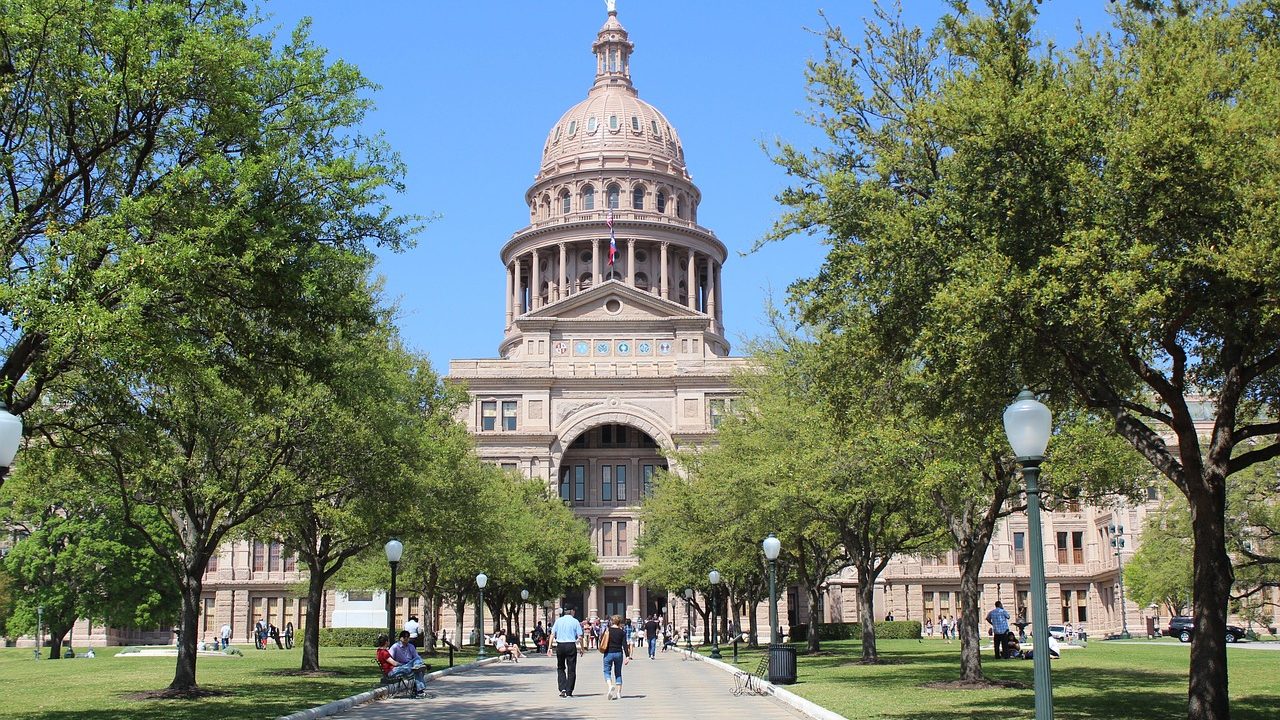
Democratic Senate nominee Talarico in Texas is absorbing attacks from both President Trump and Republican opponent Ken Paxton while deliberately refusing to engage the culture war framing his opponents are offering. His response — dismissing the attacks as 'corny nicknames' and pledging to focus on affordability — reflects a calculated bet that economic anxiety over housing costs, energy bills, and healthcare expenses will outweigh culture war activation in a high-turnout environment. Texas's major metro areas have shifted the demographic landscape enough that analysts consider a statewide Democratic path plausible, making Talarico's strategic choice a meaningful test of that hypothesis.
New York City primaries are drawing thirty million dollars in spending and functioning as a stress test of Zohran Mamdani's organizational influence within progressive politics. Separately, JFK grandson Jack Schlossberg is engaged in a fifty-six million dollar battle in the NY-12 primary — a contest that has become a proxy fight between the legacy-brand model and the activist infrastructure model for what kind of Democrat should represent a heavily Democratic district. National donors across multiple wings of the party have decided both races are worth investing in.
President Trump's endorsement of both Pamela Evette and Republican opponent Alan Wilson in South Carolina's GOP gubernatorial runoff — endorsing both candidates in a two-person race — drew attention for its political novelty. The dual endorsement provides no directional signal to voters and follows Trump-backed candidates losing in Iowa and Georgia, suggesting the move is aimed at preserving the appearance of political relevance while hedging against further embarrassment.
In Washington, a Senate panel is moving toward a vote to block the transfer of special education oversight from the Department of Education to the Department of Health and Human Services. Advocates for disabled children argue the transfer risks diluting specific legal protections under the Individuals with Disabilities Education Act. Bipartisan Senate resistance would represent a significant check on the administration's broader agency reorganization plans.
A Gallup finding that fewer than half of Americans now believe everyone can achieve the American Dream carries deep political implications. Dropping below 50 percent on that metric describes a country where a majority views the system as structurally exclusionary rather than merely individually challenging — a belief shift that analysts say fuels political disruption across the ideological spectrum.