Kerch Port Strike Halts Crimea's Fuel Sales as Assassination Charges Land in Poland
How this was made Verified AI
Every Intellegix briefing is generated from that day's broadcast and run through automated checks before it publishes — with a human paged on any flag. Here is the trail for this edition.
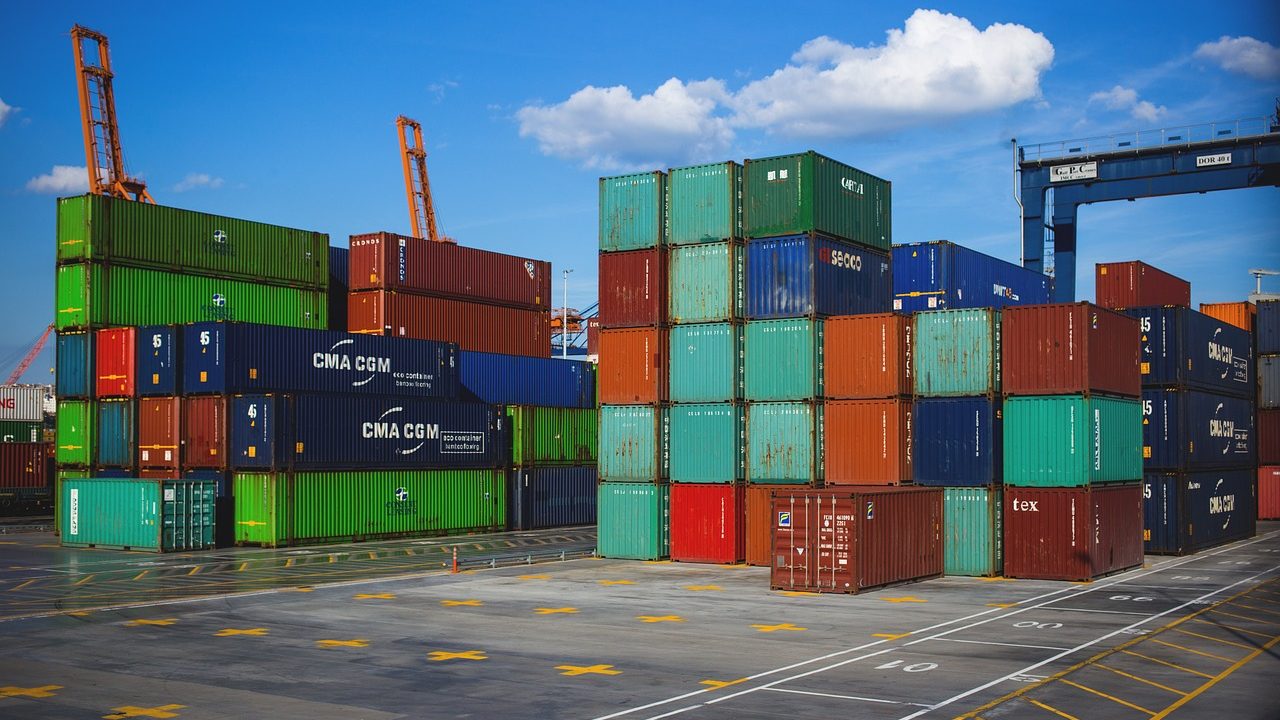
A Ukrainian strike on Kerch port in Crimea produced an immediate and striking consequence: Russian-occupied Crimea halted all public fuel sales. The stoppage — not a restriction but a complete halt — underscores how dependent the peninsula is on the Kerch logistics node, which serves as a primary resupply artery for both military operations and civilian energy supply. The strike forces Russian commanders into emergency allocation decisions about whether scarce fuel flows to military vehicles or civilian gas stations.
The strategic logic is one of sustained pressure through logistics rather than direct territorial engagement. Fuel shortages ripple through heating, farming, and commerce, degrading civilian morale in a territory Russia has sought to win over since its 2014 annexation. The operation fits a broader pattern: NATO and Ukraine are separately offering up to €250,000 through an innovation challenge for technologies that can persistently — not merely temporarily — disable enemy airfield infrastructure and aviation assets.
Russian drones struck the Mondelez factory in Ukraine for the second time this year, a reminder that economic targets remain firmly in Russia's crosshairs. Hitting a consumer goods factory rather than a military installation serves dual purposes: strategic supply disruption and a signal to foreign businesses still operating in the country.
In a story receiving less attention than its significance warrants, Polish authorities charged a Georgian citizen in the killing of Putin critic Skrepetsky on Polish soil. The use of a foreign intermediary is consistent with how intelligence services say these operations are typically structured — building in layers of deniability while delivering a message to the broader dissident community. The charge lands against a backdrop of Wall Street Journal reporting detailing an Iran-Russia-North Korea sanctions evasion architecture involving shell companies, dark-fleet tankers, and Chinese financial channels spanning more than a thousand sanctions designations.
The Chinese banking infrastructure enabling Russian and Iranian economic survival represents a structural alignment that analysts warn will not unwind quickly even if diplomatic conditions change — a complication for any Western strategy that assumes sanctions pressure remains effective as a tool of coercion.