Hormuz Open, But Asian Refiners Are Not Rushing Back
How this was made Verified AI
Every Intellegix briefing is generated from that day's broadcast and run through automated checks before it publishes — with a human paged on any flag. Here is the trail for this edition.
Israeli Prime Minister Benjamin Netanyahu ordered his forces to halt strikes in southern Lebanon following an intense exchange with Hezbollah that threatened to destabilize the fragile US-Iran peace framework the Trump administration has been constructing. Crucially, Netanyahu refused to order a troop withdrawal — leaving the underlying military posture unchanged and the cease-fire dependent on Hezbollah's willingness to accept an asymmetric standoff.
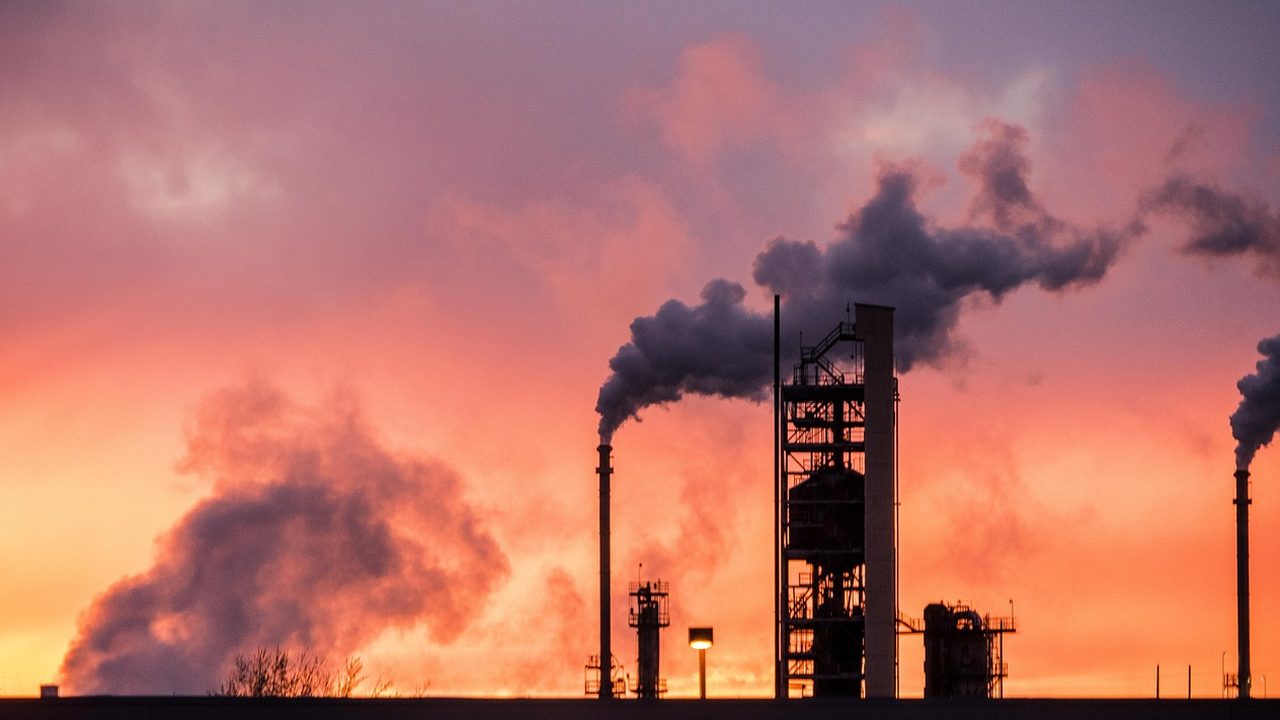
The diplomatic pause carries direct economic consequences. Despite the Strait of Hormuz reopening after the Iran conflict, Asian refiners in South Korea, Japan, China, and India are hesitating to rush back to Gulf crude. The reluctance reflects a mix of price uncertainty, alternative supply contracts locked in during the disruption, and a structural shift in how refiners weigh supply reliability. The lesson many are internalizing is diversification, not opportunism.
Economists are warning that the US-Iran deal will not quickly unwind the inflation already embedded in global supply chains. Cost increases absorbed during the conflict have become structural price levels for producers and retailers; a ten-dollar drop in Brent crude does not automatically lower goods on store shelves. Climate advocacy group 350.org released analysis claiming the Iran war channeled three hundred and seventy-four billion dollars into the fossil fuel industry through emergency contracts, strategic reserve replenishment, and accelerated extraction.
The World Economic Forum's Energy Transition Index 2026, which reported record global clean-energy investment of $3.3 trillion, simultaneously warned that geopolitical shocks are fragmenting the transition. The Iran disruption has accelerated some renewable adoption as utilities hedge against fossil fuel volatility, while simultaneously pulling enormous capital back toward conventional energy security — two countervailing forces operating in parallel.
Vice President JD Vance moved Sunday to urge GOP critics to support the fourteen-point Iran memorandum, dismissing President Trump's own 'fall guy' comment and calling the agreement a win-win. The fact that Vance was performing public clean-up duty on a Sunday suggested internal administration tensions over how to frame the deal remain unresolved.