A Depleted Oil Reserve, a Million Lost Jobs, and a Labor Movement at a Crossroads
How this was made Verified AI
Every Intellegix briefing is generated from that day's broadcast and run through automated checks before it publishes — with a human paged on any flag. Here is the trail for this edition.
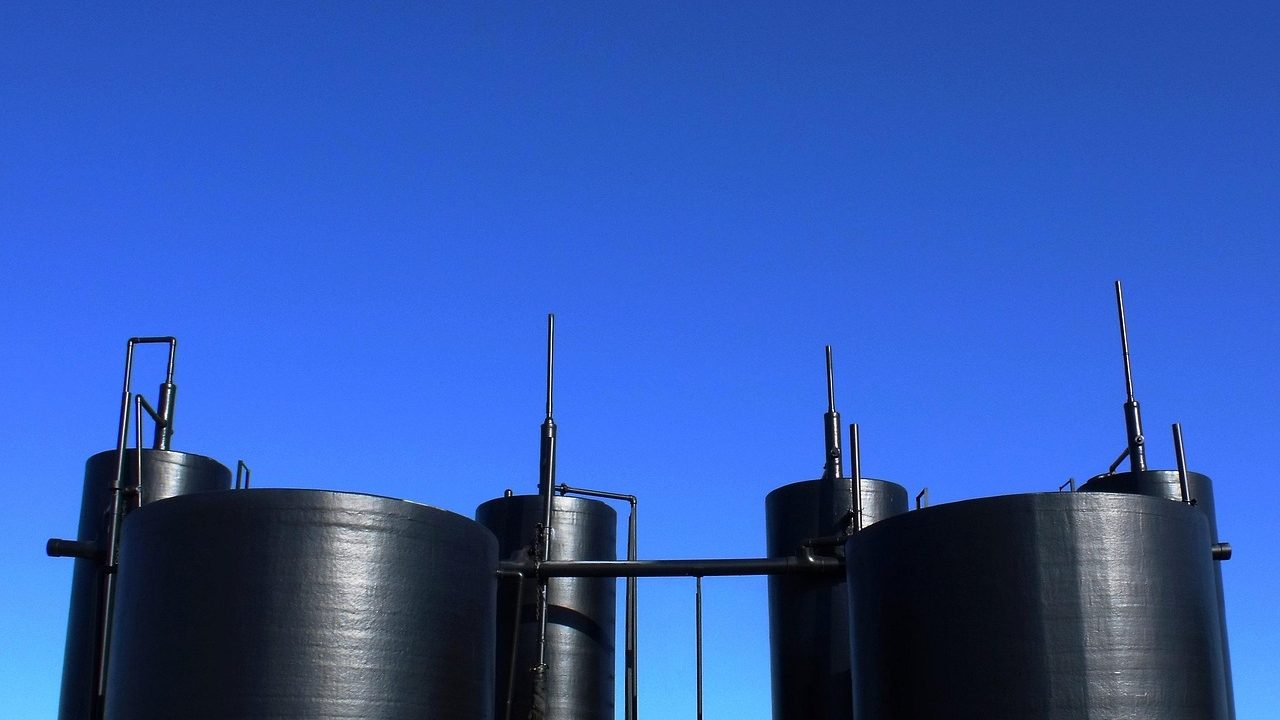
The US Strategic Petroleum Reserve's decline to 340.3 million barrels — its lowest level since 1983 — is drawing fresh scrutiny. Built after the 1973 oil embargo as an emergency buffer, the reserve is being drawn down at roughly 8.9 million barrels per week to manage supply disruptions from the Iran conflict. The precedent most cited is the 2022 drawdown during the post-Ukraine-invasion oil price spike, when roughly 180 million barrels were released over several months. That action left the reserve at levels already debated as too low; the current trajectory continues the depletion, raising the policy question of when an emergency stockpile becomes too depleted to handle a true supply shock.
A report from a think tank founded by former Vice President Pence — a conservative-aligned organization — claims that Trump-era tariffs suppressed 1 million jobs. The figure is a counterfactual estimate, with the methodological complexity that implies, but the directional argument is mainstream economics: tariffs increase costs for domestic manufacturers who use imported inputs. The source carries particular significance; when Republican-affiliated institutions criticize Republican tariff policy on employment grounds, the argument lands differently than identical criticism from the political left.
Elon Musk pushed back this week against claims that government support built Tesla, arguing that continued sales growth after federal EV tax credits expired demonstrates the company does not depend on subsidies. The argument holds on its own terms but sidesteps a more specific question: whether Tesla would have survived long enough to reach self-sufficiency without the early-stage support — Department of Energy loans and federal EV buyer credits — that provided runway during a period when the company was genuinely at risk of failure. Whether it needs subsidies now and whether it would have survived to not need them are different questions.
UAW president Shawn Fain is seeking a second term as the union's Detroit convention opens, testing whether members credit his aggressive 2023 strike strategy — which won significant wage increases from Ford, GM, and Stellantis — with delivering tangible gains. A bipartisan bill targeting Buy America rules that slow affordable housing is moving separately, with lawmakers from both parties acknowledging that domestic content requirements, however well-intentioned, add cost and time to construction in the middle of a housing affordability crisis. Microsoft, meanwhile, shuttered Compulsion Games — the studio behind 'We Happy Few' and 'South of Midnight' — laying off 90 employees as the company continues rationalizing its gaming portfolio following the Activision Blizzard acquisition.