Primary Day, Social Security Pushback, and a FOIA Fight Over the Kirk Killing
How this was made Verified AI
Every Intellegix briefing is generated from that day's broadcast and run through automated checks before it publishes — with a human paged on any flag. Here is the trail for this edition.
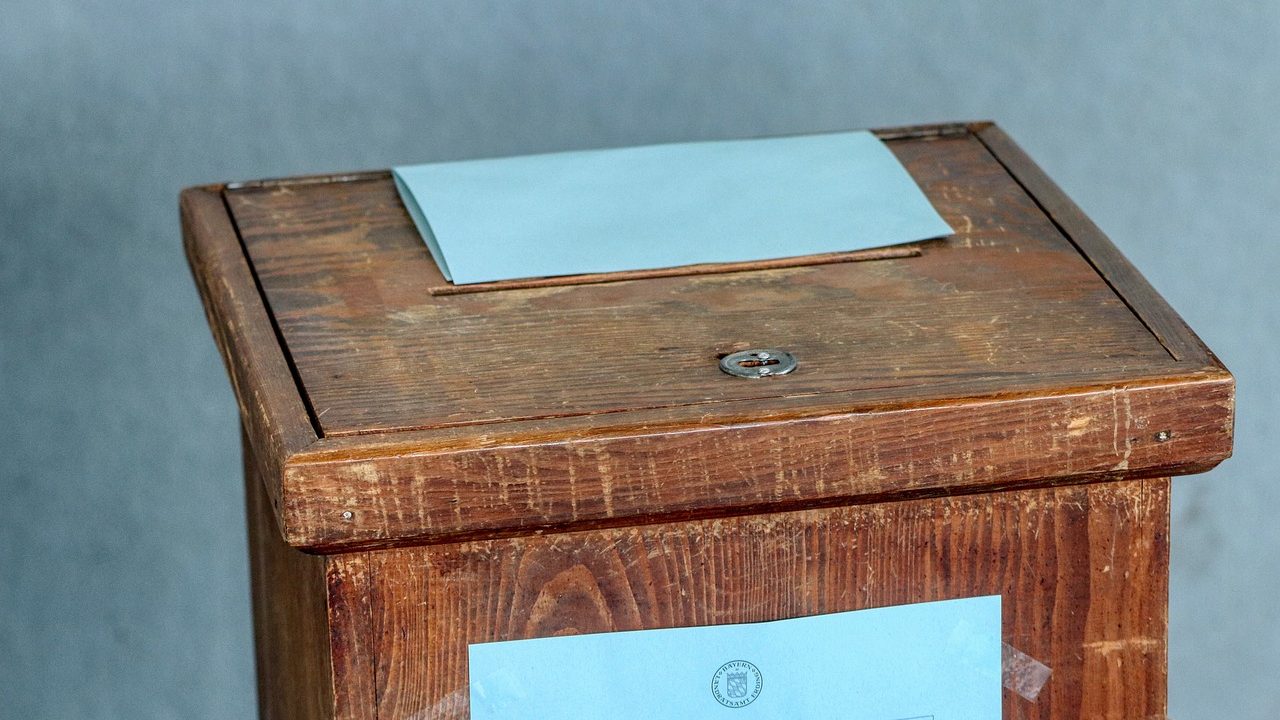
Georgia Republicans are holding runoff elections for both Senate and governor on Tuesday, consequential contests for a state that became a genuine battleground after Democrats swept both Senate seats in the 2021 runoffs. The primary outcomes will determine whether the GOP consolidates behind strong candidates heading into November or remains fractured. Oklahoma is simultaneously voting on governor and Senate primaries alongside a ballot measure that would double the state minimum wage from $7.25 to $15 — a test of whether economic populism on wages can prevail in deeply conservative political territory. Several red states have passed minimum wage increases through ballot initiatives in recent cycles, often outperforming Republican candidates in the same elections.
California's 14th Congressional District is holding a special primary to fill the seat vacated by Eric Swalwell, who resigned in April amid sexual assault allegations. Eleven candidates are competing, making a runoff almost certain in the lower-turnout special election format. The district, covering parts of the East Bay, has been a reliably Democratic seat, but the crowded field creates the possibility of unexpected primary-round outcomes.
Speaker Johnson's push on Social Security reform is generating pushback from within his own caucus — a politically significant development given that the program is widely described as the third rail of American politics. Republicans in vulnerable districts are resisting, reflecting the electoral mathematics of a 2026 cycle where cutting or restructuring the most universally used federal program carries obvious risks. Jay Clayton, nominated for Director of National Intelligence, faces a confirmation hearing on Wednesday; his financial regulatory background as former SEC chair under Trump's first administration will likely be a central focus as senators probe whether that experience translates to leading the intelligence community.
The FBI's rejection of a FOIA request from Candace Owens seeking Kash Patel's travel records before the Charlie Kirk killing carries several layers. The Bureau's refusal suggests either that the records fall under ongoing investigation exemptions or that releasing them would fuel political controversy during an active investigation. Owens, who has her own fraught history with Kirk, has been pursuing the records through formal channels. Separately, Governor Newsom is publicly claiming Trump ordered a DOJ probe into him, though reporting indicates the relevant investigations predate the current administration — a framing dispute both sides have incentives to sustain as Newsom's positioning for a potential 2028 presidential run becomes increasingly apparent.