SpaceX at $2.8 Trillion: What the Largest US IPO in History Actually Means
How this was made Verified AI
Every Intellegix briefing is generated from that day's broadcast and run through automated checks before it publishes — with a human paged on any flag. Here is the trail for this edition.
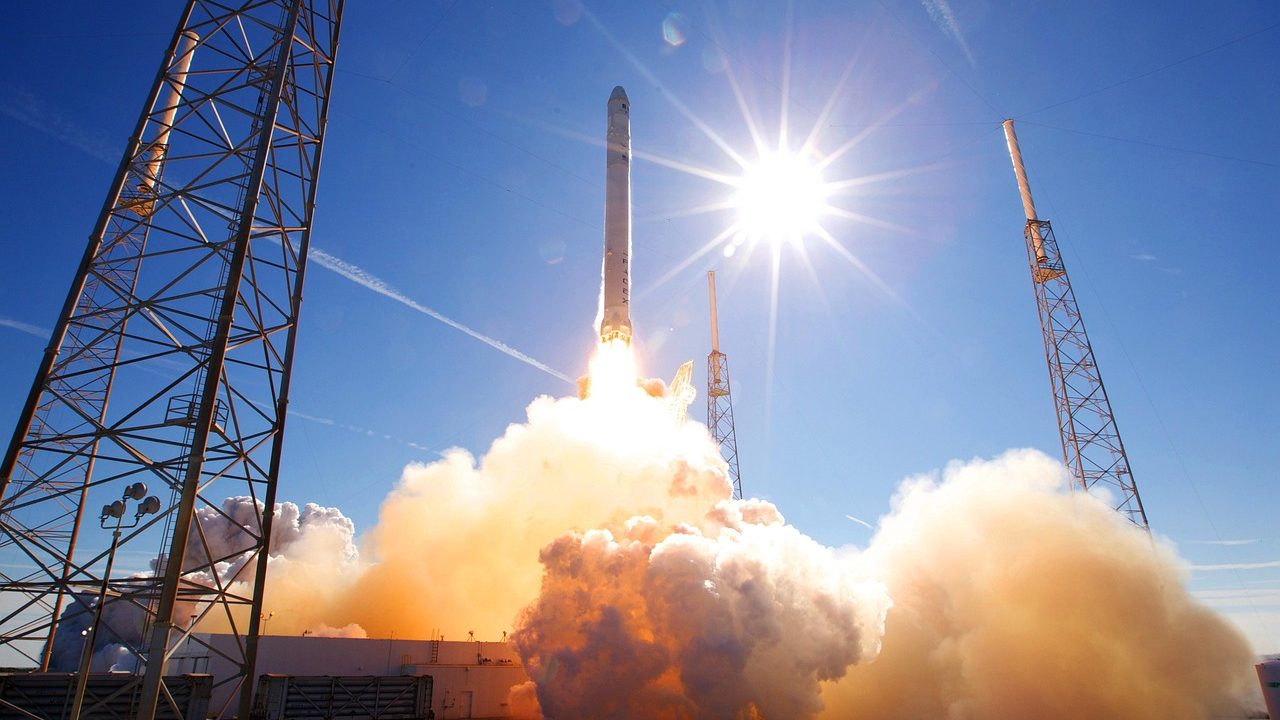
Four days after its historic debut — described as the largest US IPO on record — SpaceX reached a market capitalization of nearly $2.8 trillion in Tuesday premarket trading, a 50% gain in three sessions that pushed the company past Amazon in market value. Options trading launched Tuesday, introducing the mechanics that analysts are warning could generate a gamma squeeze: as traders buy call options betting on further gains, market makers hedge by purchasing the underlying shares, pushing prices higher, making more options profitable, triggering yet more hedging purchases in a potentially self-reinforcing loop.
The fundamental valuation arithmetic is striking. Amazon — the company SpaceX just surpassed — generates roughly $575 billion in annual revenue. SpaceX's last reported annual revenue was estimated somewhere in the $15 to $20 billion range. Paying Amazon-scale valuations for a company with approximately 3% of Amazon's revenue requires assumptions about an almost vertical growth trajectory, driven by Starlink's more than 7 million global subscribers, Falcon 9 commercial launches, Starship development contracts, and government defense and NASA work. Some serious analysts believe that trajectory is realistic; others consider it speculative overreach.
The IPO's most consequential signal may be structural rather than specific to SpaceX. By demonstrating that private-market unicorn valuations can survive public market scrutiny — and then some — SpaceX has given bankers and boards at other high-profile private companies confidence to pursue their own debuts. Analysts are now characterizing the listing as clearing the runway for OpenAI and Anthropic to go public, a claim that carries weight even if those companies' revenue profiles differ substantially from a business built around physical rockets and satellite infrastructure.
On the same morning its stock was generating Wall Street euphoria, SpaceX's Cargo Dragon capsule was undocking from the International Space Station — a simultaneity of financial spectacle and actual space operations that captures something genuine about where the company sits. Nvidia, meanwhile, launched its first bond sale since 2021, seeking $20 billion across seven tranches. The fact that a company with a market capitalization above $3 trillion is raising debt at scale reflects the broader institutional appetite for AI-linked exposure in any investable form. Separately, a World Gold Council survey found a record share of central banks plan to increase gold holdings — two very different reads on global financial confidence coexisting in the same week.