Ukraine Hits Moscow's Fuel Heart, Signaling Escalation Has Become Routine
How this was made Verified AI
Every Intellegix briefing is generated from that day's broadcast and run through automated checks before it publishes — with a human paged on any flag. Here is the trail for this edition.
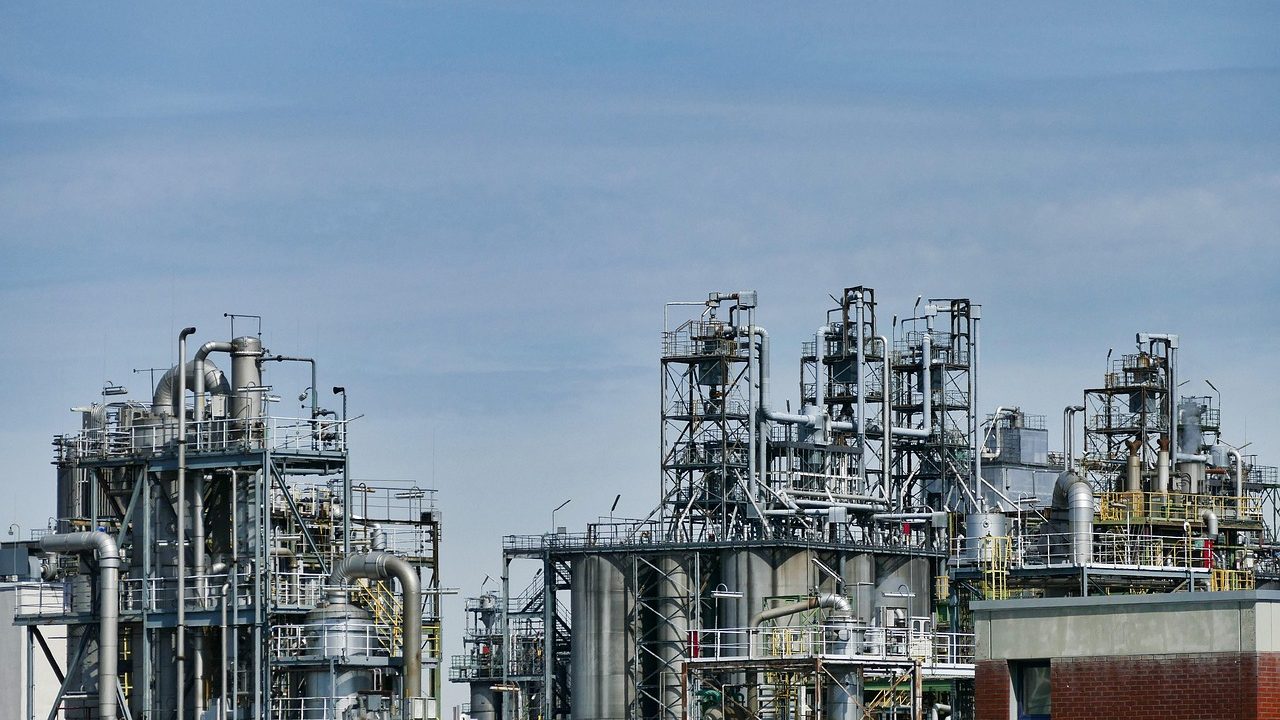
Ukrainian drones struck the Gazprom Neft refinery in Moscow's Kapotnya district in the early hours of Tuesday, targeting the Russian capital's primary oil processing facility — a site that sits within Moscow's own administrative boundaries and supplies fuel the city depends on daily. The choice of target reflects a deliberate strategic calculus: Kyiv has concluded that striking Russian energy infrastructure inside Russia itself is both legitimate and sustainable, mirroring Moscow's sustained campaign against Ukrainian power plants, heating stations, and grid substations throughout the war.
What was once unthinkable has become, in the words of close observers, almost unremarkable. A drone strike inside Moscow would have dominated global coverage for a week not long ago; on Tuesday it ranked as one of twelve major headlines. The escalation ladder has been climbed so gradually that each new rung barely registers. Yet the military logic is coherent: Ukraine is attempting to impose symmetric costs on an adversary that has made energy infrastructure a primary instrument of war.
The timing was almost certainly not accidental. President Zelenskyy was in Puglia, Italy, joining G7 discussions as trade and war pressures converged. Hitting a Moscow refinery the morning of those talks served as a signal to Western partners that Ukraine retains offensive capability and strategic initiative — a message with particular weight at a moment when the Iran situation and domestic political pressures in the United States are crowding the alliance's agenda.
The economic dimension compounds the pressure. The US Strategic Petroleum Reserve has fallen to 340.3 million barrels — its lowest level since 1983 — driven partly by an 8.9-million-barrel weekly drawdown tied to disruptions from the Iran conflict. Two simultaneous theaters of conflict are now straining global energy supply chains, and the Kapotnya strike, even if production disruption proves temporary, adds psychological weight to markets already on edge.
Germany's military posture underscores how seriously European defense establishments are reading the moment. Luftwaffe chief Lieutenant General Holger Neumann stated publicly this week that the German Air Force is ready to 'fight tonight' against Russia if Moscow attacks any NATO member. The bluntness is historically striking from a country that has spent decades deliberately restraining its military rhetoric. The statement reflects NATO's deterrence strategy — adversaries must believe the alliance will respond, not merely that it might — and arrives alongside Germany's significantly increased defense spending, a longstanding sore point in transatlantic relations that the Trump administration pressed hard.