Knicks End Decades of Drought, but Championship Night Turns Violent
How this was made Verified AI
Every Intellegix briefing is generated from that day's broadcast and run through automated checks before it publishes — with a human paged on any flag. Here is the trail for this edition.
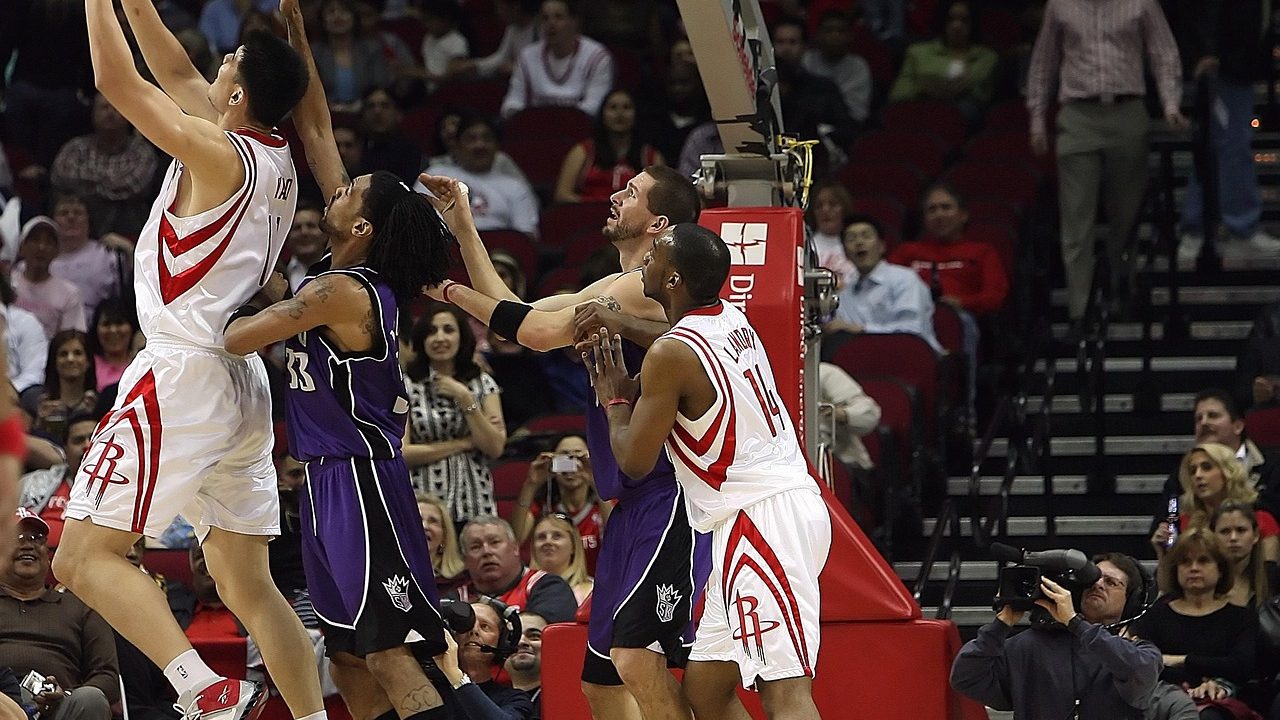
The New York Knicks' championship victory created a cultural moment that extended well beyond basketball — and quickly beyond celebration. A teenager was shot and 63 people were arrested during the title festivities, illustrating the complex relationship between sports triumph and urban security challenges that city officials must manage in real time.
Mayor Mamdani drew attention for his reaction to viral Knicks chants following the win, navigating the balance between embracing the city's enthusiasm and managing its consequences. Separately, reports that the mayor received free World Cup tickets raised questions about gift acceptance and potential conflicts of interest in public office. From an economic standpoint, the championship was expected to generate measurable revenue for New York through tourism, merchandise, and increased commercial activity — a long-anticipated windfall for a fanbase that had waited decades for success.
Actor Timothée Chalamet captured something of the cultural weight of the moment, commenting that the Knicks' title was 'way rather this than the Oscars' — a remark that reflected the unique hold sports championships exercise on American cultural identity, particularly for historically long-suffering franchises.
The day's entertainment news also carried grief. American musician Oliver Tree was killed in a helicopter collision in Rio de Janeiro at the age of 32. Tree had collaborated with artists including David Guetta and had built a global following through a distinctive visual style and genre-blending sound. His death while abroad underscored the physical risks that international careers impose on musicians whose touring schedules demand constant travel across varying aviation safety environments.
Commentator Bill Maher's endorsement of Platner for Maine's Senate seat — despite calling his record 'scary' — illustrated the broader tension cultural figures face when political necessity and personal conviction diverge, and reflected the calculation Democrats in purple states must make between ideological alignment and electability heading into 2026.