Moon Missions, Prenatal Genetics, and the $73 Billion Fusion Bet
How this was made Verified AI
Every Intellegix briefing is generated from that day's broadcast and run through automated checks before it publishes — with a human paged on any flag. Here is the trail for this edition.
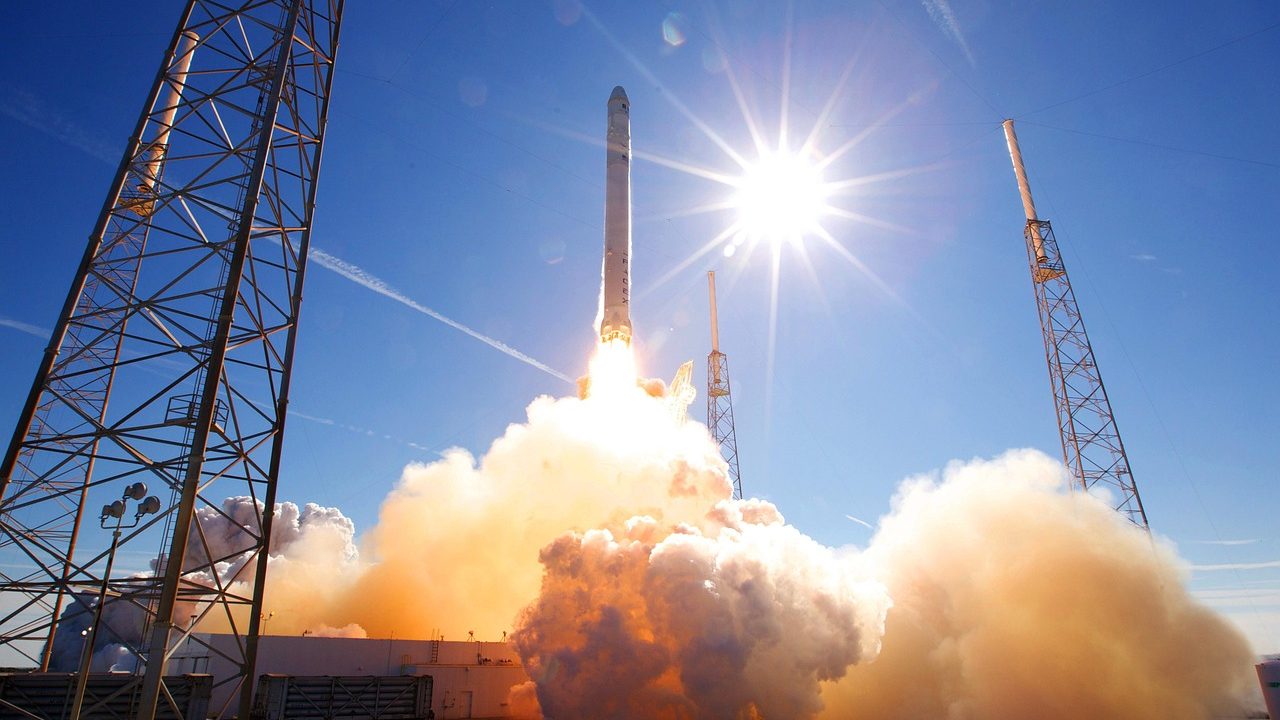
NASA announced a significant architectural change to its Artemis IV lunar mission: instead of the planned rendezvous in lunar orbit, SpaceX's Starship will now dock with the Orion capsule in Earth orbit before flying crews to the Moon. The shift, described as prioritizing operational simplicity, deepens NASA's reliance on SpaceX technology for America's return to the lunar surface — a dependency that adds strategic significance to SpaceX's newly completed IPO.
Chinese researchers separately flagged an engine vulnerability in NASA's moon lander, a disclosure that illustrated the increasingly complex interplay of competition and inadvertent cooperation in space technology. The public identification of a potential safety issue in American space systems by Chinese scientists simultaneously demonstrates technical capability and raises questions about the line between competitive intelligence and scientific transparency.
In medical science, a new blood test capable of screening nearly 23,000 fetal genes without invasive procedures was reported, representing a potential transformation in prenatal diagnostics. Traditional genetic screening methods such as amniocentesis and chorionic villus sampling carry small but real risks of pregnancy complications; a comprehensive non-invasive alternative could both democratize advanced prenatal care and reshape insurance coverage decisions — while also raising concerns about new forms of genetic discrimination despite existing legal protections.
The fusion energy market reached $73 billion in size according to the Financial Times, a milestone suggesting the technology is transitioning from purely research-based investment toward commercial viability within a timeframe that could disrupt traditional energy markets sooner than many investors currently expect. The DR Congo Ebola outbreak, meanwhile, reached 782 cases and expanded to two additional health zones, with the region's political instability and limited healthcare infrastructure complicating containment efforts and creating potential ripple effects for cobalt supply chains critical to clean energy manufacturing.