Democrats Fracture Over Spending as Republican Voter Registration Gains Reshape Midterm Map
How this was made Verified AI
Every Intellegix briefing is generated from that day's broadcast and run through automated checks before it publishes — with a human paged on any flag. Here is the trail for this edition.
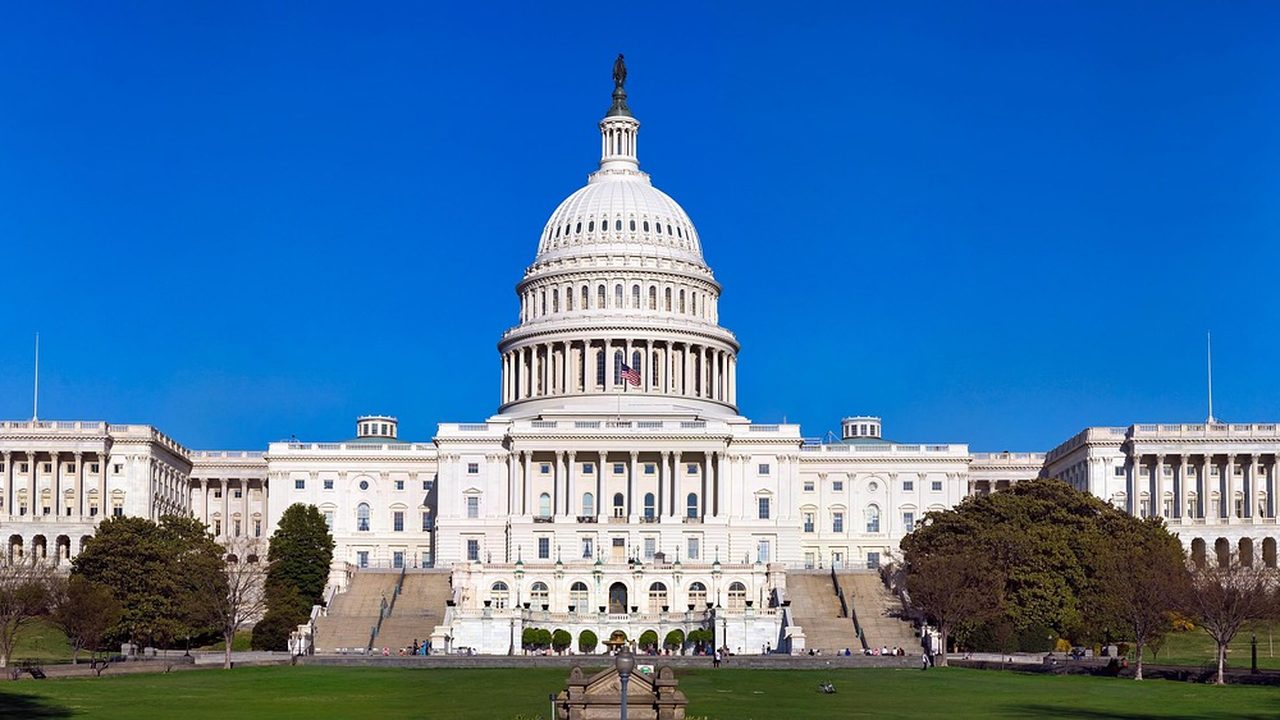
House Democrats are threatening to withhold dues from the Democratic Congressional Campaign Committee after the DCCC spent one hundred thirty-five thousand dollars backing a candidate who lost to progressive Randy Villegas in a California district Democrats consider a key battleground. The dispute signals deep dissatisfaction with party leadership's candidate-selection strategy and highlights an ideological gap between progressive primary voters and establishment operatives.
New polling shows sixty-three percent of Americans now disapprove of President Trump's economic performance, a record high on that measure. Yet the underlying electoral map is more complicated. The National Republican Congressional Committee reports that Democrats have lost two hundred seventy-five thousand registered voters in battleground House districts since 2024, erasing what was a seven-hundred-thirty-three-thousand-voter registration advantage and giving Republicans a narrow lead heading into the midterms.
Alexandria Ocasio-Cortez is navigating an uncomfortable position in Maine, calling allegations against Democratic Senate nominee Platner 'hard to stomach' while still framing the race as a choice between Platner and Republican incumbent Susan Collins. In Texas, Senator John Cornyn said he will not campaign for Republican Senate candidate Ken Paxton; a new poll shows Democrat James Talarico leading Paxton by three points. In South Carolina, Senator Lindsey Graham won the GOP primary without a runoff.
The Trump administration is shifting its approach to voter citizenship verification amid legal challenges. A Monday Department of Justice filing walked back plans to use the SAVE database, while the Department of Homeland Security still aims to provide states with citizenship data by June 30th. Florida Governor Ron DeSantis, separately, is arguing that voter-approved anti-gerrymandering rules are unconstitutional, setting up a direct confrontation between a ballot initiative that passed with broad public support and partisan electoral strategy.
Vice President Vance called the mayoral primary result that ousted incumbent Mayor Pratt 'pretty shady,' illustrating the continuing nationalization of local elections. The pattern across these stories points to eroding party discipline at both state and federal levels, with traditional coordination mechanisms under mounting strain.