Pakistan's Cross-Border Strikes Kill Children, Shatter Afghan Ceasefire
How this was made Verified AI
Every Intellegix briefing is generated from that day's broadcast and run through automated checks before it publishes — with a human paged on any flag. Here is the trail for this edition.
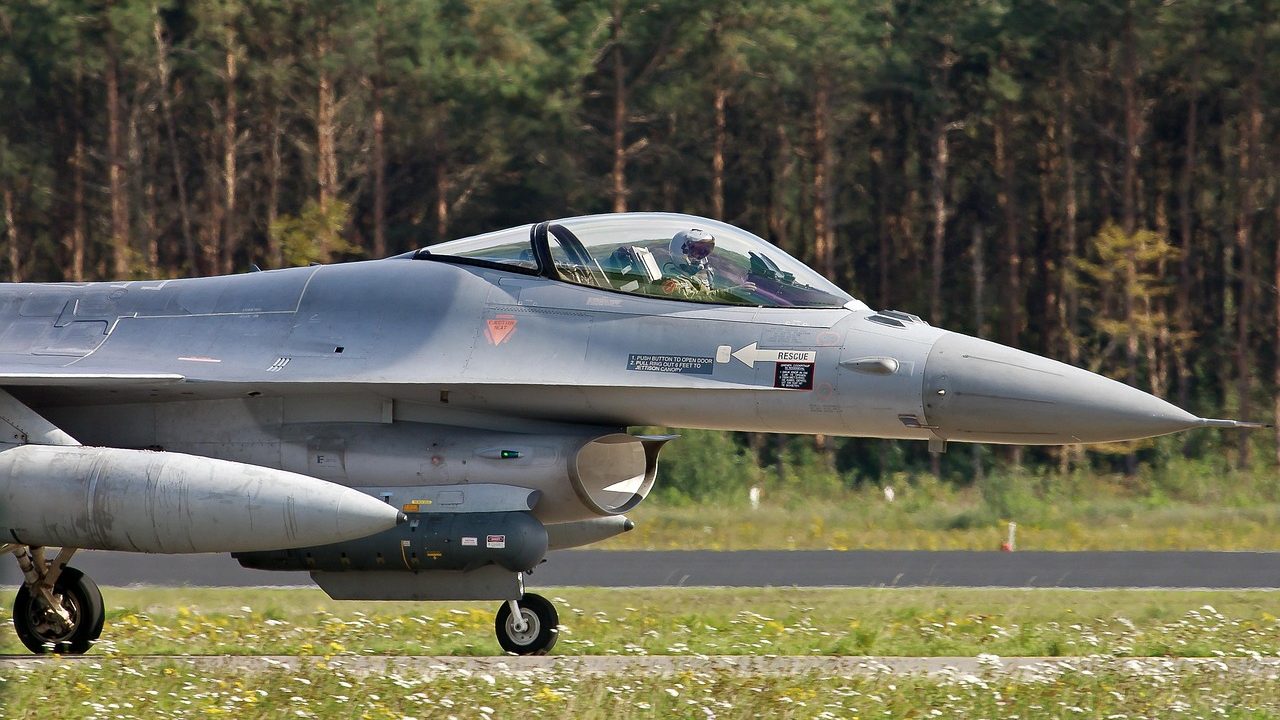
Pakistani airstrikes killed thirteen people across three Afghan provinces on Tuesday, with the Taliban reporting that eleven of the victims were children. The strikes shattered a fragile ceasefire that had held since March following months of open conflict between the two nations, representing a significant escalation that broke diplomatic agreements negotiated just three months ago.
Pakistan has repeatedly accused Afghanistan of harboring militants who launch attacks across the border; the Taliban consistently denies providing sanctuary to those groups. The Taliban's claim that children were deliberately targeted, if accurate, marks a new threshold in the military actions Pakistan is willing to undertake.
The collapse places the United States in a difficult position, caught between maintaining engagement with the Taliban government and supporting Pakistan as a key counterterrorism ally. The breakdown also comes as Iran's Revolutionary Guard Corps claimed responsibility for a drone strike on the U.S. Fifth Fleet in Bahrain, though details remain limited, and as Vice President Vance described an emerging Iran deal as a 'home run' while President Trump predicted 'total victory' over Iran within two weeks.
Adding to the complexity, retired U.S. generals told CBS News that Ukraine holds the upper hand over Russia, underscoring the breadth of simultaneous military flashpoints demanding coherent American policy. The ceasefire's collapse, analysts noted, suggests the underlying tensions between the two countries were temporarily suppressed rather than resolved, with economic pressures and internal political instability giving leaders on both sides incentives to project strength externally.
The breakdown carries broader symbolic weight: if negotiated ceasefires can be abandoned through strikes that kill civilians, critics warned, it undermines the conflict-resolution framework that international organizations have sought to build in post-withdrawal Afghanistan.