Eurozone Slides Into Contraction as AI Capital Glut Rattles Markets
How this was made Verified AI
Every Intellegix briefing is generated from that day's broadcast and run through automated checks before it publishes — with a human paged on any flag. Here is the trail for this edition.
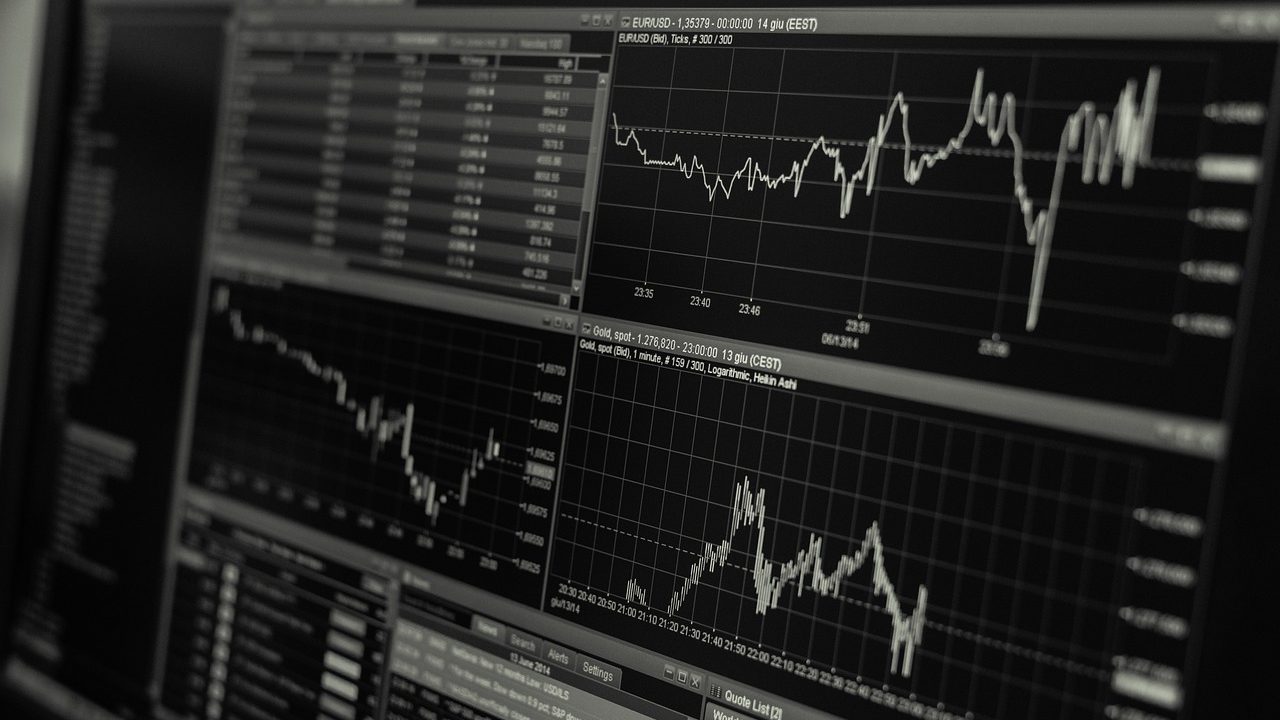
The Eurozone economy shrank 0.2% in the first quarter of 2026, according to final Eurostat figures — a complete reversal of the earlier flash estimate of 0.1% growth and the bloc's first quarterly contraction since mid-2022. The revision, unusually sharp in both magnitude and direction, suggests either data-collection shortfalls or economic conditions deteriorating faster than statistical agencies can track, with Germany, the bloc's largest economy, likely a primary driver of the weakness. Energy prices spiking amid Middle East tensions compounded the blow.
Bridgewater founder Ray Dalio told Bloomberg that wealth is being 'converted into money' as the AI market deflates, drawing explicit parallels to dot-com era patterns — a signal, historically, of deeper trouble ahead. Jim Cramer offered a more granular alarm, tallying nearly $500 billion in upcoming AI-related capital raises, including SpaceX, Anthropic, and OpenAI IPOs alongside Alphabet's $80 billion stock sale, and warning of a liquidity crunch in a market whose gains have been heavily concentrated in AI-related names.
The S&P 500 index committee's denial of fast-track entry to SpaceX — despite what Goldman CEO David Solomon described as a mandate built on '20 years of relationship building' — underscored those stability concerns. Fidelity's move to slash the minimum SpaceX IPO investment to just $2,000 signaled difficulty filling the enormous offering despite retail demand. Meanwhile, Michael Saylor attributed Bitcoin's roughly 10% decline since early June to '$400 billion in AI infrastructure spending' and '$4 billion in Bitcoin ETF outflows,' suggesting capital rotation of a scale large enough to destabilize other asset classes.
Broadcom CEO Hock Tan told investors that AI growth was so strong it eliminated the need for acquisitions — a posture that could prove costly if sentiment shifts. Adding a longer-run dimension to the economic picture, a Science journal study of nearly 600,000 U.S. workers found that remote work drove a third of post-pandemic isolation increases, significantly worsening mental health and boosting mental health service usage — a reminder that productivity assumptions about pandemic-era work changes may be masking significant hidden costs.