A UFC Octagon on the South Lawn and the Politicization of American Culture
How this was made Verified AI
Every Intellegix briefing is generated from that day's broadcast and run through automated checks before it publishes — with a human paged on any flag. Here is the trail for this edition.
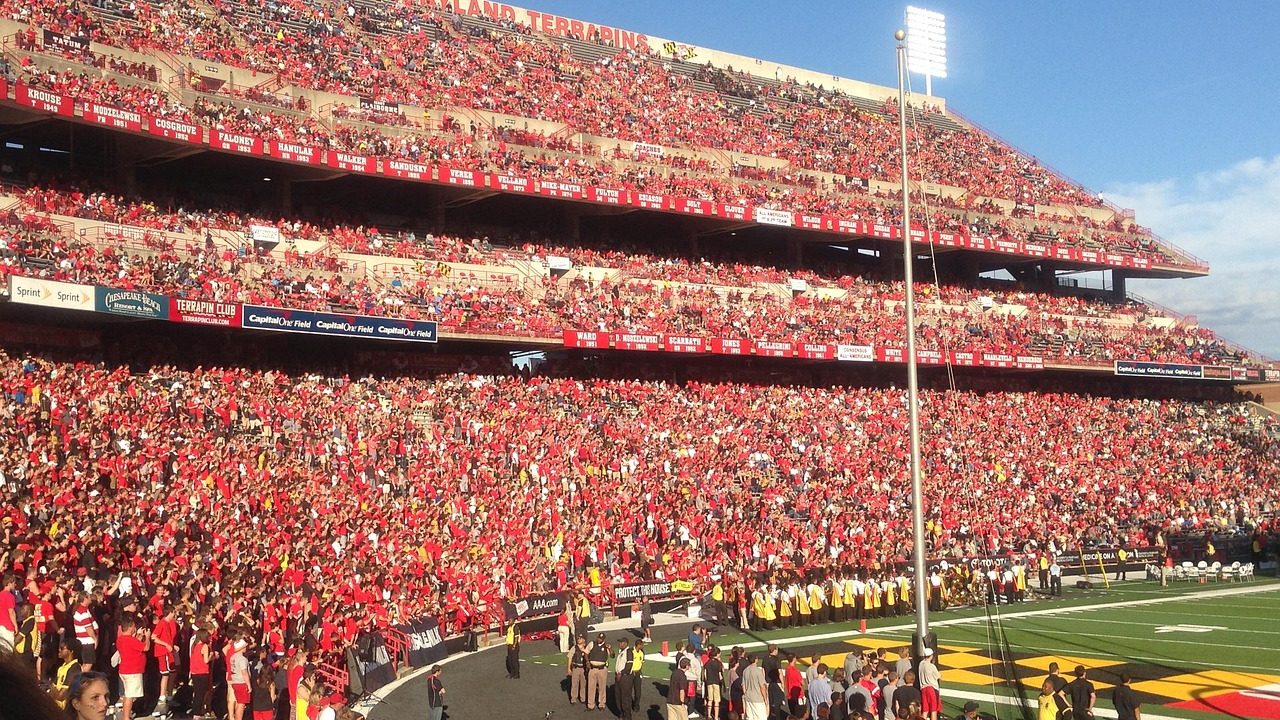
Nick Saban, widely regarded as college football's most successful coach, urged Congress to 'tap the brakes' on changes to college sports — an appeal from an industry insider suggesting that the pace of commercialization through name, image, and likeness rights, transfer portals, and direct athlete compensation has become unsustainable. His congressional testimony reflects concern about preserving competitive balance and the educational mission of collegiate athletics.
President Trump floated the idea of permanently installing a UFC octagon on the White House South Lawn following the June 14th UFC Freedom 250 event, reportedly comparing the structure to the Eiffel Tower. The proposal would be without precedent on White House grounds and reflects Trump's ongoing effort to connect the presidency to working-class sports entertainment audiences — a constituency with strong overlap with his political base.
Press freedom organizations issued warnings this week that CNN could face pressure similar to what has already affected '60 Minutes,' suggesting a pattern of systematic strain on mainstream media independence. The '60 Minutes' situation has been cited as a potential template for challenging investigative journalism programs at other outlets.
A detransitioner testified at a Senate hearing on youth gender care, contributing one personal perspective to ongoing policy debates about transgender healthcare for minors. Critics of such hearings have argued that politically charged settings tend to reduce complex medical decisions to partisan narratives rather than engage medical evidence on its merits.
Across sports, entertainment, and cultural policy, personal testimony and individual narrative have become increasingly central to public debate — a shift that, as observers noted, carries both democratic legitimacy and the risk of making collective policy decisions on the basis of evidence too limited to address the complexity of issues affecting millions of people.