NVIDIA's $5.7 Trillion Ecosystem and the Question No One Can Quite Answer
How this was made Verified AI
Every Intellegix briefing is generated from that day's broadcast and run through automated checks before it publishes — with a human paged on any flag. Here is the trail for this edition.
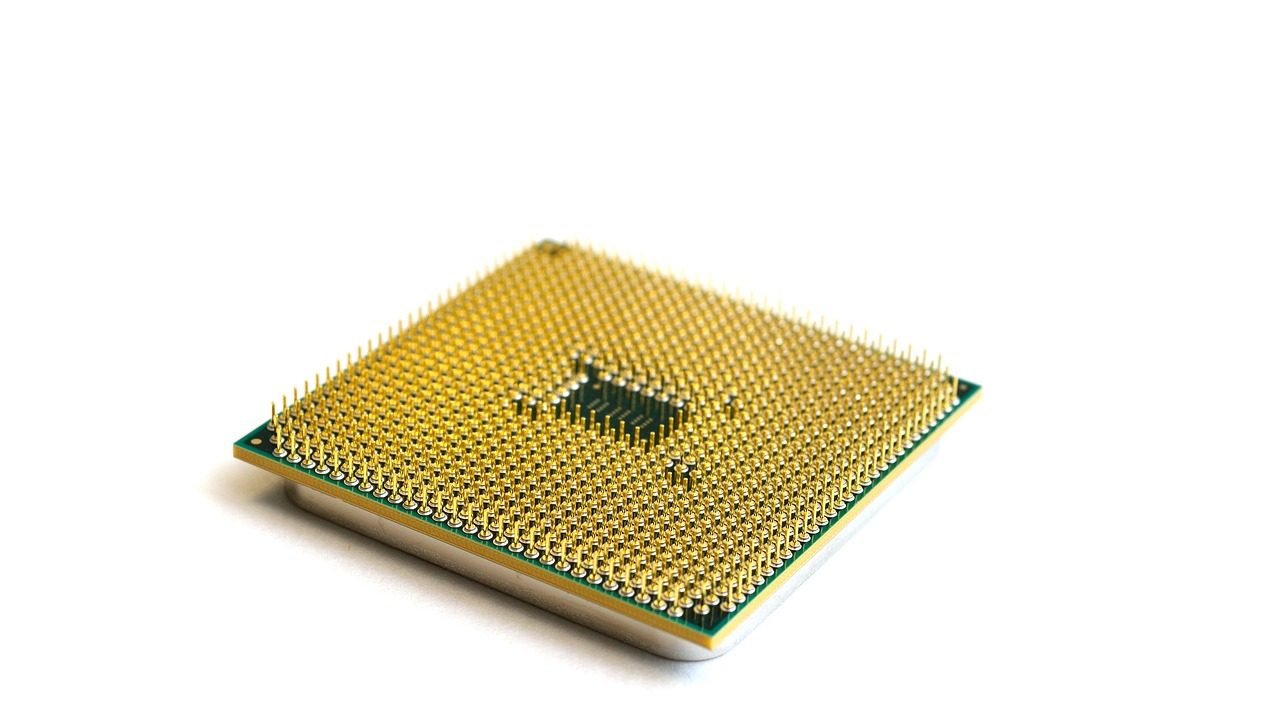
The SOX semiconductor index has surged roughly 80 percent in 2026, lifting the combined market value of component companies to approximately 5.7 trillion dollars — a figure that exceeds the GDP of most G20 nations and reflects a market bet on artificial intelligence as a transformational economic force.
At Computex 2026 in Taipei, NVIDIA chief executive Jensen Huang called fears of AI-driven job displacement 'complete nonsense,' citing rising GitHub activity as evidence that AI is creating rather than destroying coding opportunities. The argument, however, contains an acknowledged ambiguity: surging code repositories could reflect increased human programming or simply more AI-generated code being versioned and stored. Apollo Global's chief economist released a study finding 'zero evidence' of AI-driven job losses in current employment data, though economists cautioned that labor market disruptions from technology typically appear with significant delays.
The announcement that Taiwan Semiconductor Manufacturing Company is deploying NVIDIA accelerated computing across its chip manufacturing process — improving lithography, defect detection and fabrication operations — highlighted a compounding dynamic: AI improving the manufacturing of chips that enable better AI.
Bank of America strategists issued a more cautionary note, warning that AI-fueled profit forecasts have 'decoupled from fundamentals.' Their analysis pointed to record global margin expectations clashing with purchasing managers' indices at two-year lows — a divergence that, they argued, suggests either genuinely revolutionary productivity gains or speculative excess. Qualcomm's stock declined even after the company announced a new AI data center brand at Computex, underscoring how completely NVIDIA dominates investor attention in the sector.
NVIDIA also unveiled an open humanoid robot platform at the conference that the company said could reshape manufacturing automation. The emergence of what Silicon Valley is calling 'robot puppeteers' — workers who train humanoid robots on everyday physical tasks — has created a new employment category even as the ultimate objective of the technology is to reduce human labor. Separately, hackers were reported to have used Meta's AI chatbot to hijack Instagram accounts, illustrating how expanding AI capabilities simultaneously expand attack surfaces for malicious actors. The United States also moved to close a loophole that had allowed China to obtain AI chips through third-country intermediaries.