Drones Over NATO, Robots on the Frontline and the Normalization of Gray-Zone War
How this was made Verified AI
Every Intellegix briefing is generated from that day's broadcast and run through automated checks before it publishes — with a human paged on any flag. Here is the trail for this edition.
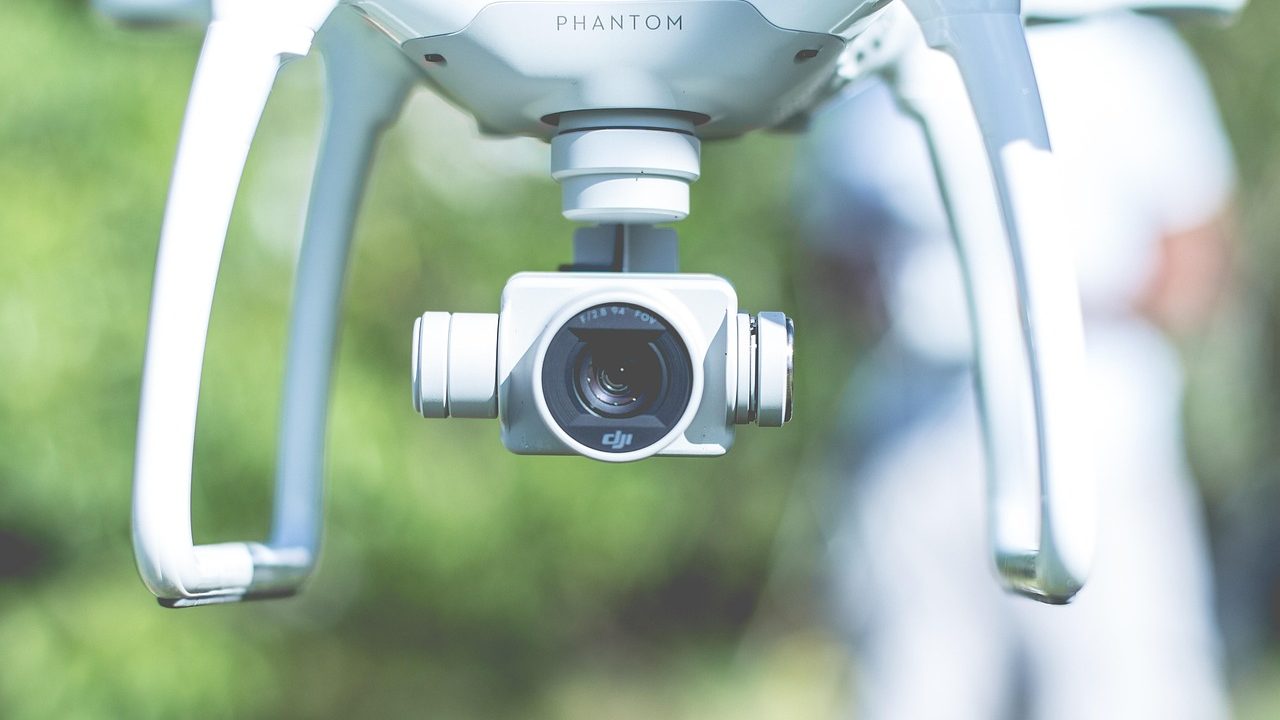
Romania confirmed Monday that a Russian-made drone had struck a building in Galați, roughly 150 kilometers from the Ukrainian border. Officials said they would share findings with NATO — a measured response to what, in an earlier era, might have been characterized as an act of war against a treaty ally.
That measured tone itself reflects a broader normalization of military activity that would once have been extraordinary. Russia launched hundreds of drones in weekend attacks on Ukraine while Ukrainian President Volodymyr Zelensky renewed calls for additional air defense systems. Ukraine separately announced that its domestically produced drones can now reach 3,500 kilometers into Russian territory, placing Moscow itself within range. The capability was reported largely as a technological achievement.
Ukraine also disclosed that ground robots are now replacing thousands of troops in frontline combat — systems making targeting and movement decisions without direct human oversight, representing a crossing of thresholds in autonomous warfare that had seemed theoretical only months ago.
NATO members responded with significant capability increases of their own. Denmark announced plans to mobilize 180,000 troops — approximately 3 percent of its total population — in what officials described not as peacetime rotation but as wartime mobilization planning. Germany's defense chief called for European clarity on the United States' security role, reflecting concern that American attention could shift as Middle East tensions escalate.
In the Pacific, China deployed coast guard vessels east of Taiwan following a Japan-Philippines defense cooperation announcement — its most aggressive positioning in that area since a spring crisis. France separately seized a sanctioned Russian tanker in the Atlantic. Military strategists describe the cumulative pattern as 'gray zone warfare': operations conducted below the threshold of declared conflict but well above normal peacetime activity, creating conditions that markets struggle to price and diplomats struggle to manage.