Europe Moves to Crack Down on China While Regulators Scramble to Keep Pace With AI
How this was made Verified AI
Every Intellegix briefing is generated from that day's broadcast and run through automated checks before it publishes — with a human paged on any flag. Here is the trail for this edition.
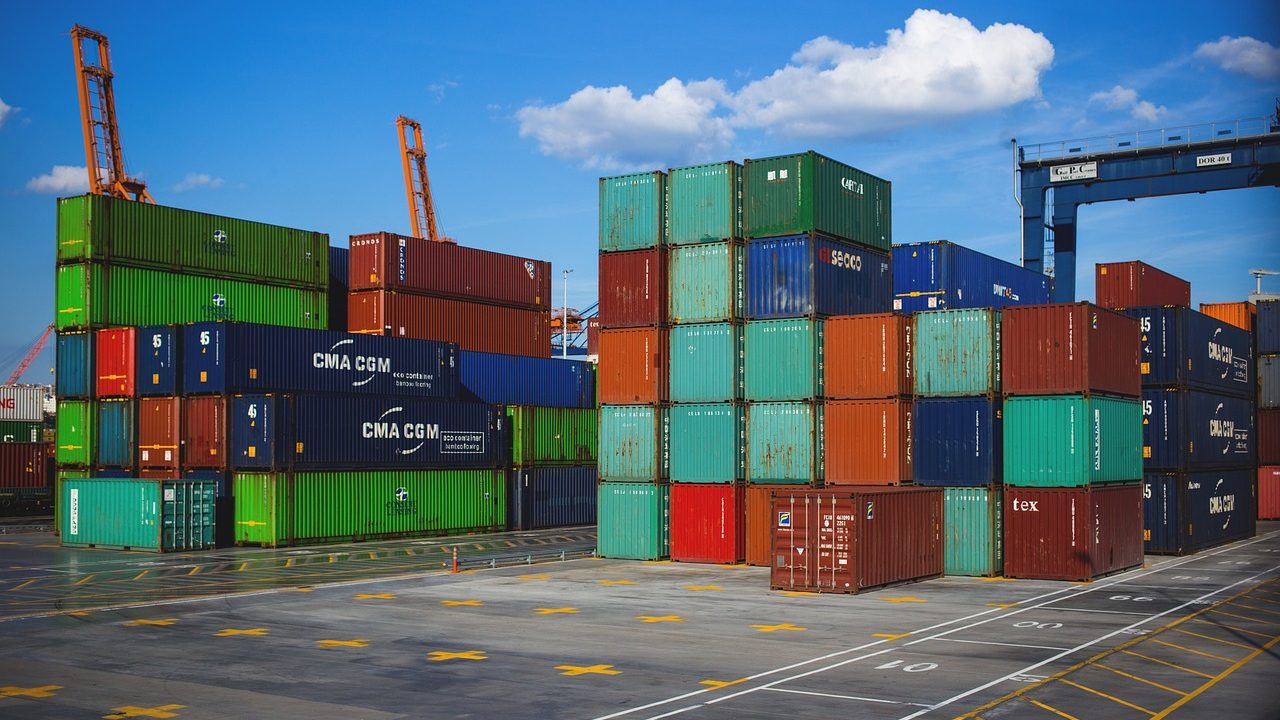
Five European Union nations are pushing for comprehensive trade crackdowns on China, citing systemic concerns about state subsidies, technology transfer requirements, and market access reciprocity that standard multilateral dispute mechanisms have proved inadequate to address. The push represents a hardening of positions that could fundamentally reshape commercial relationships between the EU and Beijing.
The initiative puts multinational technology companies in an awkward position. Nvidia CEO Jensen Huang has acknowledged that the company's 200-billion-dollar CPU market forecast includes China, illustrating how deeply integrated global technology markets have become even as governments drive toward economic decoupling. The competitive tension is compounded by the fact that Chinese firms receiving state support can undercut private competitors operating under market-based constraints — a dynamic that critics argue falls outside the scope of traditional antitrust remedies.
The European Central Bank's intervention on AI cybersecurity — summoning major financial institutions over vulnerabilities that could threaten systemic stability — reflects a parallel evolution in regulatory thinking. Central banks have traditionally focused their oversight on capital adequacy, liquidity, and market conduct; AI-driven threats to the financial system operate through different mechanisms entirely and require new tools. The ECB's action may signal the beginning of much more aggressive oversight of AI deployment across critical infrastructure sectors.
Pope Leo XIV's call in his first encyclical to 'disarm' AI adds a moral dimension to debates that have largely been framed in economic and security terms. When the Vatican issues formal positions on technology policy, it influences both individual behavior and government regulation in ways that transcend commercial or competitive considerations. The convergence of trade restrictions, financial regulation, and ethical objections suggests that technology policy is becoming inseparable from broader questions about economic systems and social values — making traditional trade negotiation considerably more complicated than in previous eras.