Ukraine's Drone Campaign and a Widening Web of Regional Conflicts
How this was made Verified AI
Every Intellegix briefing is generated from that day's broadcast and run through automated checks before it publishes — with a human paged on any flag. Here is the trail for this edition.
Bloomberg is reporting growing confidence among Ukrainian officials and Western allies that Russia's offensive capability may be genuinely degrading, with Putin himself reportedly seeking to end the war by year's end — a significant shift from what had appeared to be an open-ended commitment to territorial conquest. On the ground, Ukraine's Spartan brigade has been systematically destroying Russian transport vehicles near Donetsk in what analysts describe as an increasingly effective supply-line interdiction campaign, while the Black Sky battalion's drone operations are raising the cost of maintaining Russian forward positions.
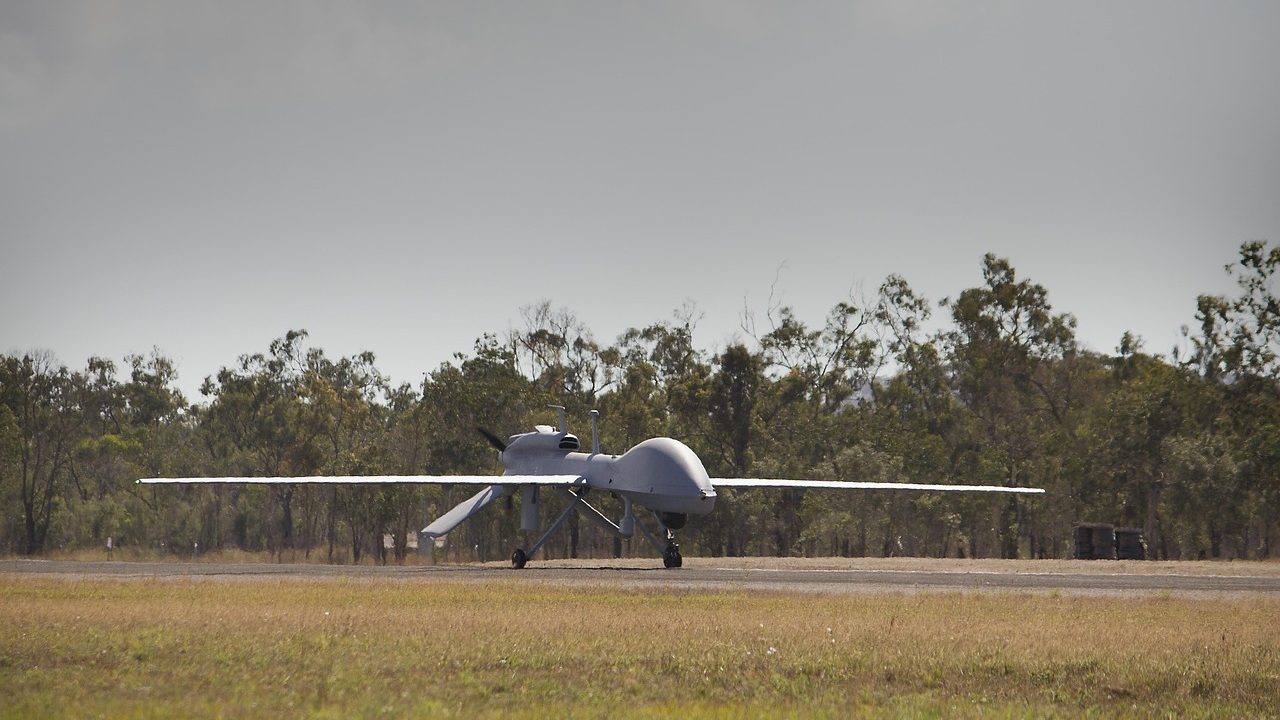
Ukrainian drone capabilities have extended deep into Russian territory. A strike on Yaroslavl forced highway closures toward Moscow, demonstrating reach and precision that would have been unimaginable early in the conflict. Ukraine subsequently demanded a UN Security Council meeting following a massive Russian strike on Kyiv, though the Council remains paralyzed by Russian vetoes, pushing practical problem-solving toward bilateral and regional channels.
The broader international security picture is equally complex. The Shangri-La Dialogue convened this week in Singapore against the backdrop of both the Iran crisis and ongoing Taiwan tensions, with Ukraine's drone warfare lessons drawing intensive study from defense establishments across the Indo-Pacific. China's explicit backing of Pakistan's Iran mediation signals a desire for regional stability, even as five EU nations are pushing for comprehensive trade crackdowns on Beijing — a tension that places China in the awkward position of pursuing diplomatic solutions abroad while managing escalating economic confrontation with Europe at home.
Secretary of State Rubio's planned visit to Armenia to advance a US-brokered peace deal illustrates how American diplomacy is attempting to manage several regional conflicts simultaneously, with the Armenia-Azerbaijan dispute directly connected to questions about Russian influence in the Caucasus. Reporting from The Guardian on growing elite frustration with Putin over both the war's trajectory and deteriorating economic conditions provides context for the diplomatic openings now emerging: when domestic support among key constituencies erodes, incentives for face-saving exits from costly conflicts tend to increase.