Hidden Unemployment, European Grid Friction, and Why AI Displacement May Already Be Happening
How this was made Verified AI
Every Intellegix briefing is generated from that day's broadcast and run through automated checks before it publishes — with a human paged on any flag. Here is the trail for this edition.
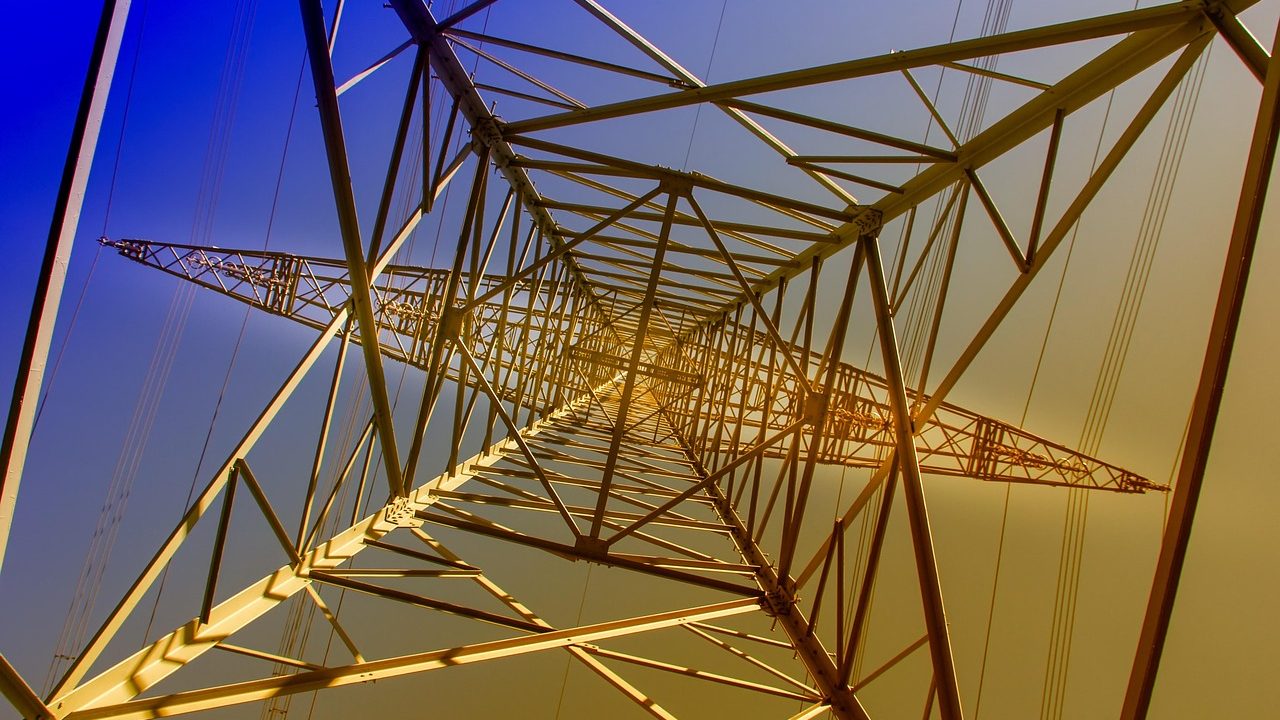
Sweden has paused a proposed power interconnector cable to Denmark, citing EU grid rules around capacity allocation and cross-border power flow balancing. The dispute introduces friction into Nordic energy integration that has generally been among the smoother examples of cross-border grid cooperation in Europe. Denmark's high wind penetration and Sweden's significant hydro and nuclear capacity make the two countries naturally complementary, and a delayed or blocked cable affects both countries' ability to manage their grids efficiently while carrying downstream implications for electricity prices. Sweden's position reportedly centers on the cable's terms being unworkable under current EU market rules — framing this as a regulatory design problem as much as a bilateral political one.
LISEP's 'True Rate of Unemployment' story scored 249 with 218 comments, drawing substantive engagement from HN's economists and data scientists. The Bureau of Labor Statistics' official unemployment figures use definitional choices — counting only those who want full-time work, are available, and have actively searched within the past four weeks — that systematically undercount structural displacement. Workers who have left the labor force, shifted to gig work, or are underemployed relative to their skills do not appear as 'unemployed' under that definition.
That measurement gap anchors a consequential 'what if we're wrong?' question circulating with increasing confidence in tech discourse: that AI tools are not yet causing meaningful labor displacement in white-collar work, and that productivity gains are being absorbed as increased output rather than headcount reduction. The argument holds that if AI were genuinely displacing knowledge workers, it would show up in unemployment data — and it does not. But the LISEP discussion reveals exactly why that inference may be flawed: AI-driven displacement could already be registering as labor force dropout, gig work migration, and wage pressure rather than headline unemployment figures, just as manufacturing automation in the 1980s and 1990s produced pain that the headline rate failed to capture cleanly.
The strongest counterargument is that current AI tools primarily augment rather than replace — a junior programmer using a frontier model produces more output but is not replaced; a legal researcher processes more documents but the firm competes for more clients rather than reducing headcount. That story may be correct. But falsifiable signals exist: divergence between labor force participation rates for high-education cohorts and their historical trends, particularly in information work occupations; deceleration in wage growth for previously AI-adjacent roles like coding, writing, and paralegal work; and headcount reductions in specific job categories at major AI-deploying enterprises that correlate with deployment timelines. None of those patterns has appeared clearly yet — but absence of evidence in a flawed measurement system is not evidence of absence.
A Wired piece on insurance claims adjusters who actively resist AI tools in their workflow scored 25 with only 2 comments, understating the substantive point it raises. The adjusters' objections are not generalized technophobia but domain expertise: straightforward claims may be handled adequately by current tools, but contested claims requiring contextual human judgment are precisely the situations where AI fails in ways that create legal and ethical liability. Workers most hostile to AI adoption in their field are often those with the most accurate mental models of the failure modes the tools produce — a pattern worth tracking across industries.