The Hidden Dollar Building America's Surveillance Grid
How this was made Verified AI
Every Intellegix briefing is generated from that day's broadcast and run through automated checks before it publishes — with a human paged on any flag. Here is the trail for this edition.
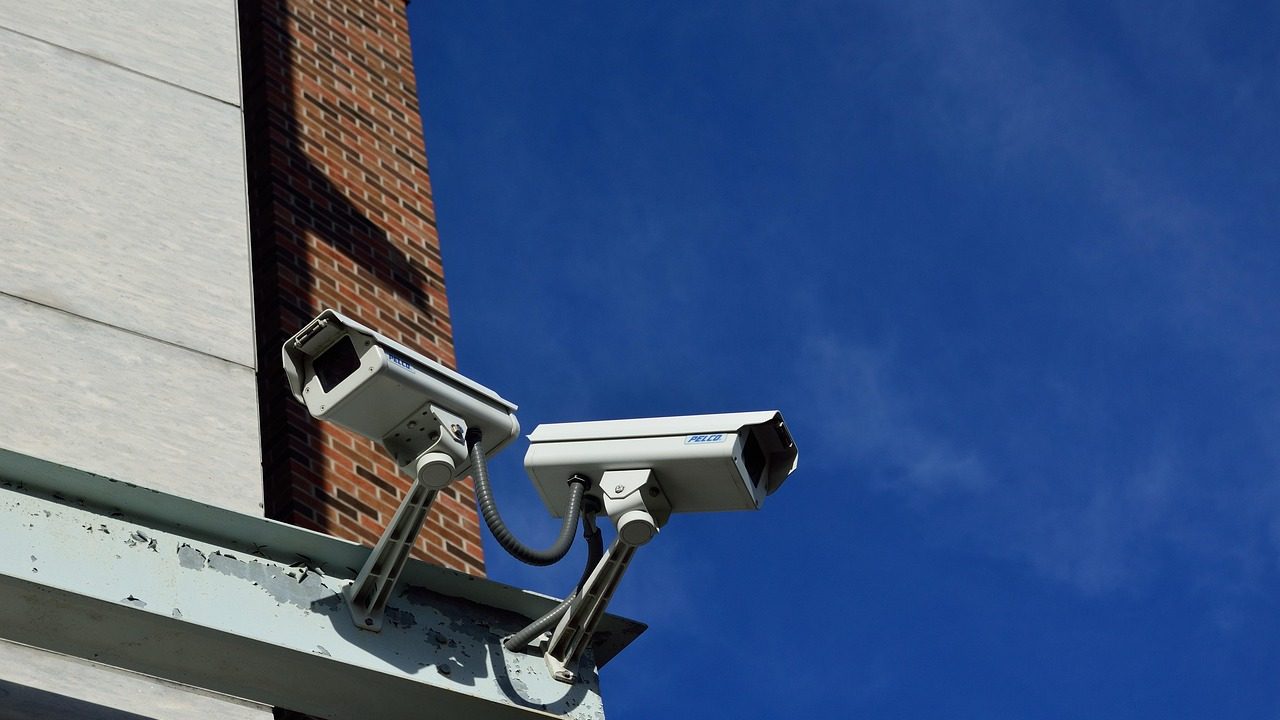
Texas drivers have been paying a one-dollar surcharge on every car insurance policy — not to fix roads or fund emergency services, but to quietly expand one of the largest automated license-plate surveillance networks in the country. The Texas Tribune reported that the Motor Vehicle Crime Prevention Authority, known as the MVCPA, has been distributing grants to law enforcement agencies funded by that surcharge, which was originally established to fight vehicle theft. Increasingly, those grants have financed Flock Safety cameras — automated license-plate readers that build a real-time database of vehicle movements across the state.
Flock Safety has become the dominant player in the automated license-plate reader market in the United States, with cameras deployed across hundreds of municipalities. What makes the Texas situation particularly striking is the funding mechanism: no single line item in a police budget that voters could scrutinize, but a dollar on an insurance surcharge routed through a prevention authority and distributed as local grants. Each individual decision is defensible in isolation; aggregated, they amount to a statewide surveillance network funded by mandatory insurance fees.
Legal scholars on Hacker News noted that Fourth Amendment doctrine on vehicle location data has been in flux since the Supreme Court's 2018 Carpenter v. United States decision, which ruled that prolonged cellphone location tracking requires a warrant. Automated license-plate readers occupy a legal gray zone — they capture data in public spaces, which traditionally falls outside Fourth Amendment protection, yet the aggregation of that data over time creates something qualitatively different from a single officer spotting a car on the street. The economic structure reinforces the opacity: the one-dollar fee is small enough that no individual policyholder has meaningful incentive to challenge it, a classic collective action problem in which the benefits of surveillance expansion are concentrated among agencies and vendors while the costs are diffused across millions of drivers.
Across the Atlantic, the United Kingdom is confronting a parallel reckoning. Polling reported by The Register showed that a substantial majority of British citizens want their private messages to remain private — an unremarkable preference until set against the government's push for provisions in the Online Safety Act that critics call a back-door requirement. The proposal would compel messaging platforms to scan encrypted messages for illegal content, particularly child sexual abuse material. Cryptographers have long argued that the demand is technically incoherent: end-to-end encryption works precisely because the service provider cannot read messages, and any mechanism enabling content scanning breaks that guarantee by definition. Signal, WhatsApp, and others have threatened to exit the UK market rather than comply, and Apple reportedly delayed its Advanced Data Protection feature in the UK over the same conflict.
What the polling reveals, commenters noted, is that opposition cuts across political lines — people who disagree on nearly everything else agree that their family WhatsApp messages should not be readable by the government. The government's framing centers on child protection, placing privacy advocates in a difficult rhetorical position. But the technical reality is that any scanning mechanism would surveil all communications, not only those of criminals. Both the Texas and UK stories, analysts on Hacker News observed, share a structural feature: the most effective expansions of surveillance infrastructure are those that never require the public to make a clear, direct choice about whether it wants to be surveilled.